The True Cost of Dog Training: Budgeting for Success
Discover the true cost of dog training. We break down prices for group classes, private sessions, board-and-train, and essential gear to help you budget.

Introduction to Dog Training Costs
Bringing a new dog or puppy into your home is an exciting milestone, but it also comes with a significant responsibility: training. Many new pet parents are caught off guard by the financial investment required to raise a well-behaved, socialized, and obedient companion. Whether you are dealing with basic puppy manners, leash reactivity, or advanced off-leash reliability, understanding the cost breakdown of dog training is essential for long-term planning. Skimping on training can lead to costly behavioral issues down the road, including property destruction, vet bills from dog fights, or even the heartbreaking decision to rehome the dog. In this comprehensive guide, we will break down the exact costs of professional dog training, the hidden expenses of DIY methods, and the essential gear you need to budget for. By understanding these numbers, you can create a realistic financial plan that sets both you and your canine companion up for a lifetime of success.
Breakdown of Professional Dog Training Costs
When evaluating professional help, it is important to recognize that the dog training industry is largely unregulated. This means prices can vary wildly based on a trainer's experience, methodology, and geographic location. According to the Association of Professional Dog Trainers (APDT), verifying a trainer's credentials—such as a CPDT-KA (Certified Professional Dog Trainer) certification—is just as important as evaluating their pricing structure. Here is a detailed breakdown of the three main avenues for professional dog training.
Group Obedience Classes
Group classes are the most budget-friendly entry point into professional training. These sessions typically focus on foundational obedience commands like sit, stay, down, recall, and loose-leash walking. They also provide a controlled environment for vital canine socialization. Group classes usually run in cohorts lasting six to eight weeks, with one one-hour session per week. The cost generally ranges from $30 to $80 per class, meaning a full six-week course will cost between $180 and $480. While highly effective for basic manners and puppies, group classes may not be suitable for dogs with severe leash reactivity or human-directed aggression, as the environment can be overly stimulating.
Private In-Home Sessions
For dogs that require personalized attention, or for owners dealing with specific behavioral issues like resource guarding, separation anxiety, or door-dashing, private in-home sessions are the gold standard. A certified behavior consultant or private trainer comes directly to your home, allowing them to assess the dog's behavior in the exact environment where the issues occur. Private sessions typically last 60 to 90 minutes and cost anywhere from $90 to $175 per hour, depending on the trainer's expertise and your local cost of living. Most trainers require an initial comprehensive consultation, which can cost upwards of $250, followed by a package of four to six follow-up sessions. While the upfront cost is higher, the tailored behavior modification plan often yields faster results for complex issues.
Board-and-Train Programs
Often referred to as 'boot camp' for dogs, board-and-train programs involve your dog living with a professional trainer for an extended period, typically two to four weeks. During this time, the dog undergoes intensive daily training, environmental socialization, and behavioral conditioning. This is the most expensive option, with prices ranging from $1,500 to $3,500 per week. A standard three-week program can easily exceed $6,000. While board-and-train programs are excellent for busy owners or dogs needing severe behavioral rehabilitation, it is crucial to remember that the owner must also undergo 'handover' training sessions. If the owner does not learn how to maintain the rules and boundaries established by the trainer, the dog will quickly revert to its old habits upon returning home.
The Hidden Costs of DIY Training
Many owners assume that training a dog at home using free YouTube videos and library books is entirely cost-free. While you do save on hourly trainer fees, DIY training carries its own hidden costs. The most significant expense is the sheer volume of high-value training treats required to maintain a dog's motivation. A single training session might require a half-cup of treats. Over a six-month training period, the cost of premium rewards—such as freeze-dried beef liver ($15 per bag), boiled chicken breast, or commercial training treats like Zuke's Mini Naturals—can easily add up to $150 to $300. Additionally, DIY training requires a massive investment of your time. If you inadvertently reinforce bad behaviors or fail to properly socialize your dog during critical developmental windows, you may end up paying thousands of dollars later to hire a veterinary behaviorist to fix the resulting psychological issues. The ASPCA's dog training resources emphasize that positive reinforcement and proper early socialization are critical, and mistakes in DIY methodology can have long-lasting behavioral consequences.
Essential Training Gear and Equipment Costs
Regardless of whether you hire a professional or take the DIY route, you must invest in the proper equipment. Using the wrong gear, such as a retractable leash for loose-leash training, can actively hinder your progress and even cause physical injury to your dog's trachea. Below is a structured cost breakdown of the essential gear required for a comprehensive training program.
| Equipment | Estimated Cost | Primary Purpose |
|---|---|---|
| Standard 6-Foot Leather/Nylon Leash | $15 - $30 | Provides safe, predictable control without the variable tension of retractable leashes. |
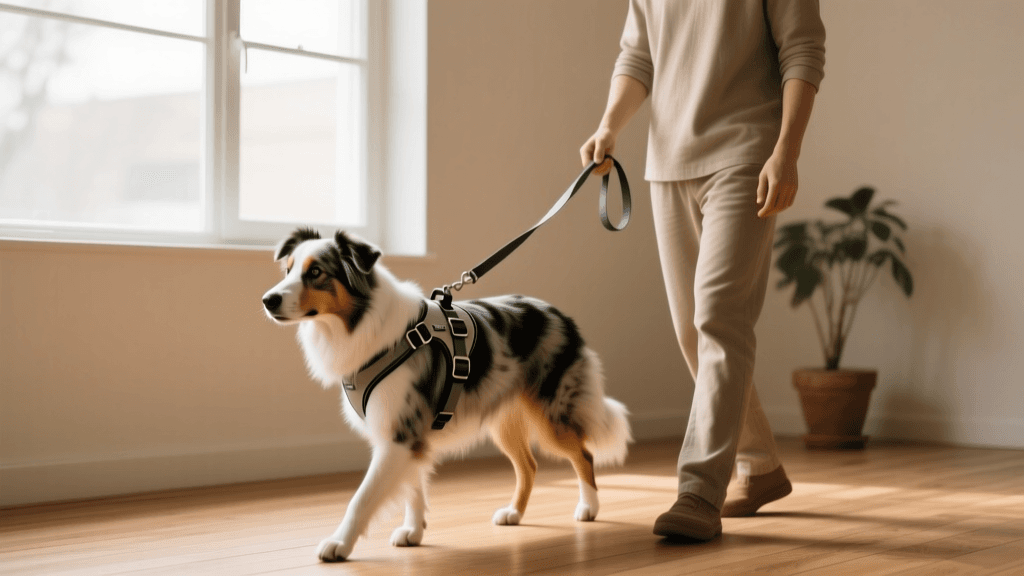
| Front-Clip No-Pull Harness (e.g., Ruffwear) | $30 - $50 | Discourages pulling by gently redirecting the dog's momentum sideways. |
| Treat Pouch with Magnetic Closure | $15 - $25 | Allows for rapid, hands-free access to rewards to mark behaviors within milliseconds. |
| Clicker or Marker Word Whistle | $2 - $10 | Provides a consistent, distinct auditory marker to tell the dog exactly when they earned a reward. |
| Biothane Long Line (15-30 ft) | $25 - $45 | Essential for proofing recall commands in open areas while maintaining a safety tether. |
| Wire or Plastic Crate (Sized Appropriately) | $50 - $120 | Crucial for potty training, preventing destructive chewing, and providing a safe den. |
| Food-Dispensing Puzzle Toys (e.g., Kong Classic) | $15 - $25 | Used for mental enrichment, crate training conditioning, and reducing separation anxiety. |
Factors That Influence Training Prices
When you start gathering quotes from local trainers, you will notice significant price discrepancies. Several key factors dictate these rates. First, geography plays a massive role; trainers in major metropolitan areas like New York City or San Francisco will charge 30% to 50% more than trainers in rural or midwestern regions due to higher overhead and living costs. Second, the trainer's educational background and certifications heavily influence their rates. A trainer who has graduated from a rigorous program like the Karen Pryor Academy (KPA) or holds a certification from the International Association of Animal Behavior Consultants (IAABC) will command premium prices compared to a hobbyist trainer. Finally, the severity of the behavioral issue impacts the cost. Teaching a puppy to 'sit' is vastly different from modifying severe human-directed aggression. The latter requires advanced knowledge of canine body language, desensitization protocols, and liability management, which justifies a higher hourly rate. Furthermore, the American Veterinary Society of Animal Behavior (AVSAB) strongly advocates for reward-based training methods and warns against aversive techniques, meaning you should prioritize trainers who adhere to these scientific, humane standards, even if their services come at a premium.
The Long-Term ROI of Proper Training
It is easy to look at a $2,000 training package and experience sticker shock. However, dog training should be viewed as a long-term financial investment rather than a sunk cost. Consider the alternative expenses associated with an untrained dog. A dog with severe separation anxiety might destroy a couch, chew through drywall, or ingest foreign objects that require emergency veterinary surgery—a single emergency vet visit for intestinal blockage can cost between $3,000 and $7,000. A dog with poor recall might run into traffic, resulting in catastrophic medical bills or the loss of your pet. Furthermore, a dog that exhibits aggression or extreme reactivity may be dropped by your homeowner's insurance policy or force you to move out of a rented property, incurring massive relocation costs. When you weigh the upfront cost of professional training against the potential thousands of dollars in property damage, veterinary emergencies, and lifestyle disruptions, the return on investment becomes undeniably clear.
How to Plan Your Dog Training Budget
To ensure you are financially prepared for your dog's educational needs, follow these actionable budgeting steps. First, establish a 'Training and Enrichment' category in your monthly pet care budget, allocating at least $50 to $100 per month. This fund will cover ongoing group classes, puzzle toys, and high-value treats. Second, if you are adopting a puppy, front-load your budget for the first six months. This is the critical socialization window, and investing heavily in puppy kindergarten and early socialization classes will prevent costly behavioral interventions later in life. Third, ask trainers about package deals or payment plans. Many reputable training facilities offer a 10% discount if you purchase a six-session package upfront rather than paying per individual lesson. Finally, check if your pet insurance provider offers a wellness add-on. While standard pet insurance does not cover behavioral training, some comprehensive wellness plans offer annual allowances that can be applied toward puppy classes or basic obedience courses, helping to offset your out-of-pocket expenses.
Conclusion
Proper dog training is not a luxury; it is a fundamental requirement for responsible pet ownership and the key to a harmonious human-canine relationship. By understanding the cost breakdown of group classes, private sessions, board-and-train programs, and essential gear, you can approach your dog's behavioral development with a clear, realistic financial plan. Remember that the cheapest option is rarely the most effective when it comes to behavior modification. Prioritize certified, science-based professionals, invest in high-quality training equipment, and commit to the ongoing process of reinforcement. Ultimately, the money you invest in your dog's training will be returned tenfold in the form of a safe, well-adjusted, and joyful companion for years to come.
beth-carrasco
All our authors care for dogs every day — read more of their work on the authors page.