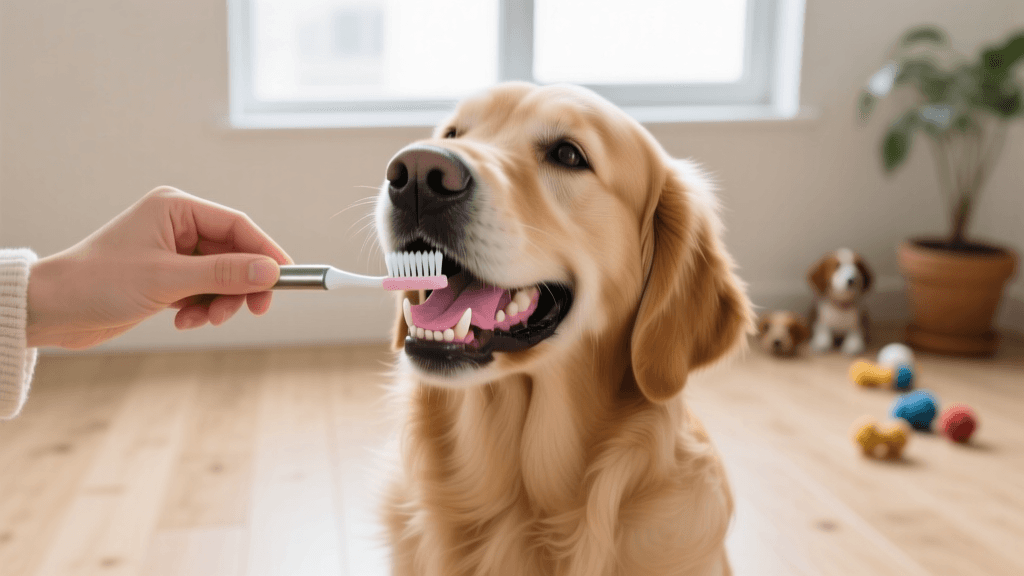
Step-by-Step Guide to Training Your Dog for Teeth Brushing
Learn how to train your dog to accept teeth brushing with our step-by-step guide. Improve canine dental health and prevent periodontal disease today.
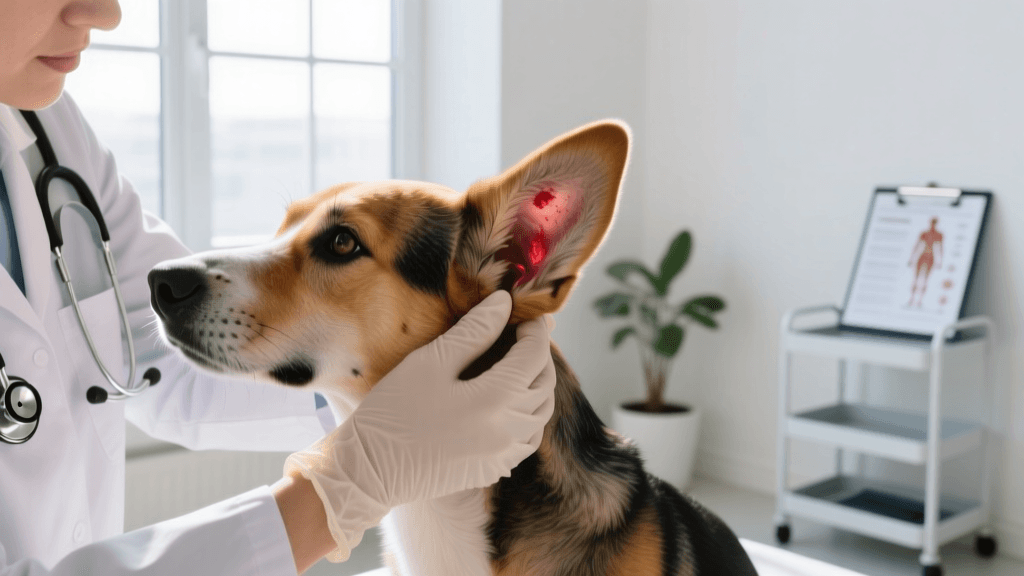
The Hidden Epidemic: Canine Periodontal Disease
Dental health is a critical, yet frequently overlooked, component of your dog's overall wellbeing. While we often focus on diet, exercise, and joint health, the condition of a dog's mouth can dictate their systemic health and longevity. According to the American Veterinary Medical Association (AVMA), over 80% of dogs show signs of periodontal disease by the time they reach three years of age. Left untreated, the bacteria from infected gums can enter the bloodstream, potentially causing severe damage to the heart, liver, and kidneys.
Despite these staggering statistics, many dog owners avoid brushing their dog's teeth because the process feels like a battle. Pinning down a struggling dog is not only dangerous but also detrimental to the bond you share. The solution lies in cooperative care training—a step-by-step behavioral approach that teaches your dog to willingly participate in their own dental hygiene routine.
Why Cooperative Care Training is Essential
Cooperative care is a veterinary and behavioral standard that prioritizes the animal's emotional state. Instead of using physical restraint, we use desensitization and counterconditioning to change the dog's emotional response to the toothbrush. By breaking the process down into micro-steps, we ensure the dog remains under their stress threshold. This not only makes daily brushing a breeze but also translates to better behavior during veterinary exams and grooming sessions.
Cooperative care is not about forcing your dog to submit; it is about empowering them to participate in their own healthcare routine willingly and without fear.
Essential Supplies for Success
Before beginning your training journey, gather the right tools. Using human toothpaste is strictly prohibited, as ingredients like xylitol and fluoride are highly toxic to dogs. Expect to spend around $20 to $35 on initial supplies.
- Enzymatic Dog Toothpaste: Products like Virbac C.E.T. Poultry or Beef Flavor contain enzymes that continue to break down plaque even after brushing. Cost: $10 - $15.
- Dual-Headed Dog Toothbrush: These brushes feature bristles on both sides and an angled head, allowing you to clean the inner and outer surfaces of the tooth simultaneously. Cost: $5 - $8.
- Finger Brush or Medical Gauze: Useful for the intermediate transition phases. Cost: $3 - $5.
- High-Value Training Treats: Boiled chicken breast, low-sodium cheese, or freeze-dried liver. Cut these into pea-sized pieces to avoid overfeeding during daily sessions.
Step-by-Step Teeth Brushing Training Protocol
Patience is your most valuable tool. Do not rush through these phases. Depending on your dog's temperament and past experiences, this protocol can take anywhere from two weeks to two months. Keep training sessions short—no more than 3 to 5 minutes per day.
Phase 1: Desensitizing to the Taste (Days 1-5)
The goal of Phase 1 is to convince your dog that toothpaste is a high-value treat. Squeeze a pea-sized amount of enzymatic toothpaste onto your finger and let your dog lick it off. Do not attempt to touch their teeth or gums. As soon as they lick the paste, offer verbal praise and a piece of boiled chicken. Repeat this 3 to 5 times per session. You are building a positive conditioned emotional response (+CER) to the smell and taste of the toothpaste.
Phase 2: Muzzle Handling and Lip Lifting (Days 6-12)
Now, introduce gentle physical contact. With toothpaste on your bare index finger, let your dog lick it while you gently touch the side of their muzzle with your other hand. If your dog remains relaxed, slowly lift their upper lip (the flews) to expose the canine teeth. The moment you lift the lip, mark the behavior with a "yes" or a clicker, and feed a treat. If your dog pulls away, yawns, or licks their lips excessively (canine calming signals indicating stress), you have moved too fast. Return to simply touching the muzzle without lifting the lip until they are completely relaxed.
Phase 3: Introducing the Finger Brush (Week 3)
Wrap a piece of medical gauze around your index finger or use a silicone finger brush. Apply a small amount of toothpaste. Gently lift the lip and rub the gauze in a circular motion on the outer surface of the large canine teeth for just two seconds. Mark, reward, and stop. Gradually increase the time to five seconds, then ten seconds, working your way back toward the premolars and molars. Always focus on the outer surfaces, as this is where plaque accumulates most aggressively.
Phase 4: Transitioning to the Bristle Brush (Week 4)
Introduce the dual-headed dog toothbrush. Let your dog sniff the brush and reward them. Apply toothpaste to the bristles and let them lick it off the brush. Next, hold the brush at a 45-degree angle to the gumline—this is crucial for cleaning the gingival sulcus where periodontal disease begins. Gently brush just one or two teeth using small, circular motions. Mark and reward. Over the next several days, slowly increase the number of teeth you brush per session.
Phase 5: The Full Brushing Routine (Week 5 and Beyond)
Once your dog is comfortable with the bristle brush, begin brushing all the outer surfaces of the upper and lower teeth. Aim for a total brushing time of 30 to 60 seconds. Continue to offer intermittent treats during the process to maintain a positive association. As noted by the American Kennel Club (AKC), consistency is key; brushing daily is vastly superior to brushing once a week, as plaque hardens into tartar (calculus) within 24 to 48 hours.
Comparing Canine Dental Care Methods
While daily brushing is the gold standard, understanding how other methods compare can help you build a comprehensive dental health strategy.
| Dental Care Method | Efficacy Level | Estimated Cost | Dog Acceptance |
|---|---|---|---|
| Daily Tooth Brushing | Gold Standard (High) | $15 - $25 (Upfront) | Requires Step-by-Step Training |
| VOHC-Approved Dental Chews | Moderate to High | $20 - $40 / month | Very High |
| Water Additives | Low to Moderate | $10 - $20 / bottle | Varies (Taste Aversion) |
| Dental Diets (Kibble) | Moderate | $50 - $90 / bag | High |
| Professional Veterinary Cleaning | High (Reactive/Restorative) | $500 - $1,200+ | N/A (Requires Anesthesia) |
Supplementing with VOHC-Approved Products
If your dog has a particularly stubborn resistance to brushing, or if you want to supplement your brushing routine, look for products bearing the Veterinary Oral Health Council seal. The Veterinary Oral Health Council (VOHC) is an independent organization that evaluates pet dental products against strict clinical protocols. Products like Purina Pro Plan Dental Chewz or Greenies Dental Treats have undergone rigorous testing to prove they effectively reduce plaque and tartar accumulation. Incorporating a daily VOHC-approved chew after your brushing session can provide mechanical abrasion that helps keep the teeth clean between brushings.
Troubleshooting Common Behavioral Roadblocks
My dog clamps their mouth shut: This is a sign of fear or discomfort. Stop immediately. Do not pry their mouth open. Revert to Phase 1 and spend an entire week just feeding toothpaste from your hand without any muzzle handling.
My dog suddenly hates brushing after months of success: Sudden behavioral changes during cooperative care are often a red flag for underlying medical issues. Your dog may have developed a fractured tooth, a painful tooth root abscess, or severe gingivitis. Schedule a veterinary oral exam immediately before attempting further training.
My dog bites the toothbrush: Dogs explore the world with their mouths, and the texture of bristles can be intriguing. If they chew on the brush, do not scold them. Simply freeze your hand and wait for them to release. Mark and reward the release, then try again with shorter, 1-second brushing intervals.
Conclusion
Training your dog to accept teeth brushing is an investment in their long-term health and your mutual bond. By utilizing cooperative care techniques, moving at your dog's pace, and utilizing the right enzymatic tools, you can transform a dreaded chore into a rewarding daily ritual. Remember that preventative dental care is always safer, less stressful, and more cost-effective than treating advanced periodontal disease under anesthesia. Start your step-by-step training journey today, and give your dog the gift of a pain-free, healthy smile.
hannah-wickes
All our authors care for dogs every day — read more of their work on the authors page.