Golden Retriever vs German Shepherd: Joint Health Guide
Compare Golden Retriever and German Shepherd joint health risks. Learn breed selection tips, preventive care, and costs for hip dysplasia.
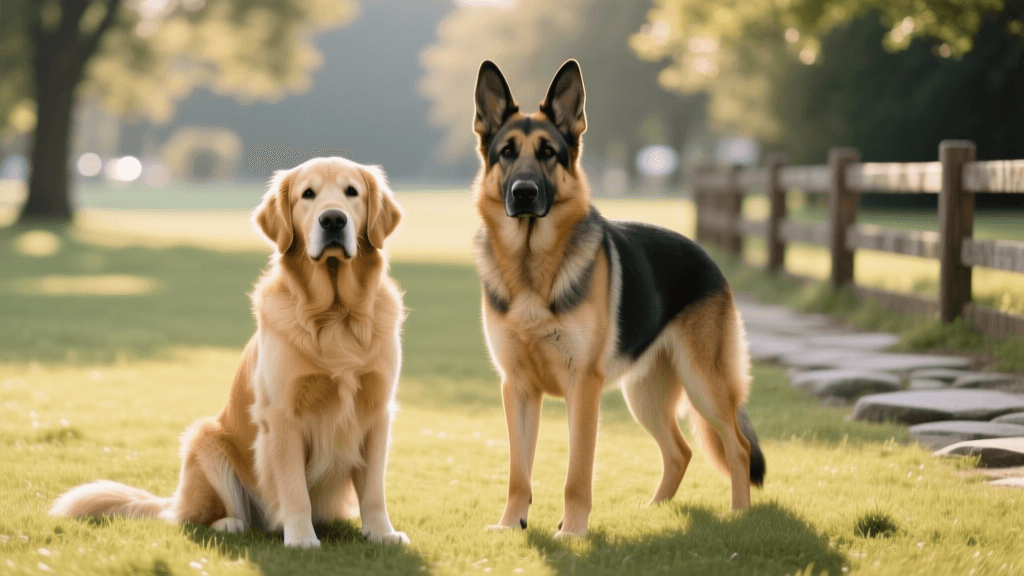
Introduction to Large Breed Orthopedic Health
When prospective dog owners compare the Golden Retriever and the German Shepherd, the conversation often centers around temperament, trainability, and working drive. However, from a veterinary and long-term wellbeing perspective, the most critical comparison lies in their orthopedic health. Both breeds belong to the large breed category, making them inherently susceptible to developmental joint conditions, most notably hip dysplasia and elbow dysplasia. Selecting between these two beloved breeds requires a deep understanding of their genetic predispositions, the specific questions you must ask breeders, and the lifelong financial and environmental commitments required to maintain their mobility. This comprehensive guide breaks down the joint health profiles of Golden Retrievers and German Shepherds, providing actionable advice on breed selection, preventive nutrition, and long-term orthopedic care.
Understanding the Genetic Risks of Hip and Elbow Dysplasia
Hip dysplasia is a polygenic, multifactorial disease where the ball and socket of the hip joint do not fit or develop properly. According to the Cornell University College of Veterinary Medicine, this malformation leads to joint laxity, friction, and eventual osteoarthritis. While genetics load the gun, environmental factors such as rapid growth, overfeeding, and inappropriate puppy exercise pull the trigger. German Shepherds often suffer from a more severe angulation in their hindquarters, which can exacerbate joint wear and tear, while Golden Retrievers are highly prone to concurrent elbow dysplasia and cranial cruciate ligament (CCL) tears due to their enthusiastic, high-impact retrieval instincts.
Breed Selection: Vetting the Breeder and Health Clearances
The foundation of joint health begins long before you bring your puppy home; it starts with responsible breed selection. Reputable breeders will not simply tell you that the parents are 'vet checked.' You must demand proof of orthopedic screening through recognized registries. The Orthopedic Foundation for Animals (OFA) and the PennHIP evaluation are the gold standards for hip screening in the United States.
Decoding OFA and PennHIP Scores
For a Golden Retriever or German Shepherd to receive a CHIC (Canine Health Information Center) number, their hip and elbow radiographs must be submitted to the OFA. However, a CHIC number only means the dog was tested, not that it passed. You must look at the actual OFA grades, which range from Excellent, Good, and Fair (all considered passing), to Borderline, Mild, Moderate, and Severe (failing). Alternatively, the PennHIP method measures joint laxity using a Distraction Index (DI). A DI of less than 0.30 is generally considered excellent and indicates a much lower risk of developing osteoarthritis. When selecting a German Shepherd, pay special attention to the sire and dam's spinal health clearances, as Degenerative Myelopathy (DM) is a prevalent genetic issue that can mimic or compound hind-end weakness.
Comparative Health and Selection Data Table
| Feature | Golden Retriever | German Shepherd |
|---|---|---|
| Average Adult Weight (Male) | 65 - 75 lbs | 65 - 90 lbs |
| Hip Dysplasia Prevalence (OFA) | ~19.4% | ~19.8% |
| Elbow Dysplasia Prevalence | ~11.4% | ~16.6% |
| Common Secondary Issues | Cruciate Ligament Tears, Obesity | Degenerative Myelopathy, Spinal Issues |
| Average Reputable Breeder Cost | $2,500 - $4,000 | $2,500 - $4,500 |
Nutritional Strategies for Large Breed Puppies
Proper nutrition during the first 12 to 18 months of life is critical for mitigating genetic joint risks. The WSAVA Global Nutrition Guidelines emphasize that large breed puppies must be fed diets specifically formulated to control their growth rate. Rapid growth places excessive mechanical stress on developing cartilage and bone.
Calcium, Phosphorus, and Caloric Density
A large breed puppy food must have a strictly controlled calcium-to-phosphorus ratio, ideally between 1.2:1 and 1.5:1. Excess calcium disrupts normal bone remodeling. Furthermore, these diets are lower in caloric density to prevent rapid weight gain. Premium options like Purina Pro Plan Large Breed Puppy or Royal Canin Giant Puppy are scientifically formulated to meet these exact specifications. You should be able to feel your puppy's ribs easily without pressing hard; keeping your puppy on the lean side of the body condition score (4/9) is one of the most effective, proven ways to delay the onset of osteoarthritis.
Environmental Management: Beds, Floors, and Exercise
Once you have selected a genetically sound puppy and established a proper diet, managing their physical environment is the next pillar of preventive care. Slippery surfaces like hardwood, tile, and laminate floors are disastrous for developing puppy joints. The micro-slips a puppy experiences trying to gain traction can cause subclinical damage to the hip capsule. Invest in interlocking foam mats or low-pile area rugs for your puppy's primary play areas.
The Importance of Orthopedic Support
As your dog matures, providing adequate joint support during rest is vital. Standard stuffed dog beds compress over time, allowing the dog's heavy joints to rest on the hard floor. The Big Barker 7-inch Pillow Top Orthopedic Dog Bed (retailing between $250 and $300) is clinically shown to reduce joint pain and improve mobility in large breeds by using high-density foam that does not flatten over a decade of use.
Exercise Restrictions: The 5-Minute Rule
Forced exercise, such as running alongside a bicycle or playing high-impact fetch on hard surfaces, should be strictly avoided until the dog's growth plates close (typically between 14 and 18 months). A widely accepted veterinary guideline is the '5-minute rule': provide 5 minutes of structured, low-impact leash walking per month of age, up to twice a day. Therefore, a 4-month-old puppy should only have 20 minutes of formal walking per session. Free play on soft grass is excellent, but repetitive jumping into cars or onto couches must be prevented using pet ramps.
Financial Planning: Supplements, Insurance, and Surgery Costs
Owning a large breed dog requires proactive financial planning for orthopedic care. The American Veterinary Medical Association (AVMA) notes that veterinary costs for specialized surgeries and chronic disease management can be substantial, making early financial preparation essential.
Daily Joint Supplements
Many veterinarians recommend starting a high-quality joint supplement before clinical signs of dysplasia appear. Dasuquin Advanced (approximately $75 for an 84-count bottle) is a premier choice. It contains Glucosamine Hydrochloride, Sodium Chondroitin Sulfate, and Avocado/Soybean Unsaponifiables (ASU), which work synergistically to protect cartilage matrix and inhibit inflammatory markers in the joint fluid.
Pet Insurance and Surgical Interventions
If preventive measures fail and your dog develops severe, debilitating osteoarthritis, a Total Hip Replacement (THR) or Femoral Head Ostectomy (FHO) may be required. A THR at a specialized veterinary surgical center typically costs between $5,000 and $7,000 per hip. To protect against these catastrophic costs, enrolling your puppy in a comprehensive pet insurance policy like Trupanion or Healthy Paws before they are 6 months old is crucial. Enrolling early ensures that developing joint laxity is not classified as a pre-existing condition, which would void your orthopedic coverage.
Conclusion: A Lifelong Commitment to Mobility
Choosing between a Golden Retriever and a German Shepherd should not be based solely on aesthetics or breed popularity. Both breeds carry a significant genetic risk for hip and elbow dysplasia, requiring an owner who is committed to rigorous breeder vetting, strict puppy nutrition, and lifelong environmental management. By understanding the specific orthopedic profiles of these breeds, utilizing objective health screening data like OFA and PennHIP scores, and budgeting for preventive supplements and pet insurance, you can ensure your large breed companion enjoys a vibrant, active, and pain-free life. Ultimately, the healthiest dog is not just the one with the best genetics, but the one with the most informed and proactive owner.
marcus-aldridge
All our authors care for dogs every day — read more of their work on the authors page.