Dog Stress Signals: Preparing for a Newborn in 2026
Learn to read subtle canine stress signals and use scent desensitization to prepare your dog for a newborn baby in 2026. Ensure a safe, smooth transition.
The Psychology of Pack Shifts: How Dogs Perceive Newborns
Welcoming a human infant into your home is one of the most profound life transitions a family can experience. However, from your dog's perspective, this transition represents a massive disruption to their established environmental predictability. Dogs are creatures of habit who rely heavily on routine, familiar scents, and predictable social dynamics. When a newborn arrives, the household's acoustic landscape changes, new and potent odors permeate the air, and the attention of their primary caregivers is suddenly diverted.
As of 2026, veterinary behaviorists emphasize that the key to a harmonious multi-species household lies in proactive neurological desensitization and a deep understanding of canine ethology. It is not enough to simply 'let the dog sniff the baby.' True preparation requires decoding your dog's subtle stress signals and implementing a structured, science-based transition protocol months before the baby actually arrives. Understanding the psychology behind these shifts is the first step toward ensuring safety and emotional well-being for both your child and your canine companion.
Decoding Subtle Canine Stress Signals
Many well-intentioned pet parents misinterpret their dog's behavior around infants because they are looking for overt signs of aggression, such as growling or snapping. In reality, canine communication is vastly more nuanced. According to the American Kennel Club, dogs utilize a complex vocabulary of 'calming signals' and displacement behaviors to communicate discomfort, anxiety, and a desire to de-escalate a stressful situation long before they resort to a bite.
During the transition period of bringing a newborn home, your dog may exhibit behaviors that seem 'quirky' but are actually cries for help. Recognizing these early warning signs allows you to intervene, remove the stressor, and advocate for your dog before their anxiety threshold is crossed.
The Canine Stress Signal Matrix
The following table outlines common, easily missed stress signals your dog may display when exposed to baby-related stimuli (such as crying sounds, erratic movements, or new nursery equipment).
| Stress Signal | What It Looks Like | Psychological Meaning | Immediate Action Required |
|---|---|---|---|
| Whale Eye | Head turned away, but eyes fixed on the stimulus, showing the whites (sclera). | High anxiety, feeling trapped, potential for defensive reaction. | Immediately increase distance; do not force interaction. |
| Lip Licking | Quick, repetitive flicks of the tongue over the nose or lips (not related to food). | Mild to moderate stress, confusion, or an attempt to self-soothe. | Lower expectations, offer a familiar training cue to rebuild confidence. |
| Shake Off | Shaking the entire body as if wet, despite being dry. | A physiological 'reset' to release adrenaline after a stressful encounter. | Allow the dog to retreat to a safe zone; the stressor was too intense. |
| Yawning | Exaggerated, repetitive yawning in non-sleepy contexts. | Internal conflict, emotional tension, or an attempt to calm the environment. | Redirect the dog to a different room or engage in a relaxing sniffing game. |
| Freezing | Sudden, rigid stillness, often holding breath. | Critical warning sign; the dog is assessing a perceived threat before acting. | Do not approach or reprimand; calmly call the dog away using a happy tone. |
The 2026 Scent and Sound Desensitization Protocol
To prevent your dog from experiencing sensory overload on the day you bring the baby home, you must systematically introduce baby-related stimuli during the second and third trimesters of pregnancy. Experts at Family Paws Parent Education advocate for classical counter-conditioning, where novel and potentially frightening stimuli are paired with high-value rewards to change the dog's underlying emotional response.
Acoustic Habituation
Human infant cries are biologically designed to be distressing and piercing, which can trigger a prey drive or severe anxiety in dogs. Begin acoustic habituation by month seven of pregnancy.
- Week 1-2: Play audio recordings of baby cries, coos, and infant equipment (like motorized swings) at a very low volume (around 40 decibels) while feeding your dog their regular meals or offering a long-lasting enrichment toy, such as a frozen Kong stuffed with freeze-dried beef liver.
- Week 3-4: Gradually increase the volume to a normal conversational level (60 decibels) and move the audio source to different rooms, particularly near the nursery, continuing to pair the sounds with positive reinforcement.
- Week 5-6: Introduce sudden, sharp cries at random intervals to mimic real-life unpredictability, rewarding your dog for remaining calm and offering a 'look at me' eye contact cue.
Olfactory Desensitization
A dog's olfactory bulb is roughly 40 times larger than a human's, making scent their primary way of mapping the world. Before the baby arrives, introduce baby lotions, powders, and diaper creams to your dog's environment. Apply a small amount to your hands and allow your dog to investigate, followed immediately by a high-value treat. When the baby is born, have a partner bring home a hospital blanket or onesie that carries the infant's scent. Allow your dog to sniff the item thoroughly on the floor without restriction, pairing the investigation with calm praise and treats. This ensures the baby's scent is cataloged as a predictor of good things, rather than an invasive territorial threat.
Environmental Management: Safe Zones and Pheromone Therapy
Understanding your dog also means understanding their need for agency and escape routes. A newborn baby will eventually crawl, pull tails, and invade the dog's resting spaces. You must establish strict environmental boundaries long before the baby becomes mobile.
Creating a Canine Sanctuary
Designate a 'dog-only' sanctuary room or a specific corner of the house that is strictly off-limits to the baby. This area should be equipped with:
- An elevated, orthopedic dog bed that provides a vantage point and physical comfort.
- A white noise machine to mask the unpredictable sounds of a crying infant.
- Interactive puzzle feeders to provide mental stimulation when the dog is confined to the space while parents are tending to the baby.
Use tall, sturdy baby gates to create physical barriers that allow your dog to observe the household without feeling trapped or obligated to interact. This visual access reduces the 'fear of missing out' and prevents resource guarding behaviors from developing around the nursery door.
Leveraging Synthetic Pheromones
To further support your dog's nervous system during this high-stress transition, utilize synthetic dog-appeasing pheromones (DAP). Products like the latest Adaptil Opt diffusers mimic the natural pheromones released by a nursing mother dog, which signal safety and comfort to dogs of all ages. Plug these diffusers into the rooms where your dog spends the most time, particularly their sanctuary zone and the main living area, at least four weeks before the baby's expected due date to allow the chemical messaging to take full effect.
The First 48 Hours: A Step-by-Step Introduction
According to the ASPCA, the initial greeting sets the tone for the lifelong relationship between your dog and your child. When you first return home from the hospital, the primary caregiver should enter the house without the baby to greet the dog. Allow your dog to expend their initial excitement and receive affection. Once the dog is calm, bring the baby inside.
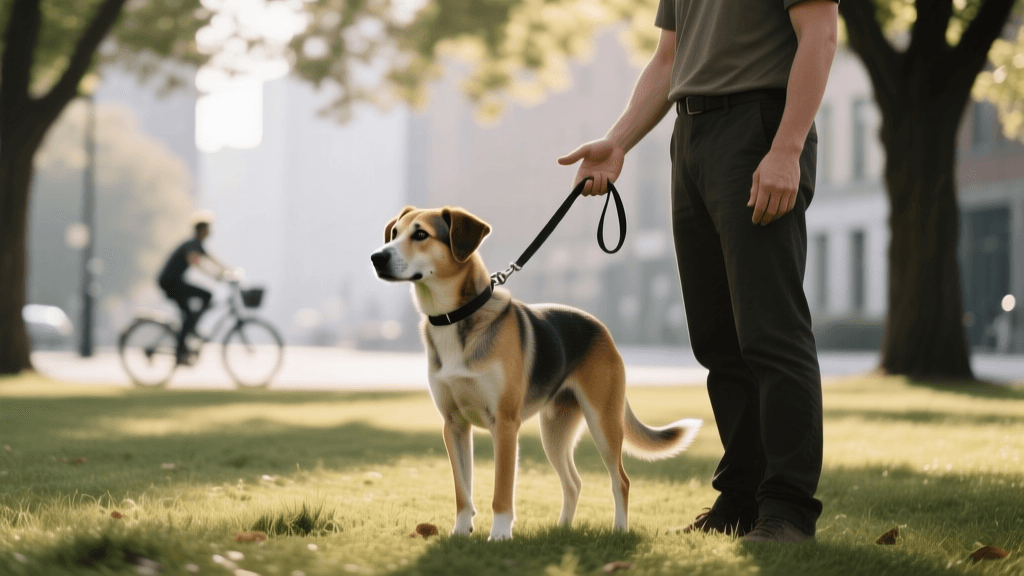
Keep the dog on a loose leash held by a secondary adult. Allow the dog to approach the baby's feet, sniff briefly, and then immediately call them away and reward them generously. Keep initial interactions to under 10 seconds. The goal is not to force a 'bonding moment,' but to teach your dog that the presence of the baby results in calm behavior, personal space, and high-value rewards. Never leave the dog and baby unattended, regardless of how tolerant your dog appears, as canine stress thresholds can shift rapidly in a sleep-deprived, chaotic environment.
Conclusion
Transitioning to a family with a newborn is a monumental shift, but by prioritizing your dog's psychological needs and learning to read their subtle stress signals, you can navigate this life change successfully. Through proactive scent and sound desensitization, environmental management, and a deep respect for canine body language, you lay the foundation for a safe, respectful, and ultimately beautiful bond between your child and your dog in 2026 and beyond.
hannah-wickes
All our authors care for dogs every day — read more of their work on the authors page.