Moving With a Senior Dog in 2026: Stress-Free Transition Guide
Discover vet-approved strategies for moving with a senior dog in 2026. Manage arthritis, anxiety, and cognitive changes for a smooth household transition.
Navigating Life Transitions: Moving With a Senior Dog in 2026
Life transitions, particularly moving to a new home, are universally recognized as one of the most stressful events for both humans and pets. However, while you might be focused on packing boxes and hiring movers, your aging dog is experiencing a profound disruption to their environmental security. In 2026, veterinary behaviorists and geriatric specialists emphasize that senior dogs—typically defined as those over seven years of age, or five years for giant breeds—face compounded challenges during household moves. Age-related conditions such as osteoarthritis, sensory decline, and Canine Cognitive Dysfunction (CCD) can turn a simple change of address into a severe medical and behavioral crisis if not managed with precision and empathy.
According to the American Veterinary Medical Association (AVMA), aging pets require specialized environmental modifications to maintain their quality of life. When you introduce the chaos of a move, these baseline needs are suddenly threatened. This comprehensive guide provides actionable, vet-approved strategies to help your senior dog navigate a household move in 2026 with minimal stress, protecting their joints, mind, and overall wellbeing.
Pre-Move Preparation: Protecting Joints and Mind
The preparation phase should begin at least three to four weeks before your actual moving day. Senior dogs thrive on predictability. As boxes begin to accumulate and furniture is rearranged, your dog's internal map of their safe space is destroyed. This can trigger anxiety, pacing, and exacerbation of joint pain due to increased restlessness.
Joint Support and Mobility Planning
Before the move, assess your new home's flooring. Hardwood, tile, and polished concrete are incredibly popular in modern 2026 home designs, but they are notoriously dangerous for dogs with osteoarthritis or hip dysplasia. Slippery floors force dogs to engage their core and stabilizing muscles constantly, leading to micro-traumas and severe pain.
- Order Non-Slip Rugs Early: Invest in washable, non-slip rug systems like Ruggable or heavy-duty Gorilla Grip rug pads. Map out the primary pathways your dog will take from their bed to the door and the kitchen, ensuring a continuous traction-friendly route.
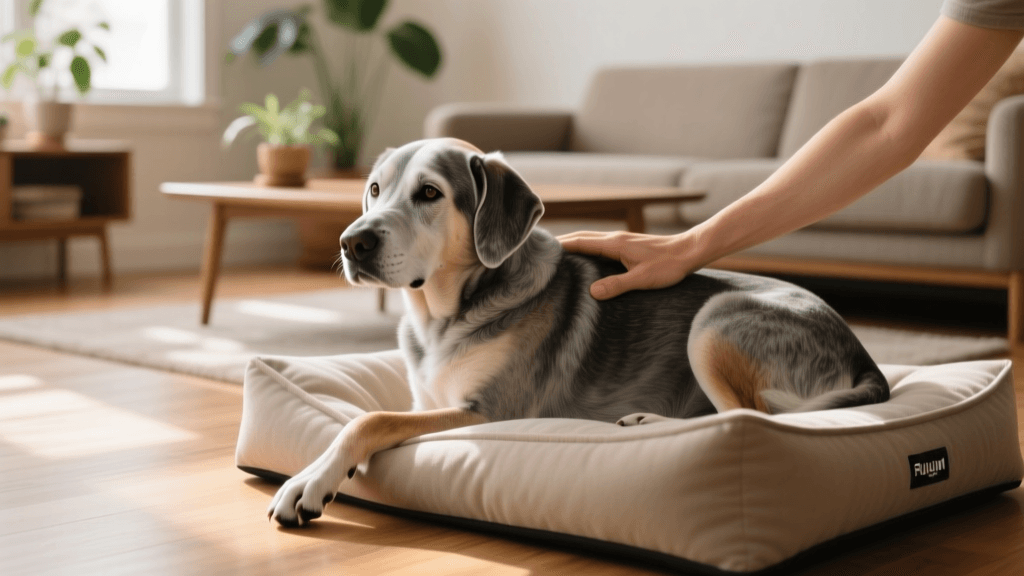
- Upgrade to Orthopedic Support: If your dog is still sleeping on a standard poly-fill bed, now is the time to upgrade. The Big Barker 7-inch Orthopedic Dog Bed (priced around $289 in early 2026) utilizes therapeutic foam that prevents joints from pressing against the hard floor, a crucial intervention for large senior breeds.
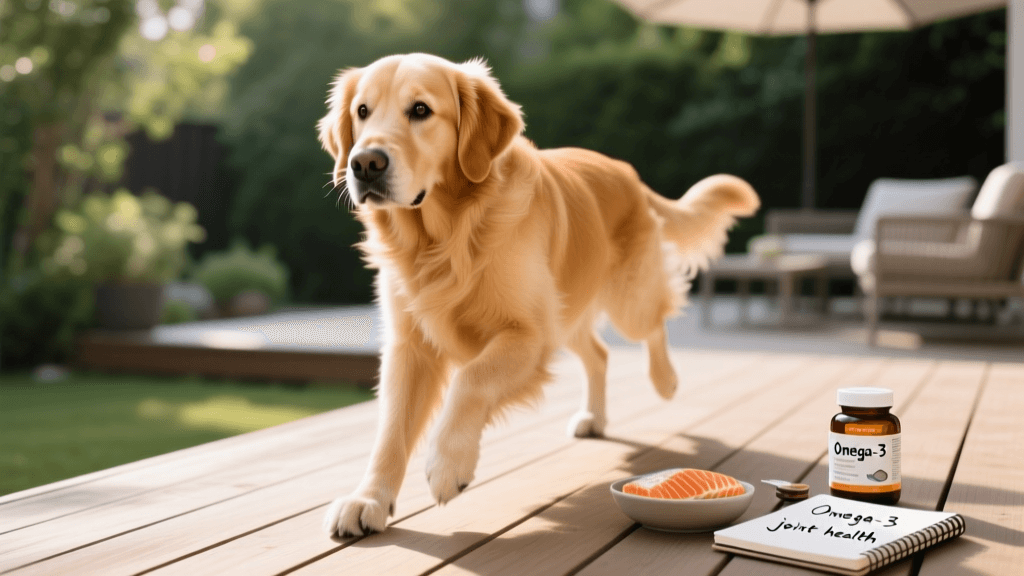
- Start Joint Supplements: If not already on a regimen, consult your vet about starting a high-quality glucosamine/chondroitin supplement with MSM and Omega-3s, such as Dasuquin Advanced, at least two weeks prior to the move to build up anti-inflammatory protection.
Addressing Canine Cognitive Dysfunction (CCD)
Dogs suffering from CCD (often referred to as doggy dementia) rely heavily on spatial memory and scent markers. Moving strips them of these anchors. To prepare a dog with CCD for a transition, begin using a canine pheromone diffuser, like the Adaptil Optimum 2026 Edition, in the rooms you are currently packing. This synthetic pheromone mimics the comforting signals of a nursing mother dog, helping to lower baseline cortisol levels before the physical move even begins.
The 2026 Senior Dog Moving Survival Kit
Having a dedicated kit for your dog's specific medical and behavioral needs is essential. Below is a comparison of top-tier products recommended by veterinary professionals for senior dogs undergoing major life transitions this year.
| Product Category | Recommended 2026 Product | Primary Benefit for Seniors | Estimated Cost |
|---|---|---|---|
| Pheromone Therapy | Adaptil Optimum Diffuser | Reduces environmental anxiety and pacing | $85 |
| Calming Wearable | ThunderEase Calming Coat | Provides gentle, constant pressure to soothe nervous system | $65 |
| Mobility Aid | PetSafe CozyUp Folding Pet Steps | Prevents joint strain when accessing furniture or vehicles | $45 |
| Cognitive Support | Purina Pro Plan Bright Mind | MCT oil blend supports brain function in aging dogs | $70 |
Moving Day: Minimizing Sensory Overload
Moving day is a cacophony of loud noises, heavy foot traffic, and open doors. For a senior dog with diminishing hearing or vision, this environment is terrifying and poses a severe flight risk. The American Kennel Club (AKC) strongly recommends setting up a 'safe room' or utilizing a professional pet sitter for the actual day of the move.
'The single biggest mistake owners make during a move is allowing the dog to roam freely while movers are carrying heavy items. For a senior dog, the risk of being accidentally stepped on, or bolting out an open door due to panic, is exceptionally high. Isolation in a familiar, scent-rich environment is the safest protocol.' — Veterinary Behaviorist Guidelines, 2026.
The Safe Room Protocol
Choose one room in your current home to be packed last and unpacked first. Place your dog's unwashed bed, their favorite chew toys, and a water bowl in this space. Do not wash their bedding before the move. The familiar scent is a vital psychological anchor. Plug in your Adaptil diffuser in this room 48 hours before moving day. Play continuous white noise or classical music to mask the sounds of dropping boxes and shouting movers.
Settling In: The Basecamp Method
When you arrive at your new home, resist the urge to let your senior dog explore the entire property immediately. A vast, unfamiliar space can trigger severe disorientation, especially in dogs with CCD or sensory loss.
Establishing Basecamp
Set up a 'Basecamp' in a quiet, low-traffic room (like a spare bedroom). This room should contain all their familiar items: the unwashed bed, food and water bowls, and toys. Keep your dog confined to this Basecamp for the first 48 to 72 hours. This allows them to decompress and map a small, manageable area before gradually being introduced to the rest of the house.
Scent Soakers and Environmental Mapping
To help your dog map the new home, use 'scent soakers.' Take a clean cotton t-shirt, rub it gently on your dog's cheeks and shoulders (where their natural, comforting pheromones are produced), and then wipe down the baseboards and doorframes of the new house at your dog's nose level. This artificially marks the new territory as 'safe' and familiar.
Post-Move Veterinary Care and Monitoring
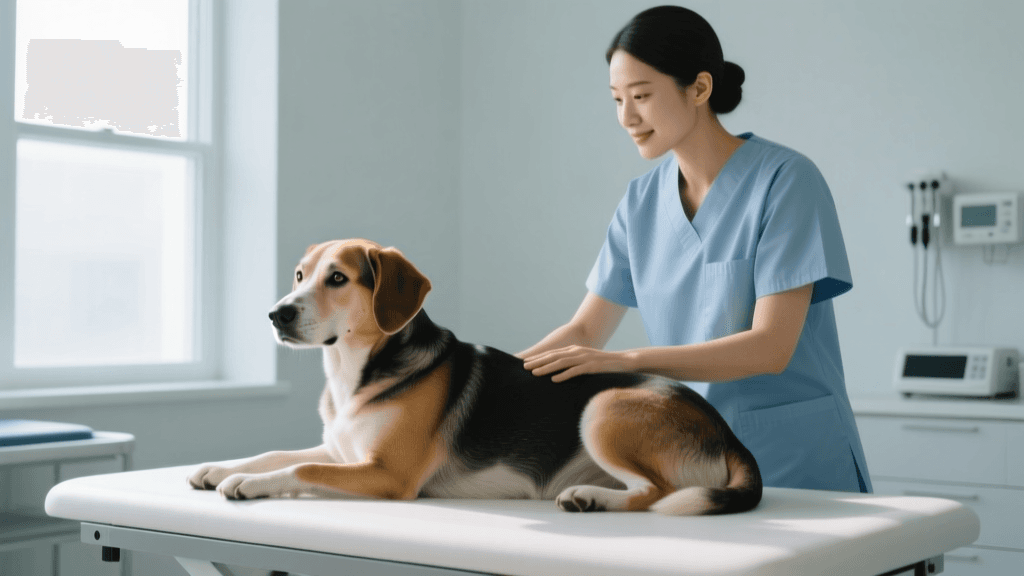
Even with meticulous planning, the stress of a life transition can suppress a senior dog's immune system and unmask underlying health issues. The ASPCA advises scheduling a post-move wellness exam within two weeks of settling into your new home.
Warning Signs to Monitor
During the first month in your new home, keep a close eye on the following symptoms, which indicate that your dog is failing to adapt to the transition:
- Changes in Sleep-Wake Cycles: Pacing at night or 'sundowning' (increased confusion and anxiety as the sun sets) are hallmark signs of CCD exacerbated by stress.
- Appetite Fluctuations: Skipping meals for more than 24 hours requires immediate veterinary attention, as senior dogs can rapidly develop hepatic lipidosis or severe dehydration.
- Mobility Regression: If your dog becomes reluctant to stand, lies down in unusual spots (like cold tile instead of their bed), or exhibits trembling, their arthritis may be flaring up due to the physical toll of stress.
- House-Soiling: A previously house-trained senior dog having accidents in the new home is rarely acting out of spite. It is usually a sign of cognitive confusion, anxiety, or a stress-induced urinary tract infection.
Conclusion: Patience is the Ultimate Remedy
Life transitions are inevitable, but the way we manage them defines the quality of our dog's golden years. Moving with a senior dog in 2026 requires a shift in perspective—from viewing the move as a simple logistical task to treating it as a major medical and psychological event for your pet. By investing in joint-supportive environments, utilizing modern calming pheromones, and employing the Basecamp method, you can transform a potentially traumatic experience into a smooth, secure transition. Remember, your senior dog has spent a lifetime providing you with comfort and stability; returning that favor during a time of change is the ultimate expression of your bond.
priya-sutaria
All our authors care for dogs every day — read more of their work on the authors page.