Decoding Dog Button Communication: Do They Really Talk?
Discover the viral dog button communication trend. Learn how soundboards work, the psychology behind them, and a step-by-step training guide.
The Viral Phenomenon of Dog Soundboards
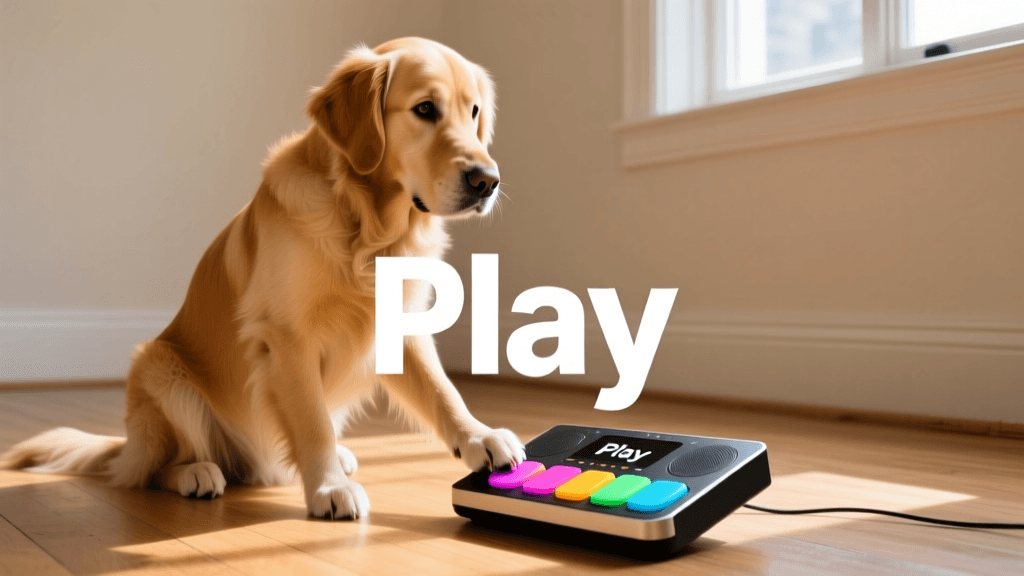
If you have spent any time on TikTok, Instagram, or YouTube over the last few years, you have likely encountered the viral trend of talking dogs. Canines like Bunny the Sheepadoodle and Stella the Catahoula mix have captivated millions by using programmable soundboards to communicate with their owners. But beyond the viral entertainment value, what is actually happening inside your dog's brain when they press a button that says outside or play? Is it a parlor trick, or are we unlocking a profound new layer of interspecies communication? In this comprehensive guide, we will dive deep into the psychology of canine soundboard training, compare the most popular products on the market, and provide a highly actionable, step-by-step roadmap to teaching your own dog to use communication buttons.
The Psychology: Associative Learning vs. True Language
To understand if dogs are actually talking, we must first look at canine cognition. According to researchers involved in the TheyCanTalk citizen science project led by cognitive scientist Dr. Federico Rossano at UC San Diego, dogs are not using language in the human sense. They do not possess a grasp of complex syntax or grammar. Instead, they are utilizing advanced associative learning and pragmatic communication.
When a dog presses the walk button and you subsequently put on their leash, they learn that the physical action of pressing the button causes a specific, desirable outcome in their environment. This is rooted in operant conditioning. However, what makes the soundboard trend so fascinating is that dogs often begin combining buttons in novel ways. For instance, pressing water and outside might mean they want to play in the sprinklers, not that they are commenting on the weather. While skeptics argue this is merely a series of conditioned responses strung together, proponents argue it demonstrates a foundational understanding of pragmatics—the use of context to achieve a social goal. Dogs are highly motivated social learners, and soundboards give them a tool to initiate interactions rather than merely responding to human cues.
Choosing the Right Equipment: Soundboard Systems Compared
When selecting a system, the physical size of your dog's paws is the most critical metric. A Chihuahua will struggle to depress a generic 3-inch answer buzzer designed for human classrooms, while a Great Dane might accidentally trigger three small buttons at once if the tiles are not properly spaced. Below is a comparison of the top systems used by professionals and viral dog accounts.
| Brand/System | Approximate Cost | Button Size | Best For | Key Features |
|---|---|---|---|---|
| FluentPet | $30 - $45 (Starter) | 1.5 inches | Small to Medium Dogs | Hexagonal tile grid system prevents slipping, high-quality audio clarity. |
| Hunger for Words | $25 - $40 (Starter) | 2.25 inches | Large Dogs / Heavy Paws | Durable ABS plastic, louder speaker, simple mat layout. |
| Generic Recordable Buzzers | $15 - $20 (Pack of 4) | 3.0 inches | Budget / DIY Beginners | Basic recording, no organizational mat, highly affordable for testing. |
For most pet owners starting out, the Hunger for Words starter kit offers an excellent balance of durability and audio clarity. The recording limit on most commercial buttons is between 30 and 60 seconds, which is more than enough for a single, clear word. If you want to dive deeper into the methodology behind these commercial kits, the American Kennel Club (AKC) provides excellent foundational guidelines on introducing recordable devices to pets safely.
Step-by-Step Guide to Training Your First Buttons
Training your dog to use a soundboard requires immense patience, precise timing, and high-value rewards. Do not expect your dog to press a button on day one. The modeling phase can take anywhere from two to six weeks depending on your dog's baseline training and food drive.
Phase 1: Selecting the First Words
Never start with abstract concepts like love or mad. Start with highly motivating, functional verbs and nouns. The best first buttons are Outside, Play, and All Done. These represent immediate, tangible outcomes that your dog already desires and understands through your daily routines.
Phase 2: The Modeling Technique
Modeling is the process of demonstrating the behavior you want. Every single time you take your dog outside, you must press the Outside button yourself, say the word out loud, and then immediately open the door. Timing is everything. The sequence must be: Press Button -> Say Word -> Action -> Reward. If you press the button after the dog is already outside, the association is broken. You must model this consistently for at least 14 to 21 days before expecting the dog to initiate the action themselves.
Phase 3: Capturing the Behavior
Once your dog begins to stare at the button or sniff it, wait them out. Do not point at the button or tap it yourself, as this creates prompt dependency. When they accidentally or intentionally press it with their paw or nose, immediately react with enthusiasm and fulfill the request. If they press Play, grab the tug toy within two seconds. If they press Outside, leash up immediately.
Setup Costs and Spatial Requirements
Setting up a dedicated communication station requires a quiet, low-traffic area of your home. The kitchen or a dedicated corner of the living room works best. Expect to spend roughly $40 to $60 on a starter kit and an additional $20 on a specialized non-slip mat if your chosen brand does not include one. You will also need to budget for high-value training treats, such as freeze-dried liver or Zuke's Mini Naturals, which cost around $8 to $12 per bag. Keep training sessions incredibly short—no more than 3 to 5 minutes, twice a day—to prevent cognitive fatigue.
Common Pitfalls and How to Avoid Them
- Over-Prompting: If you constantly point to the button or physically guide your dog's paw, they are learning to follow your hand, not to communicate. Remove your hands from the equation entirely and let them figure out the spatial mechanics.
- Button Fatigue: If your dog presses the Outside button 40 times in an hour, they are not obsessed with going out; they are experimenting with the cause-and-effect loop. If this happens, calmly pick up the button, say All Done, and put it away for 30 minutes. Consistency in enforcing boundaries is crucial to maintaining the integrity of the words.
- Ignoring the Buttons: The fastest way to extinguish a newly learned behavior is to ignore it. If your dog presses the Water button while you are on a Zoom call, you must acknowledge it, even if it is just a quick trip to the kitchen sink for a sip from your hand. If the buttons become unreliable, your dog will stop using them entirely.
Final Thoughts on Canine Communication
The dog button communication trend is far more than a fleeting internet fad; it is a legitimate shift in how we view canine intelligence. While your dog may not be debating philosophy or reciting poetry, soundboards provide a unique window into their daily desires, frustrations, and observations. By utilizing operant conditioning, investing in the right ergonomic equipment, and maintaining strict consistency in your modeling, you can give your dog a voice. Remember to celebrate the small victories, document your progress, and enjoy the incredible journey of learning exactly what your best friend has to say.
hannah-wickes
All our authors care for dogs every day — read more of their work on the authors page.