The Sniffari Trend: Guide to Dog Decompression Walks
Discover the viral Sniffari trend. Learn how dog decompression walks reduce anxiety, boost enrichment, and transform your daily routine.
The Rise of the 'Sniffari': More Than Just a Viral Trend
If you have spent any time on canine TikTok or Instagram recently, you have likely encountered the hashtags #Sniffari and #DecompressionWalk. What started as a niche concept among certified canine behaviorists and fear-free trainers has exploded into a mainstream viral trend, fundamentally changing how millions of pet parents approach their daily routines with their dogs. But a 'Sniffari' is far more than just a catchy internet buzzword; it is a scientifically backed approach to canine mental health, anxiety reduction, and behavioral enrichment.
For decades, the traditional dog walk has been defined by a human-centric goal: getting from point A to point B, achieving a specific step count, or enforcing strict heel commands. While physical exercise is undeniably important, modern canine science reveals that ignoring a dog's primary way of experiencing the world—their nose—can lead to frustration, reactivity, and pent-up energy. In this comprehensive guide, we will explore the anatomy of a perfect Sniffari, the exact gear you need, and how to seamlessly integrate this trending practice into your daily life with your dog.
What Exactly is a Decompression Walk?
A decompression walk, often affectionately dubbed a 'Sniffari,' is an unstructured, dog-led excursion where the primary objective is sensory exploration rather than physical distance or obedience. Imagine taking your dog to a quiet, natural environment, attaching them to a long line, and simply letting them dictate the pace, direction, and duration of every stop.
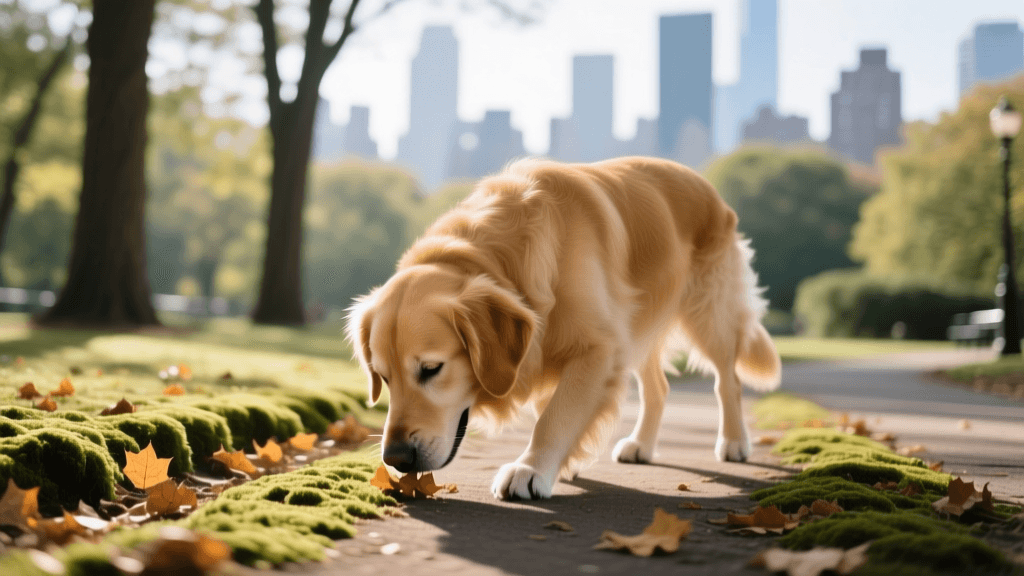
During a Sniffari, your dog is allowed to investigate the base of trees, dig into patches of tall grass, and read the 'pee mail' left by local wildlife and neighborhood dogs. There is no rushing. There is no 'leave it' unless there is an immediate safety hazard. The goal is to allow the dog's nervous system to down-regulate from the stressors of urban living, loud noises, and confined indoor spaces. According to Fear Free Pets, providing this type of unstructured, species-specific enrichment is critical for preventing behavioral issues and promoting a calm, balanced temperament in the home.
The Science of Sniffing: Why Mental Enrichment Matters
To understand why the Sniffari trend has gained such massive traction, we must look at canine biology. A dog's sense of smell is their primary interface with the world. While humans have roughly 6 million olfactory receptors, dogs possess up to 300 million, depending on the breed. Furthermore, the area of a dog's brain dedicated to analyzing odors is proportionally 40 times greater than ours.
When a dog sniffs, they are engaging in intense cognitive processing. They are identifying the species, sex, diet, and even the emotional state of the animals that passed through the area hours or days ago. This intense brain activity burns a significant amount of calories and energy. In fact, canine behaviorists widely agree on a general rule of thumb: 20 minutes of intense, uninterrupted sniffing can mentally fatigue a dog as much as an hour of rigorous physical exercise like running or fetch.
According to the American Kennel Club, allowing your dog to sniff on walks lowers their heart rate and provides a natural calming effect, making it an essential tool for managing leash reactivity and general anxiety.
Traditional Neighborhood Walk vs. The Sniffari
How does a Sniffari actually compare to your standard evening stroll around the block? The differences in pacing, equipment, and physiological outcomes are stark. Below is a comparison chart to help you understand the distinct benefits of each approach.
| Feature | Traditional Structured Walk | The Sniffari (Decompression Walk) |
|---|---|---|
| Primary Goal | Physical exercise, obedience, potty break | Mental enrichment, sensory exploration, stress relief |
| Who Leads? | Human dictates route and pace | Dog dictates route, pace, and stop duration |
| Equipment | Standard 4-6 ft leash, collar or standard harness | 15-30 ft long line, comfortable Y-front harness |
| Environment | Sidewalks, paved trails, urban streets | Woods, open fields, quiet parks, private land |
| Energy Burn | Primarily physical (muscle fatigue) | Primarily mental (cognitive fatigue) |
| Heart Rate | Elevates during movement | Lowers and stabilizes during deep sniffing |
Essential Gear for the Perfect Sniffari
You cannot execute a proper decompression walk with standard neighborhood gear. A standard 6-foot leash restricts movement, and a collar can cause tracheal damage if the dog suddenly lunges at a fascinating scent. To embrace the Sniffari trend safely and comfortably, invest in the following specific gear:
1. The Y-Front Harness
A well-fitted harness with a Y-shaped front is non-restrictive, allowing full range of motion in the shoulders. Recommended Product: The Perfect Fit Harness (approx. $75) or the Rabbitgoo No-Pull Harness (approx. $25). Ensure the chest strap sits below the sternum to avoid impeding the dog's natural gait while they stretch their neck into bushes.
2. The Long Line (15 to 30 Feet)
A long line provides the illusion of being off-leash while maintaining safety. Material Matters: Avoid standard nylon long lines, which cause severe rope burn if the leash slides through your gloves or bare hands. Instead, opt for Biothane. Biothane is waterproof, mud-proof, and glides easily through your hands. Recommended Product: Primal Pet Gear Biothane Long Line (15ft for beginners, 30ft for advanced; approx. $35-$50). For smaller dogs under 20 lbs, ensure you buy a lightweight 3/8-inch width to avoid weighing them down.
3. High-Value Treat Pouch and Whistle
Even on a decompression walk, you need a reliable recall for emergencies. Carry a pouch with high-value, smelly treats (like freeze-dried beef liver or boiled chicken) to reward voluntary check-ins. A gundog whistle (like the Acme 211.5, approx. $15) is excellent for cutting through the wind in open fields without straining your vocal cords.
Step-by-Step Guide to Planning Your First Sniffari
Step 1: Location Scouting. The ideal Sniffari location is low-traffic, rich in natural odors, and free from hazards like busy roads. State parks, rural trails, and empty sports fields are excellent. If you live in a dense urban area and lack access to nature, consider renting private land through platforms like Sniffspot, which allows you to rent secure, private yards and pastures by the hour specifically for dog enrichment.
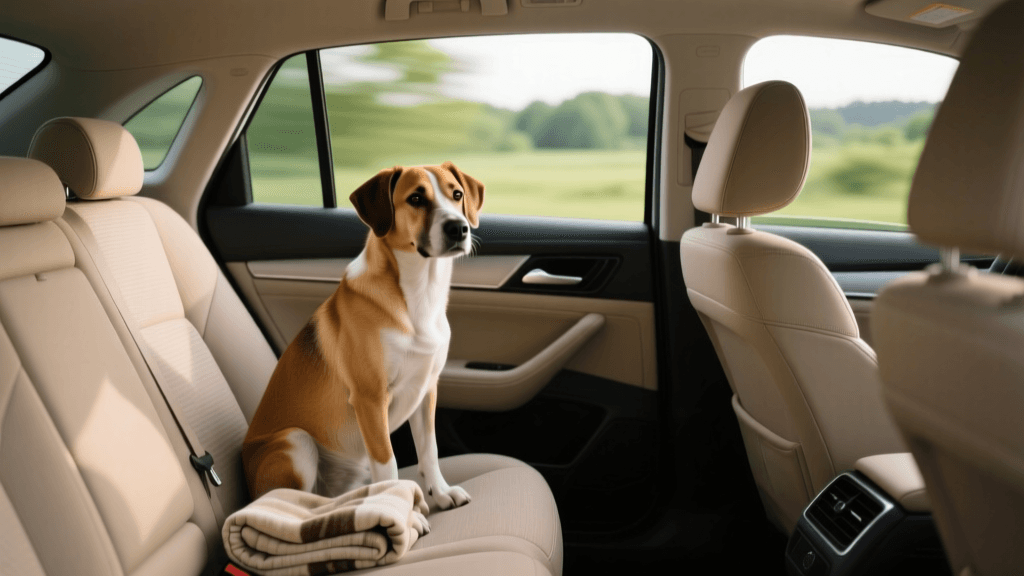
Step 2: The Decompression Transition. When you arrive at the location, do not immediately unclip the carabiner. Stand still, let your dog shake off the car ride (a natural stress-relieving behavior), and allow them to sniff the perimeter. Take a deep breath yourself; your dog will read your relaxed body language.
Step 3: Leash Handling Mechanics. Hold the long line in loops in your hand, never wrapped around your wrist or fingers, to prevent degloving injuries if the dog bolts. As your dog moves forward, feed the line out. If they stop to sniff, stop walking. Become a tree. Let them investigate a single patch of grass for five minutes if they wish. The patience you show here is the core of the viral trend.
Step 4: The 'Check-In' Reward. Every time your dog voluntarily looks back at you or walks back toward you without being called, mark the behavior with a 'yes!' and toss a treat into the grass for them to find. This builds engagement without breaking their decompression state.
Safety Considerations and Etiquette
While Sniffaris are incredible for mental health, the unstructured nature requires heightened situational awareness from the handler.
- Tick and Foxtail Checks: Because your dog will be plunging into tall grass and underbrush, you must perform a thorough full-body check immediately after the walk. Pay special attention to the ears, paw pads, and armpits where foxtails and ticks love to hide.
- Toxic Flora and Fauna: Familiarize yourself with local toxic plants (like sago palm or oleander) and seasonal hazards like toxic mushrooms or blue-green algae in nearby ponds. Teach a solid 'leave it' cue specifically for items in their mouth, but allow them to sniff everything else.
- Wildlife Encounters: Keep your dog on the long line in areas known for snakes, porcupines, or aggressive wildlife. A 30-foot leash gives them freedom but ensures you can step on the line to secure them if a skunk or coyote appears.
- Trail Etiquette: If you are on a shared multi-use trail, practice 'leash yoga.' Gather your loops and step off the trail to let hikers, bikers, and on-leash reactive dogs pass safely without your long line tangling around their legs.
Transforming Your Daily Routine
Incorporating the Sniffari trend into your life with your dog does not mean you must abandon traditional walks. A balanced routine might include a brisk, structured 20-minute neighborhood walk in the morning for potty and physical movement, followed by a 30-minute Sniffari in a local park in the evening to wind down and promote deep sleep. By shifting your perspective from 'walking the dog' to 'experiencing the world through their nose,' you will likely notice a profound decrease in household destruction, barking, and anxiety. The viral dog walking trend is here to stay, simply because the science—and the results—speak for themselves.
aaron-whyte
All our authors care for dogs every day — read more of their work on the authors page.