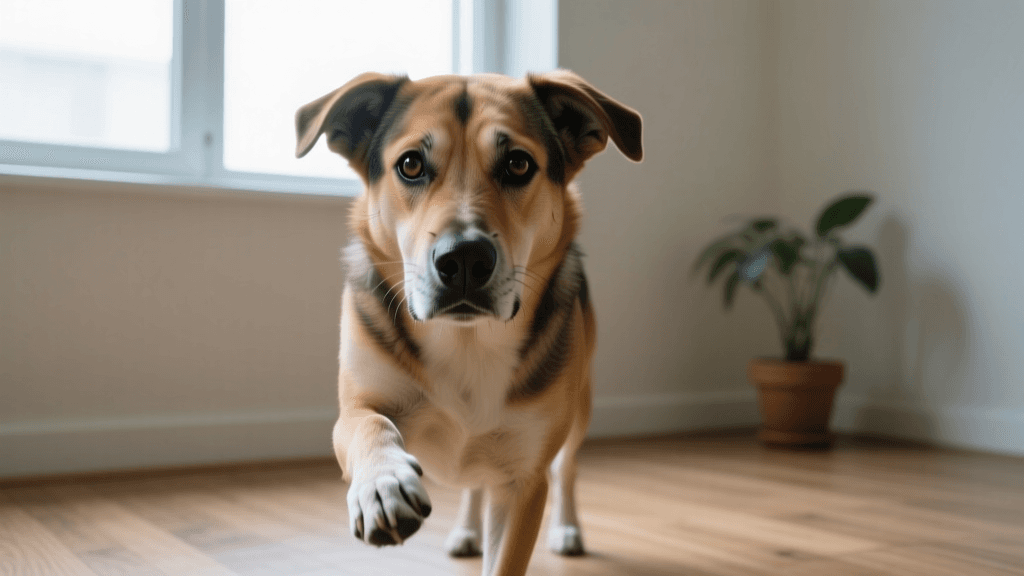
Dog Play vs. Dog Fighting: Side-by-Side Body Language Guide
Learn to tell the difference between healthy dog play and real aggression. Our side-by-side guide breaks down canine body language, vocalizations, and warnings.

The Fine Line Between Canine Play and Aggression
For many dog owners, a trip to the local dog park or a backyard playdate is a daily ritual. Watching dogs wrestle, chase, and tumble is one of the greatest joys of pet ownership. However, canine play can look and sound remarkably violent to the untrained eye. Bared teeth, deep growls, and body slamming are all common features of healthy dog play, but they are also hallmark signs of canine aggression. Misinterpreting these signals can lead to unnecessary interventions that frustrate your dog, or worse, a failure to intervene when a real fight is brewing.
Understanding the psychology behind canine communication is essential. According to the ASPCA's comprehensive dog care resources, understanding the nuances of canine body language is the first step in preventing dog bites and ensuring safe socialization. Dogs use a complex system of 'meta-signals' to communicate that their aggressive-looking actions are actually just a game. When these meta-signals disappear, play has crossed the line into true aggression.
The Core Differences: Play vs. Aggression
Healthy canine play is characterized by elasticity, role reversal, and self-handicapping. Dogs will take turns being the chaser and the chased, and larger or more powerful dogs will intentionally handicap themselves by rolling onto their backs or softening their bite to keep the game fair and fun. True aggression, on the other hand, is rigid, linear, and goal-oriented. An aggressive dog is not trying to sustain a game; they are trying to create distance, defend a resource, or eliminate a perceived threat.
The Association of Professional Dog Trainers (APDT) emphasizes that play should always feature these meta-signals, such as the classic 'play bow,' which tells the other dog that any subsequent rough behavior is not a real threat. When dogs are fighting, these signals are entirely absent, replaced by stiff posturing and direct, unblinking stares.
Side-by-Side Comparison: Play vs. Fighting
To help you accurately assess your dog's interactions, refer to this side-by-side comparison chart detailing the specific physical and vocal cues of both behaviors.
| Behavioral Feature | Healthy Dog Play | True Aggression / Fighting |
|---|---|---|
| Body Posture | Loose, wiggly, and bouncy. Dogs may perform 'play bows' (front end down, rear end up). | Stiff, rigid, and tense. Weight is shifted forward onto the front legs in a confrontational stance. |
| Facial Expressions | Relaxed, open mouth ('play face'). Eyes are soft and may blink frequently. | Lips pulled back vertically to expose gums. Hard, unblinking stare with a wrinkled muzzle. |
| Vocalizations | Exaggerated, high-pitched growls or 'huffing' sounds. Frequent, bouncy barking. | Low, guttural, and continuous growls. Sudden, sharp snarls or complete, eerie silence. |
| Movement & Pacing | Erratic, circular movements. Dogs will pause, shake off, and restart the game. | Direct, linear, and rapid approach. No pausing or shaking off; movements are locked onto the target. |
| Role Reversal | Frequent. The dog on top will roll over to let the other dog 'win' and chase them. | None. One dog continuously dominates, pins, or pursues the other without taking turns. |
| Biting Style | Mouthing, inhibited bites, and grabbing loose scruff or neck rolls without breaking skin. | Hard, targeted bites aimed at the legs, stomach, or neck. Intent to puncture or tear. |
Breed-Specific Play Styles: Context Matters
When comparing play to fighting, it is crucial to factor in your dog's breed-specific instincts. Not all dogs play the same way, and a behavior that looks aggressive in one breed is entirely normal in another.
- Herding Breeds (Border Collies, Australian Shepherds): These dogs often play by nipping at heels and attempting to control the movement of their playmate. While this can frustrate non-herding dogs, it is a natural expression of their working instincts, not an act of malice.
- Terriers (Jack Russells, Bull Terriers): Terriers are notoriously physical wrestlers. They tend to play with intense vocalizations, frequent body slamming, and a high level of arousal. To an outsider, a terrier play session might look like a fight, but as long as role reversal is present, it is healthy play.
- Boxers and Bulldogs: These breeds are famous for using their front paws to 'box' and bat at their playmates. They also tend to have flat faces (brachycephalic), which makes their breathing sound like loud snorts or growls, even when they are completely relaxed and happy.
'A dog's play style is heavily influenced by its genetic background. What looks like a predatory attack to a novice owner might simply be a terrier expressing its breed-typical wrestling style. Always look for the underlying tension rather than just the physical action.' — Canine Behavior Specialist
Actionable Advice: The 'Consent Test' and Safe Intervention
Even with a side-by-side guide, real-world scenarios can be ambiguous. If you are unsure whether your dog is enjoying the interaction or becoming overwhelmed, use the 3-Second Consent Test. This is a highly effective, actionable method recommended by behaviorists to gauge a dog's true feelings.
How to Perform the Consent Test
- Interrupt the Play: Calmly call your dog away from their playmate, or gently leash them and guide them a few feet away.
- Wait 3 Seconds: Hold your dog loosely and observe their body language. Do not force them to stay; just give them a brief pause.
- Release and Observe: Let your dog go. If they immediately rush back to the other dog, bow, or initiate the game again, they are consenting to play. If they shake off, walk away, sniff the ground, or stay close to you, they were likely feeling stressed or over-aroused and needed the break.
Intervention Tools and Timing
If the consent test reveals that play is too intense, or if you spot the rigid signs of aggression from the comparison table above, you must intervene. Timing is critical: step in within 3 to 5 seconds of noticing stiff body language or a hard stare, before the dog reaches their stress threshold, as noted in behavioral guidelines published by the American Kennel Club (AKC) expert advice portal.
Having the right tools on hand at the dog park can make intervention safe and effective:
- High-Value Recall Treats: Carry freeze-dried liver or beef lung (brands like Stella & Chewy's or Ziwi Peak, costing approximately $18 to $24 per bag). The strong scent and high value can break a dog's hyper-focus on their playmate and redirect their attention to you.
- Pet Corrector (Compressed Air): Costing around $12 to $15, this small canister emits a loud 'hiss' sound that mimics a snake or a cat. It is an excellent, non-harmful way to interrupt a staring contest or a low growl from a distance without physically grabbing the dogs.
- Physical Barriers: If a fight is imminent, never use your hands to separate them. Instead, use a physical barrier. A folding pet playpen panel (approx. $40) or even throwing a heavy jacket over a dog's head can break their visual lock and safely de-escalate the situation.
When to Call a Professional
While occasional squabbles over a toy or a misunderstood greeting are normal, repeated aggression is a serious behavioral issue. If your dog consistently fails the consent test, displays rigid body language during greetings, or has a history of biting that breaks the skin, it is time to seek professional help. A certified veterinary behaviorist or a certified professional dog trainer (CPDT-KA) can help you implement a desensitization and counter-conditioning protocol tailored to your dog's specific triggers. Understanding your dog's body language is a lifelong learning process, but mastering these side-by-side comparisons will ensure that your dog's social life remains safe, fun, and enriching.
tom-renshaw
All our authors care for dogs every day — read more of their work on the authors page.