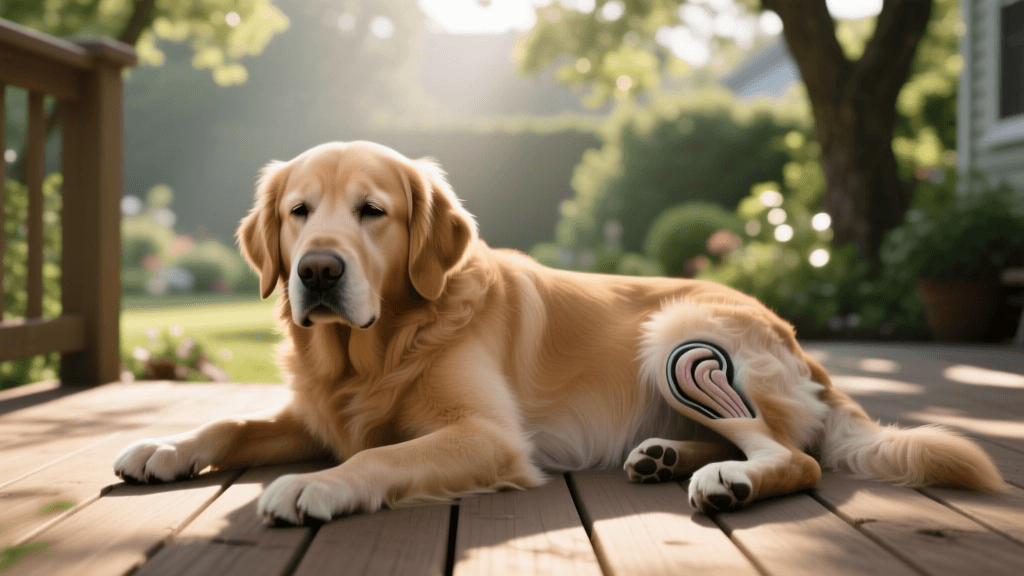
Understanding Canine Osteoarthritis Pain Signals & 2026 Treatments
Learn to decode your dog's hidden osteoarthritis pain signals and explore the latest 2026 veterinary treatments, from anti-NGF therapy to joint care.
The Evolutionary Psychology of Hidden Pain
To truly understand your dog, you must first understand their evolutionary history. In the wild, a wolf or wild canine that displays obvious signs of weakness, injury, or chronic pain becomes an immediate target for predators or risks ostracization from the pack. Because of this deeply ingrained survival instinct, domestic dogs are masters at masking physical discomfort. They do not cry out, whine, or dramatically limp until the pain is catastrophic and unavoidable. Instead, they exhibit subtle "coping behaviors" that many owners mistakenly attribute to normal aging or sudden behavioral issues.
Osteoarthritis (OA) is the most common cause of chronic pain in dogs, affecting roughly 20% of adult dogs and over 80% of dogs over the age of eight. According to the Cornell University College of Veterinary Medicine, OA is a progressive, degenerative joint disease that leads to the breakdown of cartilage, chronic inflammation, and severe mobility restrictions. However, because dogs hide this pain so effectively, the psychological and behavioral shifts are often the very first indicators that your dog needs help. By 2026, veterinary medicine has shifted from merely reacting to visible lameness to proactively managing pain through advanced biologics and behavioral monitoring.
Decoding the Subtle Behavioral Shifts of Osteoarthritis
Before exploring the latest 2026 treatment protocols, it is crucial to recognize the psychological and behavioral red flags of canine osteoarthritis. If your dog is exhibiting any of the following changes, they are likely communicating chronic joint pain:
- The "Grumpy" Senior: A historically sweet dog may suddenly snap, growl, or walk away when petted, especially near the hindquarters, hips, or lower spine. This is not a loss of temperament; it is a defensive reaction to anticipated touch-induced pain.
- Greeting and Routine Changes: A dog that used to jump excitedly at the door or bound up the stairs to wake you may now offer a seated tail wag or wait at the bottom of the stairs. They are making subconscious calculations about the energy and pain cost of vertical movement.
- Sleep Architecture Disruption: Chronic pain prevents deep REM sleep. You may notice your dog pacing at night, frequently changing positions, or seeking out cold, hard surfaces (like the bathroom tile or bathtub) to soothe inflamed, heat-radiating joints.
- Unexplained House Soiling: Incontinence or indoor accidents in a fully house-trained senior dog are rarely behavioral regressions. More often, the dog is experiencing severe stiffness and cannot navigate slippery floors or stairs in time to reach the outdoors.
- Loss of Appetite or Water Intake: If food and water bowls are placed on the floor, a dog with severe cervical (neck) or shoulder OA will associate eating with sharp pain, leading to a mysterious drop in appetite.
The 2026 Veterinary Standard of Care for Canine OA
The landscape of canine osteoarthritis treatment has undergone a massive paradigm shift by 2026. We have moved away from relying solely on daily Non-Steroidal Anti-Inflammatory Drugs (NSAIDs), which can carry long-term risks for the liver, kidneys, and gastrointestinal tract. Today, the standard of care focuses on targeted biologics, multimodal analgesia, and regenerative medicine.
Anti-NGF Monoclonal Antibodies
The most significant breakthrough in recent years, which has now become a foundational baseline treatment in 2026, is the use of anti-Nerve Growth Factor (NGF) monoclonal antibodies, such as bedinvetmab (Librela). NGF is a protein that becomes overexpressed in damaged joints, amplifying pain signals to the brain. By administering a monthly subcutaneous injection, these antibodies specifically neutralize NGF, effectively turning down the volume of the pain signal without processing through the liver or kidneys. This has been life-changing for senior dogs with underlying metabolic or renal conditions who previously could not tolerate daily NSAIDs.
Targeted NSAIDs and Multimodal Analgesia
For breakthrough pain or acute flare-ups, veterinarians in 2026 frequently prescribe grapiprant (Galliprant), a piprant drug that specifically blocks the EP4 prostaglandin receptor—the primary mediator of OA pain and inflammation. This targeted approach minimizes the systemic side effects associated with older, traditional NSAIDs. Additionally, adjunctive medications like gabapentin (for nerve pain) and amantadine (to prevent central sensitization, where the nervous system becomes hyper-reactive to chronic pain) are routinely combined to create a comprehensive pain-blocking network.
Regenerative and Cellular Therapies
Regenerative medicine is no longer experimental. Adipose-derived stem cell therapy and Platelet-Rich Plasma (PRP) injections are widely available in 2026. These therapies are injected directly into the affected joints to modulate inflammation, promote tissue healing, and slow the degradation of remaining cartilage. The U.S. Food and Drug Administration (FDA) continues to monitor and guide the safe application of these cellular therapies, ensuring that veterinary clinics adhere to strict safety and efficacy protocols.
2026 Canine OA Treatment Comparison Matrix
Choosing the right protocol requires a tailored approach based on your dog's age, organ health, and the severity of the disease. Below is a comparison of the primary treatment modalities available in 2026.
| Treatment Modality | Mechanism of Action | Ideal Candidate | 2026 Est. Monthly Cost |
|---|---|---|---|
| Anti-NGF (Bedinvetmab) | Neutralizes Nerve Growth Factor to stop pain signaling | Senior dogs, dogs with renal/liver concerns, moderate-to-severe OA | $75 - $130 |
| EP4 Antagonist (Grapiprant) | Blocks specific prostaglandin receptors driving inflammation | Active dogs with early-stage OA, acute flare-ups | $50 - $90 |
| Joint Nutraceuticals (e.g., Dasuquin Advanced) | Provides ASU, glucosamine, and antioxidants for cartilage matrix support | Large breed puppies (prevention), mild OA maintenance | $40 - $70 |
| PRP / Stem Cell Therapy | Intra-articular injection to modulate inflammation and promote healing | Dogs with localized joint damage (e.g., single knee or hip) | $800 - $1,500 (One-time/Semi-annual) |
| Therapeutic Laser (Class IV) | Photobiomodulation to increase cellular ATP and reduce local swelling | Post-operative recovery, localized spinal or joint pain | $40 - $60 per session |
Psychological Enrichment for Mobility-Restricted Dogs
Understanding your dog means recognizing that physical exercise is deeply tied to their psychological well-being. When a dog loses the ability to run, hike, or play fetch due to OA, they do not just lose physical conditioning; they lose their primary source of dopamine and mental stimulation. This sudden restriction often leads to canine depression, anxiety, and destructive behaviors born of boredom.
As highlighted by the American Kennel Club (AKC), mental enrichment is just as critical as medical management for arthritic dogs. You must replace high-impact physical exercise with low-impact cognitive challenges. In 2026, veterinary behaviorists highly recommend the following modifications:
- Scent Work and Nose Games: A dog's olfactory system requires massive amounts of brainpower. Hiding high-value treats around the house or using specialized snuffle mats allows your dog to "hunt" and expend mental energy without stressing their joints.
- Interactive Puzzle Feeders: Ditch the food bowl. Using puzzle toys that require your dog to slide, lift, or nose-open compartments to access their kibble turns mealtime into a 20-minute cognitive workout.
- Lick Mats and Frozen Enrichment: The physical act of licking releases endorphins in a dog's brain, providing a natural soothing effect. Spreading plain pumpkin puree or low-sodium bone broth on a textured lick mat and freezing it can calm an anxious, pain-frustrated dog for hours.
Environmental Modifications for Joint Preservation
Medical treatment must be paired with environmental empathy. Look at your home from your dog's perspective. Slippery hardwood floors are like ice rinks for a dog with compromised hip stability. In 2026, interior design for senior dogs includes interlocking foam or rubber-backed runner rugs in all primary transit zones. Furthermore, investing in high-density, orthopedic memory foam beds (at least 4 inches thick) prevents pressure sores and supports joint alignment during sleep. Finally, utilizing ramp systems with gentle inclines (ideally a 1:4 slope ratio) for vehicle entry and furniture access preserves the remaining cartilage by eliminating the explosive force of jumping.
Partnering With Your Veterinarian
Ultimately, understanding your dog's silent language of pain is the catalyst for improving their quality of life. Osteoarthritis is not a disease that can be cured, but with the remarkable 2026 advancements in anti-NGF biologics, targeted analgesics, and cognitive enrichment, it is a condition that can be masterfully managed. Schedule a comprehensive pain-assessment with your veterinarian, discuss the behavioral shifts you have observed at home, and build a multimodal treatment plan that honors your dog's physical limits while celebrating their enduring spirit.
robin-maitland
All our authors care for dogs every day — read more of their work on the authors page.