Science-Backed Dog Longevity Hacks to Add Years to Their Life
Discover viral, science-backed dog longevity hacks. Learn about time-restricted feeding, top supplements, and insights from the Dog Aging Project.
The Viral Quest for Canine Longevity
If you have spent any time on TikTok, Instagram, or Reddit's dog communities lately, you have likely noticed a massive shift in how pet parents approach canine health. The trend is no longer just about treating sickness; it is about biohacking for canine longevity. Owners are actively seeking science-backed methods to extend their dogs' healthspans, ensuring their furry best friends live not just longer, but healthier, more vibrant lives. From time-restricted feeding protocols to cutting-edge longevity supplements, the modern dog owner is treating their pet's aging process as a modifiable biological pathway rather than an inevitable decline.
What is the Dog Aging Project?
At the center of this viral movement is The Dog Aging Project, a groundbreaking, long-term study that has enrolled tens of thousands of dogs across the United States. The project aims to understand how genes, lifestyle, and environment influence aging in dogs. Because dogs share our environment and develop many of the same age-related diseases (like cancer, heart disease, and cognitive decline), they are the perfect model for longevity research. The insights generated from this massive citizen-science project are currently fueling the most popular canine biohacking trends you see on social media today.
Trending Longevity Hack 1: Time-Restricted Feeding (TRF)
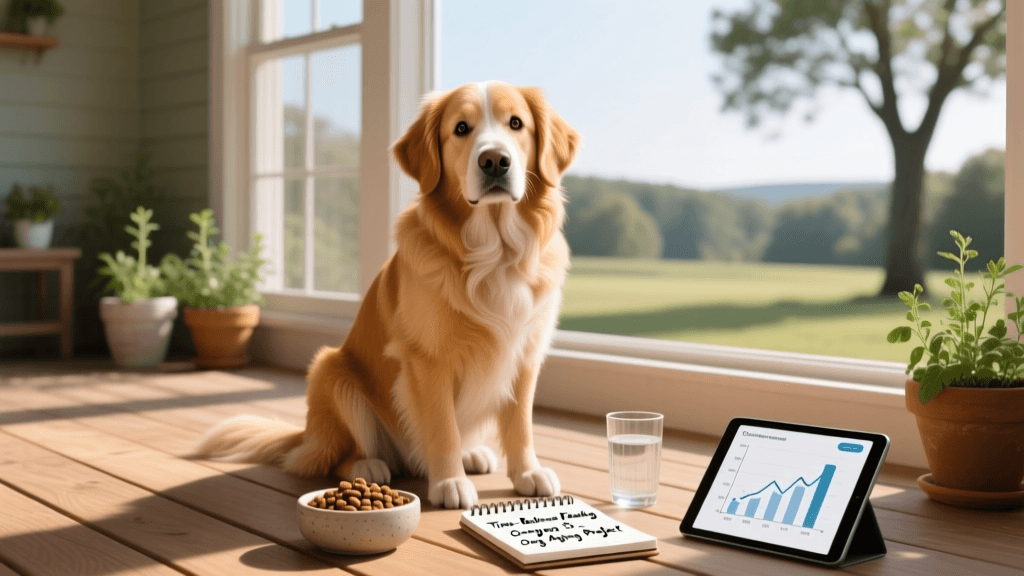
One of the most accessible and entirely free longevity hacks trending in the canine wellness space is Time-Restricted Feeding (TRF). Inspired by human intermittent fasting protocols, TRF involves limiting your dog's eating window to a specific timeframe, typically between 8 to 12 hours. For example, you might feed your dog their first meal at 8:00 AM and their second (and final) meal at 6:00 PM, allowing for a 14-hour fasting window overnight.
The Science: Fasting triggers a cellular cleanup process called autophagy, where the body clears out damaged cells and regenerates new, healthier ones. While continuous grazing (leaving a bowl of kibble out all day) keeps insulin levels perpetually elevated and suppresses autophagy, a defined fasting window allows your dog's digestive system to rest and repair. According to early observational data from longevity researchers, dogs fed once a day or within a tight window tend to show lower incidences of age-related metabolic disorders and improved insulin sensitivity.
Actionable Advice: Transition slowly. If your dog is used to grazing or eating late at night, shift their final meal 30 minutes earlier every few days until you reach a 12-to-14-hour overnight fast. Eliminate late-night training treats to ensure the fasting window remains unbroken. Always ensure fresh water is available 24/7, as fasting only applies to caloric intake, not hydration.
Trending Longevity Hack 2: Targeted Cellular Supplements
The supplement aisle for dogs has exploded, but biohackers are moving beyond standard multivitamins. The current viral focus is on compounds that reduce systemic inflammation, support mitochondrial function, and activate cellular defense pathways. Here is a breakdown of the most highly regarded longevity supplements currently dominating the canine wellness space.
| Supplement | Primary Longevity Benefit | Target Dosage (for a 30lb Dog) | Est. Monthly Cost |
|---|---|---|---|
| Green-Lipped Mussel (GLM) | Joint preservation, cellular repair, rich in ETA (eicosatetraenoic acid) | 15-20 mg per lb of body weight | $15 - $25 |
| Astaxanthin | Potent antioxidant, crosses blood-brain barrier for cognitive support | 1 - 2 mg daily | $10 - $20 |
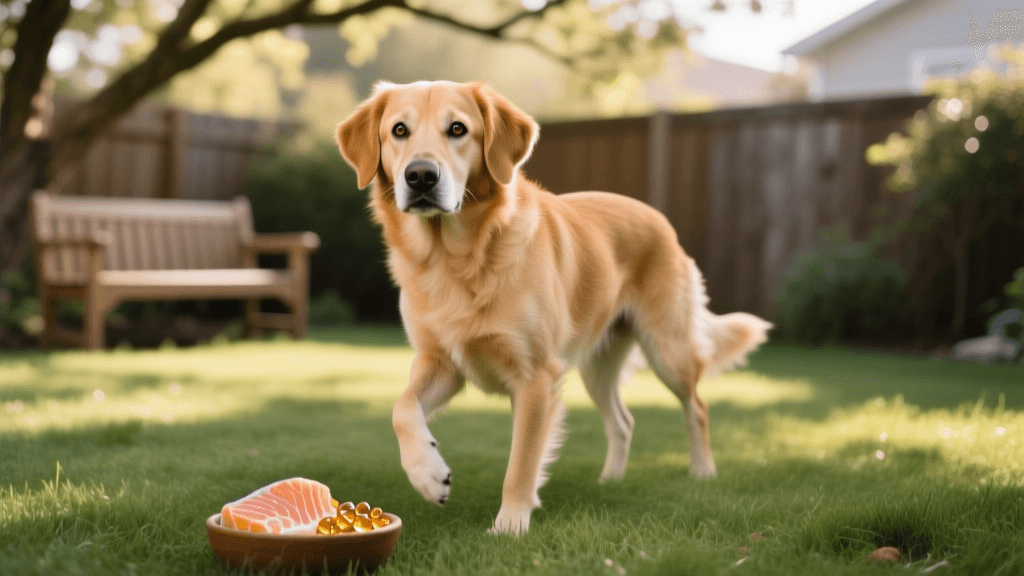
| EPA/DHA (Triglyceride Fish Oil) | Reduces systemic inflammation, supports cardiovascular health | 300mg combined EPA/DHA | $12 - $18 |
| Sulforaphane (Broccoli Sprout Extract) | Activates Nrf2 pathway for cellular detox and antioxidant production | 1 - 2 mg per kg of body weight | $20 - $30 |
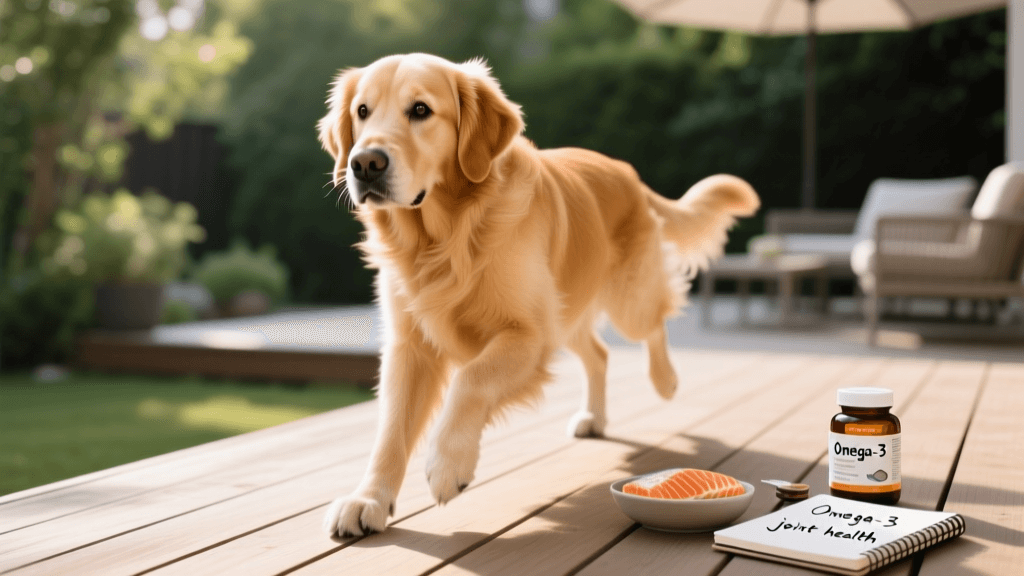
Product Recommendations: When sourcing these, look for brands that provide third-party testing. For fish oil, Nordic Naturals Omega-3 Pet is a gold standard for triglyceride-form bioavailability. For Green-Lipped Mussel, single-ingredient freeze-dried powders (like those from Super Snouts or Green Rover) ensure the delicate ETA fatty acids are not destroyed by heat processing.
The Rapamycin Buzz: Should You Give It to Your Dog?
If you follow canine longevity influencers, you have undoubtedly heard of Rapamycin. Originally discovered in the soil of Easter Island and used in humans as an immunosuppressant for organ transplants, Rapamycin has been shown in mice and other model organisms to significantly extend lifespan by inhibiting mTOR (mechanistic target of rapamycin), a protein that regulates cell growth and metabolism. Inhibiting mTOR essentially tricks the cells into a state of fasting and repair, even when nutrients are present.
Currently, The Dog Aging Project's TRIAD Study (Testing Rapamycin In Aging Dogs) is conducting a rigorous, double-blind, placebo-controlled clinical trial to see if low-dose Rapamycin can safely extend the lives of middle-aged and older dogs. The viral buzz has led some desperate owners to seek out the drug off-label from compounding pharmacies or international sources.
The Verdict: Veterinary experts strongly advise against DIY Rapamycin administration. While the potential is incredibly exciting, the long-term side effects, optimal dosing schedules, and contraindications (such as pre-existing kidney or liver issues) in dogs are still being mapped out. Until the TRIAD study publishes its peer-reviewed conclusions, the safest approach to cellular regulation is through natural mTOR modulators like the fasting protocols and sulforaphane mentioned above.
Cognitive Longevity: The 'Sniffari' and Environmental Enrichment
Physical health is only half the longevity equation; cognitive decline (Canine Cognitive Dysfunction) is a major factor in senior dogs. The viral antidote to canine dementia is the 'Sniffari.' Instead of a brisk, 20-minute heel-walk around the block, owners are taking their dogs on slow, decompression walks where the dog dictates the pace and spends the majority of the time sniffing.
The Science: A dog's olfactory bulb is directly connected to the limbic system, which handles memory and learning. Sniffing is a highly intensive cognitive task that tires a dog out mentally and builds new neural pathways. Furthermore, these decompression walks have been shown to improve heart rate variability (HRV) and lower cortisol levels in anxious or reactive dogs. To supplement this, biohackers use puzzle feeders (like the Outward Hound Dog Brick or Kong Classic) to force dogs to problem-solve for their meals, keeping their brains sharp and engaged well into their senior years. For more on maintaining mental acuity, the American Kennel Club's senior dog care guidelines emphasize the importance of adapting exercise and mental stimulation as dogs age.
Your Daily Longevity Action Plan
- Morning (8:00 AM): Serve breakfast in a puzzle toy to stimulate cognitive function. Add a pump of high-quality EPA/DHA fish oil and a dash of freeze-dried Green-Lipped Mussel powder.
- Mid-Day (12:00 PM): Embark on a 30-minute 'Sniffari' in a natural, green environment to lower cortisol levels and provide rich olfactory enrichment.
- Evening (6:00 PM): Serve the final meal of the day within a time-restricted window. Include a canine-safe antioxidant like a small piece of wild blueberries or a measured dose of astaxanthin.
- Night (6:00 PM to 8:00 AM): Initiate the fasting window. Allow the dog's digestive system to rest, promoting cellular autophagy and metabolic health.
Final Thoughts on Canine Biohacking
The viral trend of canine longevity is a beautiful evolution in how we care for our pets. By moving away from reactive veterinary care and embracing proactive, science-backed lifestyle modifications, we can profoundly impact our dogs' healthspans. Whether you are implementing time-restricted feeding, carefully selecting targeted cellular supplements, or simply giving your dog the time to stop and smell the roses on a daily Sniffari, these actionable steps are your best defense against the clock. Always consult with a forward-thinking, integrative veterinarian before introducing new supplements or drastically altering your dog's diet, ensuring that your longevity protocol is perfectly tailored to your dog's unique biological needs.
robin-maitland
All our authors care for dogs every day — read more of their work on the authors page.