Diagnosing and Managing Canine Osteoarthritis: A Complete Guide
Learn how to diagnose canine osteoarthritis and explore effective treatment solutions, from NSAIDs and joint supplements to weight management plans.
Understanding Canine Osteoarthritis: The Silent Epidemic
Osteoarthritis (OA), also known as degenerative joint disease, is a progressive, chronic condition that affects the cartilage, bone, and surrounding tissues of a dog's joints. According to the VCA Animal Hospitals, osteoarthritis is estimated to affect 20% of adult dogs and up to 80% of senior dogs over the age of eight. Unlike acute injuries, OA develops slowly, often masking itself behind subtle behavioral changes until the pain becomes severe. As a proactive dog owner, understanding the diagnostic process and implementing a multi-modal treatment plan is critical for preserving your dog's mobility and quality of life.
How to Diagnose Osteoarthritis in Dogs
Because dogs are stoic animals, they rarely vocalize chronic joint pain. Instead, they adapt their movements to compensate for discomfort. Diagnosing OA requires a combination of keen home observation and professional veterinary diagnostics.
Observational Symptoms at Home
Before visiting the vet, monitor your dog for the following subtle signs of joint degradation:
- Stiffness after rest: Difficulty rising from a lying position, especially in the morning or after naps, which improves slightly with mild movement.
- Reluctance to perform previously enjoyed activities: Hesitation to jump into the car, climb stairs, or catch a frisbee.
- Altered gait or limping: A noticeable 'bunny-hopping' gait in the hind legs or a shortened stride in the front legs.
- Behavioral changes: Increased irritability, reluctance to be petted around the hips or spine, and excessive licking or chewing at specific joints.
- Muscle atrophy: Noticeable thinning of the thigh muscles (quadriceps) due to decreased weight-bearing on the affected limb.
Veterinary Diagnostic Procedures
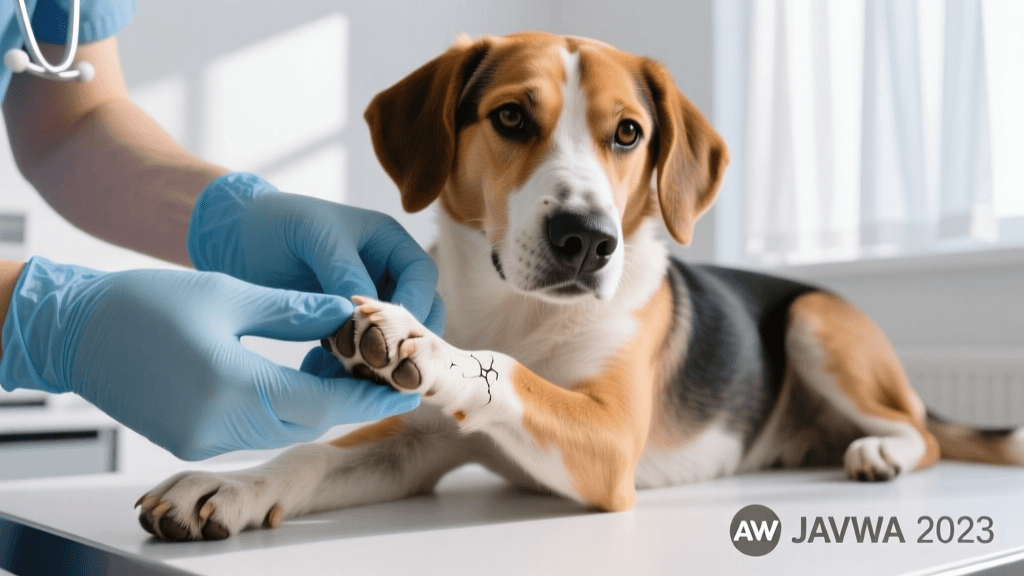
The American College of Veterinary Surgeons (ACVS) emphasizes that a definitive diagnosis requires a comprehensive orthopedic examination. Your veterinarian will perform joint palpation to check for crepitus (a grating sensation caused by bone rubbing on bone), joint effusion (swelling), and a reduced range of motion. Following the physical exam, radiographs (X-rays) are the gold standard for confirming OA. X-rays will reveal hallmark signs such as osteophytes (bone spurs), subchondral bone sclerosis (thickening of the bone beneath the cartilage), and narrowed joint spaces.
Comprehensive Treatment Solutions for Canine OA
There is no cure for osteoarthritis, but a multi-modal management strategy can significantly slow disease progression and eliminate daily pain. Below are the most effective, actionable solutions categorized by approach.
1. Weight Management and Dietary Adjustments
Excess body weight is the single most modifiable risk factor for OA progression. Every extra pound places exponential stress on compromised joints. Your goal should be to maintain your dog at a Body Condition Score (BCS) of 4/9 or 5/9, where the ribs are easily palpable without a thick fat covering, and an abdominal tuck is visible. Work with your vet to calculate your dog's Resting Energy Requirement (RER) and feed a prescription joint-support diet (such as Hill's Prescription Diet j/d or Royal Canin Joint Support) that is clinically formulated with high levels of Omega-3 fatty acids.
2. Pharmaceutical Interventions
When environmental and dietary changes are insufficient, pharmaceuticals are necessary to break the pain cycle. Non-Steroidal Anti-Inflammatory Drugs (NSAIDs) like Carprofen (Rimadyl) or Meloxicam are the first line of defense, reducing both pain and joint inflammation. For dogs that cannot tolerate traditional NSAIDs due to kidney or liver concerns, Grapiprant (Galliprant) offers a targeted alternative that blocks the specific prostaglandin receptor responsible for OA pain, sparing the gastrointestinal and renal systems. Always consult your veterinarian for precise dosing, as NSAID toxicity can occur if overdosed or combined with steroids.
3. Joint Supplements and Nutraceuticals
Nutraceuticals provide the building blocks for cartilage repair and synovial fluid viscosity. Look for supplements containing a synergistic blend of Glucosamine Hydrochloride, Chondroitin Sulfate, and MSM. The American Kennel Club (AKC) frequently highlights the efficacy of veterinary-grade supplements like Dasuquin Advanced or Cosequin, which include ASU (Avocado/Soybean Unsaponifiables) to further prevent cartilage breakdown. Additionally, supplementing with high-quality Omega-3 fish oils (aiming for a combined EPA/DHA dose of roughly 300mg per 10kg of body weight daily) provides potent systemic anti-inflammatory benefits.
4. Environmental Modifications and Physical Therapy
Adapting your home environment reduces the mechanical load on your dog's joints. Invest in an orthopedic dog bed with memory foam (such as the Big Barker 7-inch Pillow Top) to prevent pressure sores and support joint alignment during sleep. Place non-slip rugs or yoga mats over hardwood and tile floors to prevent splaying and micro-injuries. Use a sturdy, graded ramp (like the PetSafe Happy Ride Folding Ramp) for car entry and exit. For active rehabilitation, veterinary-approved hydrotherapy (underwater treadmill) and cold laser therapy can build muscle mass without placing concussive forces on the joints.
Comparing Common Osteoarthritis Treatments
Choosing the right combination of therapies depends on your dog's specific stage of OA, your budget, and your dog's medical history. The table below outlines the primary medical and supplemental interventions used in modern veterinary practice.
| Treatment Modality | Common Examples | Estimated Monthly Cost | Onset of Action | Primary Benefit |
|---|---|---|---|---|
| NSAIDs | Carprofen, Meloxicam | $30 - $80 | Hours to Days | Rapidly reduces acute pain and joint inflammation |
| Joint Supplements | Dasuquin Advanced, Cosequin | $40 - $75 | 4 to 6 Weeks | Provides cartilage building blocks and slows degradation |
| Injectable Chondroprotectants | Adequan Canine (PSGAG) | $50 - $100 (per session) | 2 to 4 Weeks | Inhibits cartilage-destroying enzymes, improves synovial fluid |
| Omega-3 Fatty Acids | Nordic Naturals Omega-3 Pet | $20 - $40 | 3 to 4 Weeks | Provides natural, systemic anti-inflammatory support |
| Targeted Pain Modulators | Galliprant (Grapiprant) | $70 - $150 | Hours to Days | Blocks specific OA pain pathways with fewer GI side effects |
Long-Term Monitoring and Quality of Life
Managing canine osteoarthritis is a lifelong commitment. What works for your dog at age eight may need to be adjusted by age ten. Keep a 'mobility journal' to track your dog's daily activity levels, stiffness, and response to medications. Schedule bi-annual veterinary check-ups to monitor liver and kidney values if your dog is on long-term NSAIDs, and to reassess their orthopedic status. By combining early diagnosis, strict weight management, targeted pharmaceuticals, and environmental support, you can ensure your canine companion remains active, comfortable, and happy well into their senior years.
tom-renshaw
All our authors care for dogs every day — read more of their work on the authors page.