French Bulldog Respiratory Health: Managing BOAS & Heat
Learn how to manage Brachycephalic Obstructive Airway Syndrome (BOAS) and heat intolerance in French Bulldogs with expert veterinary and cooling tips.
The Anatomical Reality of the French Bulldog
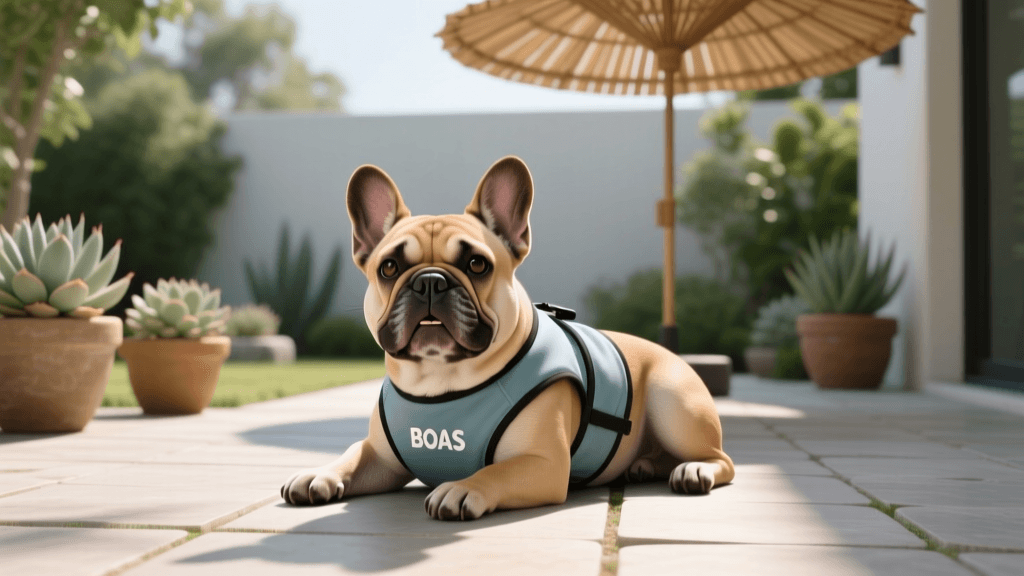
The French Bulldog has skyrocketed in popularity over the last decade, beloved for its bat-like ears, affectionate nature, and compact size. However, the very features that make this breed so visually distinctive—specifically the shortened skull and flat facial profile—come with severe physiological compromises. As a brachycephalic breed, French Bulldogs are predisposed to a cluster of upper respiratory abnormalities collectively known as Brachycephalic Obstructive Airway Syndrome (BOAS).
BOAS is not merely a quirky breed trait; it is a progressive, debilitating condition. The syndrome typically involves a combination of stenotic nares (narrowed nostrils), an elongated soft palate that obstructs the larynx, a hypoplastic (narrow) trachea, and everted laryngeal saccules. Over time, the increased negative pressure required to draw air through these restricted pathways can lead to secondary complications, including laryngeal collapse and severe gastrointestinal issues like hiatal hernias and chronic acid reflux.
Recognizing the Signs of Respiratory Distress
Many owners mistakenly believe that loud snoring, snorting, and 'reverse sneezing' are simply normal characteristics of owning a Frenchie. In reality, these are primary indicators of respiratory distress. A healthy dog should be able to breathe silently at rest. When a French Bulldog struggles to move air, it expends massive amounts of energy just to perform basic respiration, leading to chronic fatigue and exercise intolerance.
According to the PDSA (People's Dispensary for Sick Animals), warning signs of moderate to severe BOAS include prolonged recovery times after mild exercise, cyanosis (blue or purple gums indicating oxygen deprivation), syncope (fainting spells), and frequent regurgitation of bile or undigested food. Recognizing these signs early is critical for improving your dog's quality of life and lifespan.
The Cambridge BOAS Grading System
Veterinarians and researchers often use a standardized grading scheme, such as the one developed by the University of Cambridge, to objectively assess the severity of BOAS in brachycephalic dogs. This helps determine whether a dog requires lifestyle modifications or surgical intervention.
| Grade | Clinical Signs | Recommended Action |
|---|---|---|
| Grade 0 | No respiratory noise at rest or exercise. Normal breathing. | Maintain healthy weight; annual vet checks. |
| Grade I | Mild snoring/noise during exercise. Quick recovery. | Weight management; avoid heat; monitor closely. |
| Grade II | Loud noise at rest and exercise. Intermittent breathing difficulty. | Consult a veterinary surgeon; consider BOAS assessment. |
| Grade III | Severe distress, cyanosis, syncope, or sleep apnea. | Immediate surgical intervention required. |
Actionable Daily Management and Environmental Control
Managing a French Bulldog requires proactive environmental control and specialized gear. Because their nasal passages are severely compromised, Frenchies rely heavily on panting to cool down. However, panting requires moving air rapidly over the moist tissues of the mouth and respiratory tract. Due to their elongated soft palates and narrow tracheas, this cooling mechanism is highly inefficient, making them exceptionally vulnerable to heatstroke, even in mildly warm weather (above 70°F or 21°C).
Harness selection is critical. Never use a neck collar for walking a French Bulldog. Collars put pressure directly on the trachea, which may already be hypoplastic. A sudden pull can cause tracheal damage, coughing fits, or acute airway obstruction. Instead, use a front-clip or dual-clip harness that distributes force across the chest and shoulders.
Essential Gear for Brachycephalic Breeds
Investing in the right equipment can drastically improve your Frenchie's daily comfort and safety. Below is a breakdown of recommended gear and estimated costs.
| Product Category | Specific Recommendation | Purpose | Estimated Cost |
|---|---|---|---|
| Y-Shape Harness | Kurgo Tru-Fit Smart Harness | Removes pressure from the neck and trachea. | $25 - $35 |
| Cooling Mat | Arf Pets Self Cooling Mat | Provides conductive cooling without refrigeration. | $30 - $50 |
| Air Purifier | Levoit Core 300 (HEPA) | Reduces airborne allergens that inflame airways. | $90 - $120 |
| Nose Butter / Balm | Natural Dog Company Nose Butter | Prevents dry, cracking skin around stenotic nares. | $10 - $15 |
Weight Management: The Most Critical Non-Surgical Intervention
If there is one factor that dictates the severity of BOAS, it is body condition. Excess adipose (fat) tissue exacerbates BOAS by physically compressing the trachea and chest cavity, while also increasing the metabolic oxygen demand of the body. A French Bulldog that is even 10% over its ideal body weight will show a dramatic increase in respiratory noise and exercise intolerance.
For an average 20-pound (9 kg) French Bulldog with low activity levels, daily caloric intake should generally be restricted to between 450 and 550 kcal per day, including treats. It is vital to feed a high-quality, easily digestible diet. Furthermore, avoid foods high in fermentable fibers like peas, lentils, and soy. These ingredients can cause excessive gas and gastric dilation. In a brachycephalic dog, a bloated stomach presses upward against the diaphragm, further restricting lung expansion and worsening respiratory distress.
Supplementing with Omega-3 fatty acids (EPA and DHA) can also help reduce systemic inflammation in the upper airway tissues. Consult your veterinarian for the exact dosage based on your dog's weight, typically ranging from 300mg to 500mg of combined EPA/DHA daily.
Surgical Interventions: Timing, Procedures, and Costs
When conservative management and weight control are no longer sufficient, surgery becomes a medical necessity rather than an elective cosmetic procedure. The American College of Veterinary Surgeons (ACVS) notes that early surgical intervention—often performed between 6 and 12 months of age—can prevent the secondary, irreversible changes to the larynx that occur from years of increased respiratory effort.
The most common surgical procedures for French Bulldogs include:
- Alar Fold Resection (Nares Widening): A surgeon removes a wedge of tissue from the nostrils to open the airway. This is often done using a CO2 laser to minimize bleeding.
- Soft Palate Resection: The elongated portion of the soft palate is trimmed and sutured or sealed with a laser so it no longer blocks the entrance to the trachea.
- Laryngeal Sacculectomy: Removal of the everted saccules (small tissue pouches just inside the larynx that get sucked into the airway due to negative pressure).
The cost for a comprehensive BOAS surgery package typically ranges from $1,500 to $3,500, depending on your geographic location and whether a board-certified veterinary surgeon or a general practitioner performs the procedure. Post-operative care requires strict rest, anti-inflammatory medications, and feeding soft, elevated meals for 2 to 3 weeks to prevent swelling and aspiration pneumonia.
Emergency Heatstroke Protocol: A Step-by-Step Guide
Because French Bulldogs cannot pant efficiently to dissipate heat, heatstroke can occur in a matter of minutes, even on a moderately warm day. Heatstroke is a fatal emergency characterized by a core body temperature exceeding 104°F (40°C), leading to cellular death, organ failure, and disseminated intravascular coagulation (DIC).
According to breed health guidelines highlighted by the American Kennel Club (AKC), owners must be prepared to act instantly. If your Frenchie exhibits thick, ropy saliva, bright red or purple gums, staggering, or collapse, follow this protocol:
- Move to Shade/AC: Immediately get the dog out of the sun and into an air-conditioned environment or deep shade.
- Apply Tepid Water: Douse the dog with cool (not ice-cold) water. Ice water causes peripheral blood vessels to constrict, which traps heat inside the core organs. Focus the water on the paw pads, groin, and armpits.
- Use Airflow: Point a fan directly at the wet dog to promote evaporative cooling.
- Monitor Temperature: If you have a rectal thermometer, check their temperature every 5 minutes. Stop active cooling measures once the temperature reaches 103°F (39.4°C) to prevent rebound hypothermia.
- Rush to the ER: Even if the dog seems to recover, internal organ damage may have already occurred. Transport them to an emergency veterinary clinic immediately, offering small sips of water on the way.
Pro Tip: Keep a digital rectal thermometer and a bottle of tepid water in your car's glovebox during the summer months. For a brachycephalic owner, this small kit can be the difference between life and death.
Conclusion
Owning a French Bulldog is a profound commitment that extends far beyond providing love and companionship. It requires a vigilant, proactive approach to their unique anatomical vulnerabilities. By maintaining a lean body condition, utilizing proper walking gear, controlling their environment, and working closely with a veterinarian to address BOAS early, you can ensure your Frenchie lives a longer, more comfortable, and significantly happier life.
robin-maitland
All our authors care for dogs every day — read more of their work on the authors page.