The Ultimate Dog First Aid Kit: Emergency Safety Guide
Learn how to build a comprehensive dog first aid kit and handle common canine emergencies safely before reaching your local emergency vet clinic.
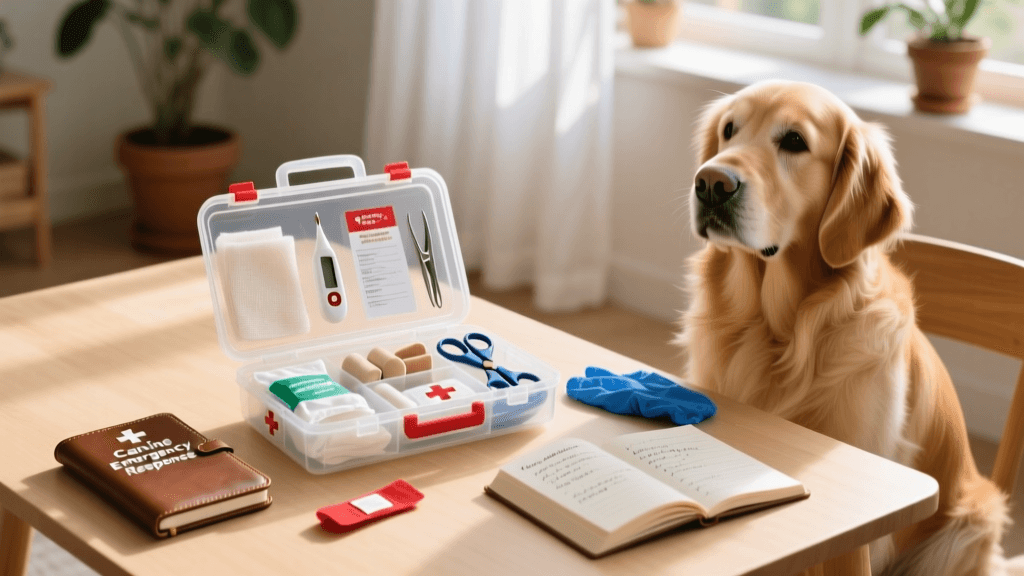
Why Every Dog Owner Needs a Custom First Aid Kit
As dog owners, we share our homes and lives with curious, energetic, and sometimes mischievous companions. Whether your dog is an avid hiker, an enthusiastic chewer, or a couch potato, accidents and sudden illnesses can happen in the blink of an eye. According to the American Veterinary Medical Association (AVMA), being prepared for emergencies is one of the most critical responsibilities of pet ownership. A well-stocked, canine-specific first aid kit can mean the difference between a minor scare and a life-threatening crisis.
Human first aid kits are not always suitable for dogs. Many over-the-counter human medications, such as ibuprofen or acetaminophen, are highly toxic to canines. Furthermore, dogs require specific handling techniques and specialized tools, like blunt-ended scissors and styptic powder, that are rarely found in standard household medical boxes. By assembling a dedicated dog first aid kit, you ensure that you have the exact tools needed to stabilize your pet before rushing to the emergency veterinary clinic.
Essential Items for Your Canine First Aid Kit
Building a comprehensive kit does not require a massive financial investment. Most items can be sourced from your local pharmacy, pet supply store, or online retailer. Below is a structured breakdown of the essential components you need, their specific purposes, and estimated costs to help you budget effectively.
| Item | Purpose & Usage Notes | Est. Cost |
|---|---|---|
| 3% Hydrogen Peroxide | Used to induce vomiting only when explicitly instructed by a vet or poison control. Expiration date must be checked regularly. | $3 - $5 |
| Digital Pet Thermometer | For taking rectal temperatures. Normal canine temperature is 101.0°F to 102.5°F. Use with petroleum jelly. | $12 - $18 |
| Styptic Powder | Instantly stops bleeding from torn or clipped-too-short nails. Apply directly to the nail bed with gentle pressure. | $6 - $10 |
| Non-Stick Gauze & Rolls | For wrapping wounds and applying direct pressure. Non-stick prevents tearing the clot when removed. | $8 - $12 |
| Blunt-Ended Scissors | Safely cutting away matted fur around a wound or cutting bandages without risking puncturing the dog's skin. | $5 - $8 |
| Saline Eye Wash | Flushing out debris, dirt, or mild irritants from the eyes. Never use human eye drops with active medications. | $4 - $7 |
| Soft Nylon Muzzle | Even the sweetest dog may bite when in severe pain or panic. A muzzle protects you while you administer aid. | $10 - $15 |
| Tweezers & Tick Remover | For safely extracting splinters, thorns, or ticks. Grasp ticks at the base of the skin and pull straight out. | $5 - $12 |
Handling Common Canine Emergencies at Home
Having the tools is only half the battle; knowing how to use them under pressure is equally important. The American Red Cross emphasizes that remaining calm and assessing the situation systematically is the first step in any pet emergency. Here is how to handle four of the most common canine crises.
1. Choking Hazards
Dogs explore the world with their mouths, making choking on toys, sticks, or bones a frequent emergency. If your dog is pawing at their mouth, gagging, or turning blue, act immediately. First, safely restrain your dog and carefully open their mouth to look for the obstruction. If you can clearly see and easily reach the object, use your fingers or tweezers to remove it. Never perform a blind finger sweep, as this can push the object further down the airway.
If the object is lodged and the dog cannot breathe, you may need to perform a modified Heimlich maneuver. For small dogs, hold them with their back against your stomach and apply five quick, upward thrusts just below the rib cage. For large dogs, lay them on their side, kneel behind them, and push firmly upward and forward on the abdomen just behind the last rib. Check the mouth after each set of thrusts. Regardless of success, a vet visit is mandatory afterward to check for airway swelling or internal damage.
2. Minor Cuts, Abrasions, and Torn Nails
Active dogs frequently suffer from minor lacerations on their paw pads or bodies. If a cut is bleeding, apply direct, firm pressure using a clean piece of non-stick gauze for a full five minutes without lifting it to check. Once the bleeding slows, gently flush the wound with sterile saline solution to remove dirt and debris. Apply a thin layer of pet-safe antibiotic ointment and wrap the area loosely with a gauze roll and self-adhering bandage wrap.
Torn nails are notoriously painful and bleed profusely. Restrain the dog, apply a generous pinch of styptic powder directly to the bleeding nail bed, and hold it with firm pressure for 30 to 60 seconds. If bleeding does not stop after two attempts, or if the nail is hanging loosely by the quick, wrap the paw and head to the vet for professional trimming and pain management.
3. Suspected Toxin Ingestion
Dogs will eat almost anything, from toxic houseplants to dropped medications or sugar-free gum containing xylitol. If you suspect your dog has ingested a poison, time is of the essence. Do not wait for symptoms to appear. Immediately contact the ASPCA Animal Poison Control Center or your local emergency veterinarian. Have the packaging of the ingested item ready so you can provide the exact ingredients and estimate the dosage based on your dog's weight.
Crucial Warning: Never induce vomiting using 3% hydrogen peroxide unless explicitly instructed to do so by a veterinary professional. Inducing vomiting can cause severe secondary damage if the ingested substance is caustic (like bleach or batteries) or petroleum-based, as it can be aspirated into the lungs during the vomiting process.
4. Heat Exhaustion and Heatstroke
Unlike humans, dogs primarily cool themselves by panting and sweating minimally through their paw pads. Brachycephalic (flat-faced) breeds, senior dogs, and thick-coated breeds are at extreme risk during warm weather. Signs of heatstroke include excessive panting, drooling, bright red gums, vomiting, and eventual collapse. A rectal temperature above 104°F is a critical medical emergency.
If you suspect heatstroke, immediately move the dog to a shaded or air-conditioned area. Apply cool (never ice-cold) water to their paw pads, belly, and armpits. Ice-cold water causes blood vessels to constrict, which actually traps heat inside the body's core. Offer small amounts of cool water to drink, but do not force it. Transport the dog to the nearest open veterinary clinic immediately, keeping the car's air conditioning on high during the ride.
Critical Red Flags: When to Bypass Home Care
While a first aid kit is invaluable for stabilization, it is not a substitute for professional veterinary medicine. Certain conditions require immediate, advanced intervention. Bypass home treatment and rush to the emergency vet if your dog exhibits any of the following:
- Gastric Dilatation-Volvulus (Bloat): Characterized by a swollen, hard abdomen, unproductive retching, and extreme restlessness. This is fatal within hours without surgery.
- Severe Hemorrhage: Bleeding that does not stop after 5 minutes of continuous, firm direct pressure, or arterial spurting.
- Seizures: Any seizure lasting longer than 3 minutes, or multiple seizures occurring within a 24-hour period.
- Trauma: Being hit by a car, falling from a significant height, or sustaining a suspected broken bone.
- Respiratory Distress: Blue or pale gums, labored breathing, or choking that cannot be resolved in under a minute.
Maintaining Your Kit and Staying Prepared
A first aid kit is only useful if its contents are functional. Every six months, conduct a thorough audit of your kit. Check the expiration dates on the hydrogen peroxide, saline solution, and any ointments. Hydrogen peroxide loses its effervescence and effectiveness over time, especially once opened. Replace any used bandages or gauze immediately after an incident.
Finally, keep a printed list of emergency contacts taped to the outside of your kit. This list should include your primary veterinarian, the nearest 24-hour emergency animal hospital, and the ASPCA Poison Control hotline (1-888-426-4435). In a moment of panic, having these numbers readily visible will save you precious minutes and help you focus entirely on keeping your beloved dog safe and secure.
jonas-cole
All our authors care for dogs every day — read more of their work on the authors page.