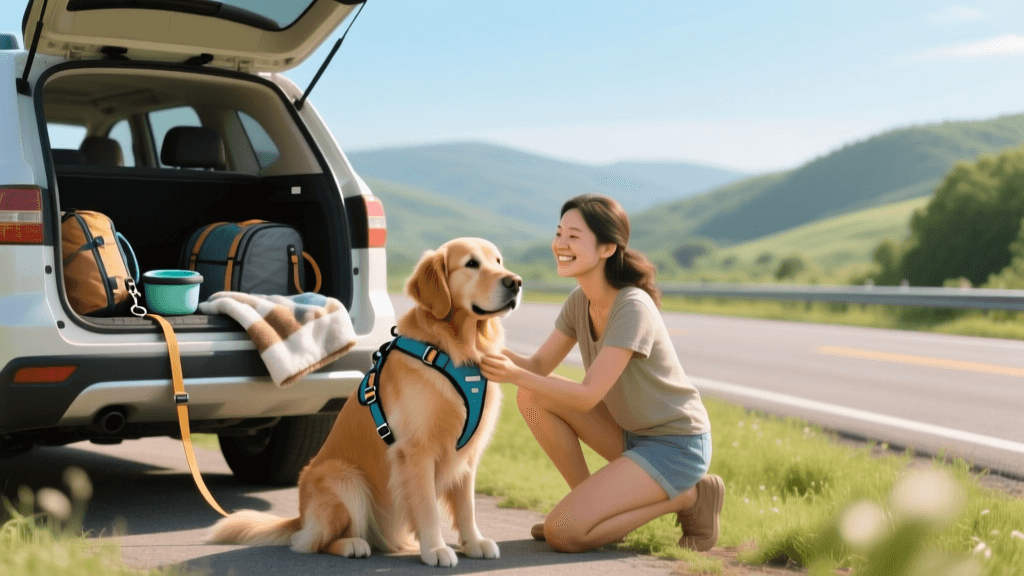
How to Build a Dog Emergency Go-Bag for Natural Disasters
Learn how to build a comprehensive dog emergency go-bag for natural disasters. Includes a checklist, supply costs, and safety tips to keep your pet safe.
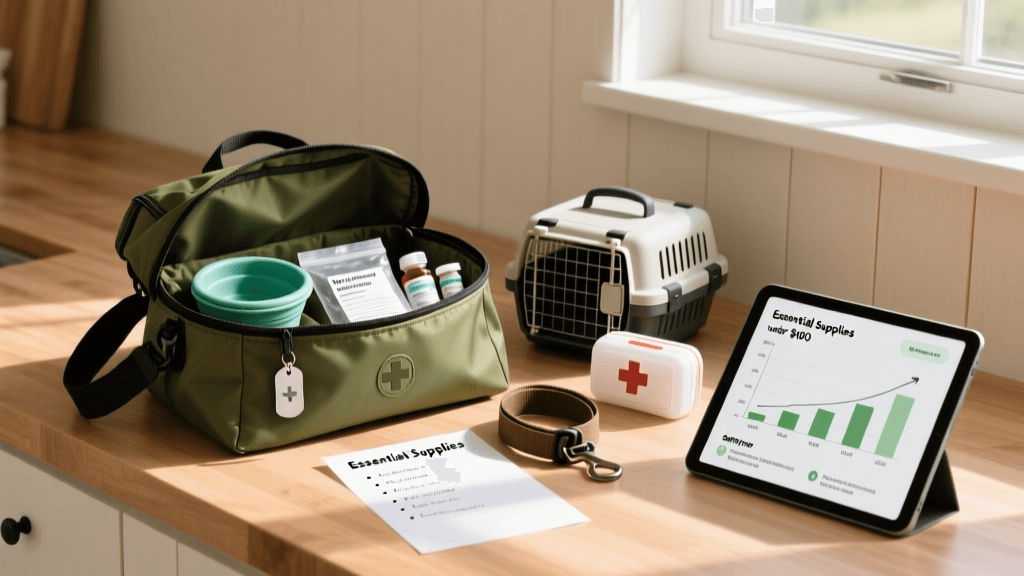
Why Every Dog Owner Needs an Emergency Go-Bag
When a wildfire, hurricane, or severe flood threatens your area, the window to evacuate safely can shrink to mere minutes. In the chaos of an emergency, grabbing your own essentials is stressful enough; trying to gather your dog’s specific needs on the fly often leads to forgotten medications, missing vaccination records, or inadequate food supplies. According to the Federal Emergency Management Agency (FEMA), pets should never be left behind during a disaster, yet thousands of dogs are separated from their owners every year simply because families lacked a dedicated pet evacuation plan and a pre-packed emergency go-bag.
Creating a specialized emergency kit for your dog is not just a precaution; it is a critical component of responsible pet ownership. This guide will walk you through the exact measurements, product recommendations, and protocols required to build a comprehensive dog emergency go-bag that ensures your canine companion survives and thrives during a natural disaster.
The Ultimate Dog Emergency Go-Bag Checklist
1. Hydration and Nutrition Requirements
Water is your most critical resource. The general veterinary rule of thumb is that a dog needs approximately one ounce of water per pound of body weight per day. For a 50-pound Labrador, this means you need at least 50 ounces (roughly 1.5 liters) of water per day. For a standard three-day evacuation kit, you should pack a minimum of 1.5 gallons of water dedicated solely to your dog. Since water is heavy, consider packing a portable water filtration system like the LifeStraw Go or MSR MiniWorks EX, which can filter bacteria and protozoa from natural water sources if your bottled supply runs out.
For food, pack a minimum of a five-day supply of your dog’s regular dry kibble. Sudden dietary changes during high-stress situations can trigger severe gastrointestinal distress, including vomiting and diarrhea, which will only complicate an evacuation. Store the kibble in a heavy-duty, waterproof dry bag or vacuum-seal it in portion-sized MRE-style pouches to protect against moisture and pests. Include two collapsible silicone bowls, such as the Kurgo Collaps-a-Bowl, which weigh less than three ounces and fold completely flat.
2. Canine First Aid and Medical Supplies
A human first aid kit will not suffice for a dog. You must include veterinary-specific supplies. The ASPCA strongly recommends keeping a physical and digital copy of your dog’s medical records, including rabies certificates and a list of current medications. Store physical copies in a waterproof Ziploc bag or a specialized document sleeve.
Your canine first aid kit should include:
- Vetrap and Self-Adhering Bandages: For wrapping wounds or stabilizing sprains.
- Styptic Powder: Essential for stopping bleeding from torn or broken nails, a common injury when dogs panic and scramble over debris.
- Saline Eye Wash: To flush out smoke particulate, dust, or chemical irritants.
- Diphenhydramine (Benadryl): Useful for allergic reactions or mild sedation during travel, but you must consult your vet beforehand for the exact milligram dosage based on your dog's weight (typically 1mg per pound).
- Tick and Splinter Tweezers: Fine-point tweezers for safe tick removal without leaving the head embedded.
- Muzzle: Even the gentlest dog may bite when in severe pain or shock. A soft mesh or basket muzzle is a vital safety tool for you and veterinary responders.
3. Restraint, Comfort, and Sanitation
During an evacuation, your dog’s instinct may be to flee. A standard nylon collar can easily slip off a panicked dog. Your go-bag must include a well-fitted, escape-proof harness, such as the Ruffwear Web Master, paired with a sturdy 6-foot biothane or leather leash. Avoid retractable leashes entirely, as they offer zero control in chaotic, crowded shelter environments or near hazardous debris.
Sanitation is equally important, especially if you are forced to shelter in a hotel room, a vehicle, or a crowded gymnasium. Pack a minimum of three rolls of biodegradable waste bags, a small bottle of enzymatic stain remover, and a compact microfiber towel for wiping down muddy or wet paws before entering temporary housing. Include a familiar-smelling item, like a worn t-shirt or a small fleece blanket, as scent familiarity can significantly reduce cortisol levels and anxiety in displaced dogs.
Cost and Weight Breakdown: Building Your Dog's Go-Bag
Building a high-quality go-bag requires an upfront investment, but it pays dividends in an emergency. Below is a structured breakdown of estimated costs and weights for a medium-sized dog (40-60 lbs).
| Category | Essential Items | Estimated Cost | Weight | Replacement Frequency |
|---|---|---|---|---|
| Hydration | Bottled water, LifeStraw, Silicone bowls | $35 - $50 | 8 - 10 lbs | 6 months (Water) |
| Nutrition | 5 days kibble, treats, can opener | $25 - $40 | 5 - 7 lbs | 3-6 months |
| Medical | Vetrap, styptic powder, records, meds | $40 - $60 | 1 - 2 lbs | 1 year / As needed |
| Restraint | Escape-proof harness, 6ft leash, muzzle | $50 - $80 | 2 - 3 lbs | As needed |
| Sanitation | Waste bags, microfiber towel, enzyme cleaner | $15 - $25 | 1 - 2 lbs | As needed |
| Total Estimated | $165 - $255 | 17 - 24 lbs | Varies | |
Choosing the Right Tactical or Hiking Bag
Do not rely on a flimsy school backpack to carry your dog’s survival gear. You need a bag with reinforced stitching, water-resistant materials (like 500D Cordura nylon), and ergonomic straps. Many dog owners opt for tactical-style backpacks or specialized hiking packs. Brands like Kurgo (e.g., the Kurgo G-Train) or Ruffwear offer dedicated dog carrier backpacks that feature a built-in compartment for the dog to ride in when they become exhausted, alongside separate storage pockets for gear. If you prefer to carry the gear yourself so your dog can walk unencumbered, a standard 35-liter hiking daypack with a hydration bladder sleeve and chest strap will distribute the 20-pound load evenly across your torso.
Evacuation Protocols and Microchip Maintenance
Having the gear is only half the battle; executing a flawless evacuation protocol is the other. The American Red Cross emphasizes that pet owners must identify pet-friendly shelters and hotels outside their immediate disaster zone well in advance. Keep a printed list of at least five pet-friendly motels located 50, 100, and 200 miles outside your city limits tucked inside your go-bag’s document sleeve.
Furthermore, your dog’s microchip is useless if the registry information is outdated. Once a year, log into your microchip provider’s database (such as HomeAgain or the AKC Reunite registry) to verify your current phone number, address, and emergency contact. If your dog is not microchipped, schedule an appointment with your veterinarian immediately; the procedure costs between $30 and $50 and takes less than five minutes. In the event your dog slips their collar during the panic of a hurricane or earthquake, a microchip is the single most reliable way to ensure a reunion.
Pro Tip: Attach a secondary, temporary ID tag to your dog's harness during an evacuation that lists your mobile number and the name of your out-of-state emergency contact, as local cell towers may be overloaded or down.
Go-Bag Maintenance Schedule
An emergency bag is only useful if its contents are viable. Set a recurring calendar reminder on your phone every six months (a good trick is to align this with daylight saving time changes) to perform the following maintenance tasks:
- Rotate Food and Water: Dump the stored water and refill with fresh jugs. Feed the stored kibble to your dog and replace it with a fresh bag to prevent rancidity and vitamin degradation.
- Check Medications: Ensure any emergency sedatives or allergy medications have not expired.
- Update Records: Replace the physical copies of vaccination records if your dog has received new annual boosters.
- Inspect Gear: Check the harness and leash for fraying, dry rot, or weakened clips.
Final Thoughts on Canine Emergency Preparedness
Natural disasters are inherently unpredictable, but your response to them does not have to be. By investing the time and resources to assemble a dedicated dog emergency go-bag, you are making a profound commitment to your pet’s safety. Review your evacuation routes, practice loading your dog into the vehicle with the gear, and rest easy knowing that if the worst happens, you are fully prepared to protect your best friend.
beth-carrasco
All our authors care for dogs every day — read more of their work on the authors page.