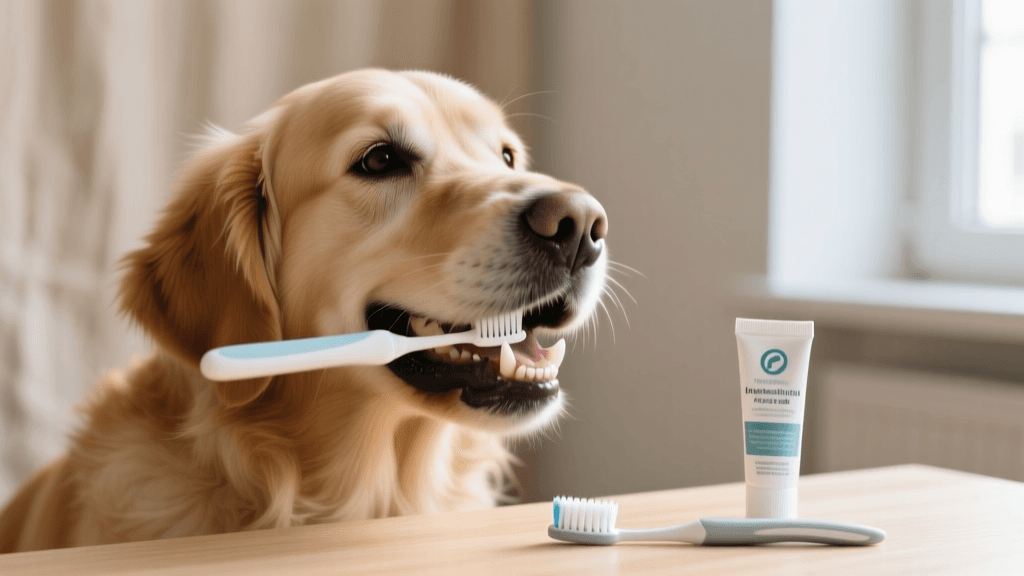
Dog Dental Care: Answering Google's Most-Asked Questions
Discover answers to Google's most-asked questions about dog dental care, including brushing frequency, professional cleaning costs, and safe toothpastes.
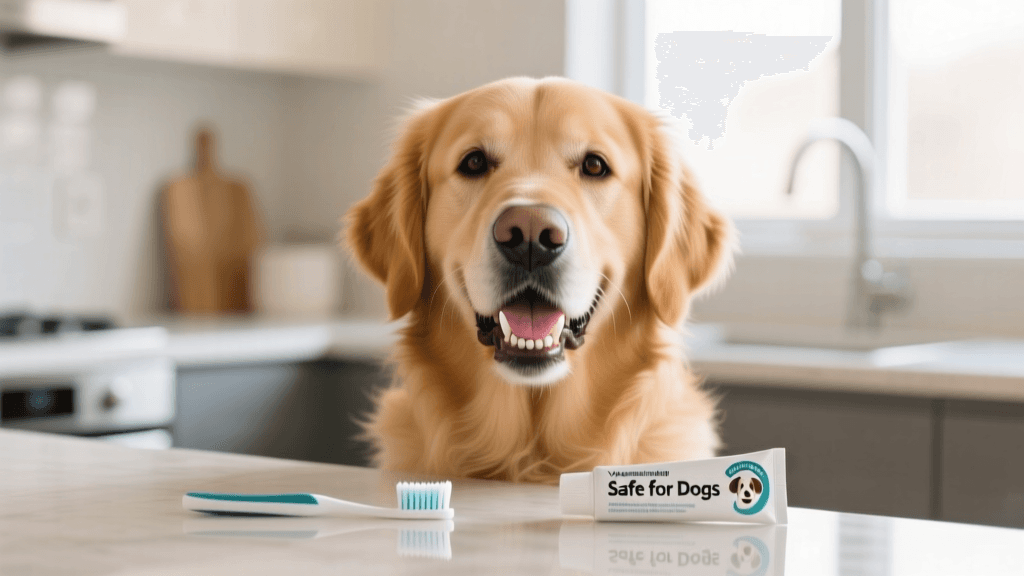
Why Dog Dental Care is Google's Most Searched Pet Health Topic
If you have ever typed "why does my dog's breath smell bad" or "how to clean dog teeth" into a search engine, you are not alone. Canine dental health is one of the most frequently searched topics among pet owners, and for good reason. According to the American Veterinary Medical Association (AVMA), over 80% of dogs show signs of periodontal disease by the age of three. Left untreated, dental disease doesn't just cause bad breath and tooth loss; it can lead to severe systemic issues, including heart, liver, and kidney disease.
To help you navigate the overwhelming amount of information online, we have compiled and answered the most frequently asked questions about dog dental care, complete with actionable advice, cost breakdowns, and product recommendations.
How Often Should I Brush My Dog's Teeth?
The gold standard for canine dental hygiene is brushing your dog's teeth once every day. However, veterinary professionals agree that brushing a minimum of three to four times a week is necessary to effectively disrupt the formation of plaque before it hardens into tartar (calculus).
Plaque is a sticky film of bacteria that forms on teeth within hours after eating. If it is not physically removed by brushing or chewing, it mineralizes into tartar within 24 to 48 hours. Once tartar forms, it cannot be brushed away and requires professional veterinary scaling.
Actionable Brushing Guide:
- Tools: Use a dual-headed canine toothbrush or a finger brush, paired with an enzymatic dog toothpaste (e.g., Virbac C.E.T. Enzymatic Toothpaste).
- Amount: Apply a pea-sized amount of toothpaste to the brush.
- Technique: Hold the brush at a 45-degree angle to the gumline. Use small, gentle circular motions, focusing on the outer surfaces of the teeth where plaque accumulates most heavily.
- Timing: Aim for 30 to 60 seconds per side of the mouth (about 2 minutes total).
Can I Use Human Toothpaste on My Dog?
No, never use human toothpaste on a dog. This is one of the most critical safety warnings in pet care. Human toothpastes often contain two ingredients that are highly toxic to canines:
- Xylitol: An artificial sweetener found in many human oral care products. In dogs, xylitol causes a rapid, massive release of insulin, leading to life-threatening hypoglycemia (low blood sugar) within 30 minutes, and can subsequently cause acute liver failure.
- Fluoride: While safe for humans to spit out, dogs swallow their toothpaste. Ingesting fluoride can cause severe gastrointestinal upset, vomiting, and in large doses, neurological and cardiac issues.
Always purchase toothpaste specifically formulated for dogs. These are designed to be swallowed safely and often come in palatable flavors like poultry, beef, or malt to make the brushing experience more cooperative.
How Much Does a Professional Dog Teeth Cleaning Cost?
A common Google search is "dog teeth cleaning cost near me." The price of a professional veterinary dental prophylaxis (prophy) varies widely based on your geographic location, the size of your dog, and the severity of their dental disease. On average, you can expect to pay between $400 and $1,200+.
Unlike human dentistry, dogs require general anesthesia for a proper cleaning. This is necessary to safely scale below the gumline, polish the teeth, and take dental X-rays. Here is a typical cost breakdown:
- Pre-Anesthetic Bloodwork: $75 - $150 (Ensures the liver and kidneys can process anesthesia safely).
- IV Catheter and Fluids: $50 - $100 (Maintains blood pressure and provides emergency access).
- General Anesthesia & Monitoring: $150 - $300.
- Scaling, Polishing, and Dental X-Rays: $200 - $400.
- Tooth Extractions (if needed): $100 - $500+ per tooth, depending on whether it is a single-rooted incisor or a multi-rooted carnassial tooth requiring surgical extraction and gum suturing.
Pro Tip: Many pet insurance companies will cover dental cleanings and extractions if you have a wellness add-on or if the disease is deemed an illness rather than a pre-existing condition. Check your policy details carefully.
What Are the Best Alternatives to Brushing?
While brushing is the most effective method, not all dogs will tolerate it. If your dog absolutely refuses a toothbrush, you can supplement their care with alternative methods. However, these should be viewed as supplements to brushing, not complete replacements. To ensure you are buying effective products, the Veterinary Oral Health Council (VOHC) provides a seal of acceptance for products that meet strict scientific standards for reducing plaque and tartar.
Dog Dental Care Methods: Comparison Chart
| Method | Effectiveness | Estimated Monthly Cost | Best For |
|---|---|---|---|
| Daily Brushing | Excellent (Gold Standard) | $8 - $15 | Cooperative dogs; owners with 2 mins/day. |
| VOHC Dental Chews (e.g., Greenies, Oravet) |
Good (Mechanical scraping) | $25 - $45 | Aggressive chewers; dogs that hate brushes. |
| Water Additives (e.g., TropiClean) |
Fair (Reduces bacteria) | $10 - $20 | Senior dogs; cats; multi-pet households. |
| Dental Wipes | Fair (Surface plaque only) | $12 - $18 | Dogs sensitive to bristles; quick wipe-downs. |
| Dental Diets (e.g., Hill's t/d) |
Good (Kibble matrix scrubs) | $60 - $90 | Dogs needing weight management + dental care. |
What Are the Warning Signs of Canine Periodontal Disease?
Dogs are notorious for hiding pain, an evolutionary trait that makes it difficult for owners to spot dental issues until they are severe. The American Kennel Club (AKC) advises owners to watch for the following clinical signs:
- Halitosis (Bad Breath): While "dog breath" is common, a foul, rotting odor indicates an overgrowth of anaerobic bacteria and dying tissue.
- Red, Swollen, or Bleeding Gums: A sign of gingivitis, the earliest stage of periodontal disease.
- Dropping Food or Chewing on One Side: Indicates localized tooth pain, a fractured tooth, or a loose molar.
- Pawing at the Mouth or Face Rubbing: A clear indicator of oral discomfort or nerve pain.
- Discolored Teeth: Brown or yellow buildup is tartar; grey or purple teeth indicate a dead, necrotic tooth root.
The 4 Stages of Periodontal Disease in Dogs
Understanding the progression of dental disease highlights why preventive care is so vital:
- Stage 1 (Gingivitis): Inflammation of the gums caused by plaque buildup. Reversible with a professional cleaning and daily home care.
- Stage 2 (Early Periodontitis): Up to 25% loss of the ligament attachment holding the tooth in the bone. Gums recede slightly. Irreversible, but manageable.
- Stage 3 (Moderate Periodontitis): 25% to 50% attachment loss. Deep periodontal pockets form, harboring severe infection. Extractions are often required.
- Stage 4 (Advanced Periodontitis): Greater than 50% attachment loss. Teeth are loose, and bacteria enter the bloodstream, posing severe risks to the heart valves (endocarditis) and kidneys.
Final Thoughts on Proactive Pet Health
When it comes to your dog's health, an ounce of prevention is truly worth a pound of cure. By integrating daily brushing, utilizing VOHC-approved chews, and scheduling annual veterinary dental exams, you can add years to your dog's life and save thousands of dollars in emergency extractions and systemic disease treatments. Start slow, use positive reinforcement with high-value treats, and make dental care a normal, stress-free part of your dog's daily routine.
marcus-aldridge
All our authors care for dogs every day — read more of their work on the authors page.