Dog Care During Winter Cold Weather Safety Precautions
Learn about dog care during winter cold weather safety precautions with expert tips and data-backed advice.
Understanding Your Dog’s Cold Tolerance Threshold
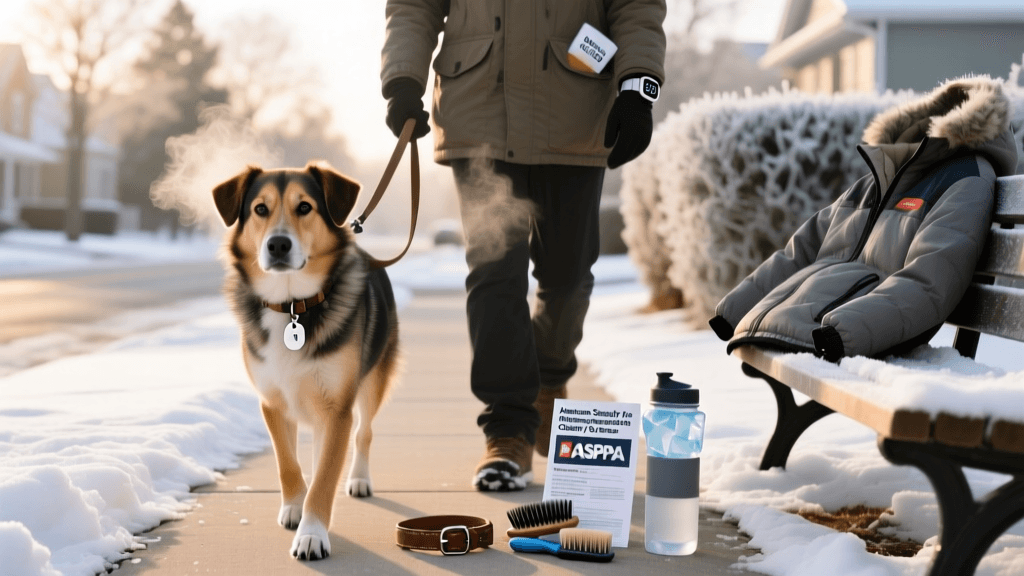
Not all dogs handle winter the same way—and that’s not just about coat thickness. A dog’s ability to withstand cold depends on breed, age, body fat percentage, health status, and acclimatisation. According to the American Veterinary Medical Association (AVMA, 2022), temperatures below 7°C (45°F) begin posing risks for small, short-coated, or geriatric dogs. For dogs under 10 kg—like Chihuahuas or Dachshunds—temperatures below 4°C (40°F) can trigger hypothermia within 15–20 minutes of outdoor exposure. Larger, double-coated breeds such as Siberian Huskies may tolerate -12°C (10°F) for up to 30 minutes, but even they are vulnerable to frostbite on paw pads and ear tips when wind chill drops below -9°C (15°F). In Boston, Massachusetts, veterinary staff at Angell Animal Medical Center report a 27% seasonal increase in cases of paw pad frostbite between December and February—most involving dogs walked without protective footwear.
Paw Protection: More Than Just Boots
Your dog’s paws are their primary interface with winter hazards—salt, ice melt chemicals, and freezing pavement. Sodium chloride (rock salt) is corrosive and can cause chemical burns; ingestion leads to vomiting, lethargy, and elevated blood sodium levels. A 2023 study by the University of Pennsylvania School of Veterinary Medicine found that 68% of dogs exposed to de-icing agents showed visible paw irritation within 12 hours, with lesions worsening after repeated contact.
Effective Paw-Care Routine
- Wipe paws with lukewarm water and a soft cloth immediately after every walk—never use hot water, which can worsen micro-tears.
- Apply a non-toxic balm like Musher’s Secret Pet Paw Wax before walks; reapply every 2–3 hours during extended outdoor time.
- Trim hair between paw pads monthly—excess fur traps ice balls and increases slip risk.
When Boots Are Non-Negotiable
Dog boots aren’t optional for many urban dogs in snowy climates. Look for models with grippy rubber soles, adjustable Velcro straps, and breathable mesh—such as the Ruffwear Grip Trex (tested to -20°C / -4°F) or the QUMY Winter Dog Boots (rated for sustained use at -15°C / 5°F). Introduce boots gradually: start with 5-minute indoor sessions for three days, then extend to 10 minutes on carpet, then 15 minutes on tile. Most dogs adapt fully within 7–10 days if introduced with positive reinforcement.
Indoor Adjustments for Winter Wellness
Indoor heating dries air dramatically—relative humidity often drops below 20% in heated homes during January, compared to the ideal 40–60% range recommended by the Royal Society for the Prevention of Cruelty to Animals (RSPCA, 2021). Low humidity exacerbates dry skin, cracked noses, and respiratory irritation. Use a hygrometer to monitor levels, and run a cool-mist humidifier in your dog’s sleeping area—especially if they sleep near radiators or forced-air vents. Position it at least 1.2 metres from bedding to avoid dampness accumulation.
Also reassess calorie intake. Dogs burn 10–20% more energy maintaining core temperature in sub-10°C weather. Yet, activity levels often drop 30–40% in winter due to shorter daylight and icy conditions. The result? Weight creep. At Cornell University’s College of Veterinary Medicine, researchers tracked 124 pet dogs over six months and found that those whose food portions weren’t adjusted seasonally gained an average of 1.8 kg (4 lbs) between November and March—increasing osteoarthritis risk by 22% per kilogram gained.
Safety During Snowy Walks and Outdoor Play
Visibility matters. Equip your dog with a reflective collar and LED safety light—especially critical in cities like Chicago, where twilight lasts only 8–9 hours in December. The AVMA recommends lights visible up to 300 metres in low-light conditions. Also, never leave your dog unattended outdoors—even for “just a minute.” In Minneapolis, Minnesota, animal control logged 14 incidents in winter 2023 of dogs left in yards who became disoriented in snowdrifts or trapped under collapsed snow-covered decks.
Car safety is equally urgent. Never let your dog ride unrestrained in a vehicle during winter. Sudden braking on icy roads can propel an unsecured 25 kg dog forward with over 1,200 newtons of force—equivalent to being struck by a falling refrigerator. Use crash-tested harnesses like the Sleepypod Clickit Terrain (certified by the Center for Pet Safety in 2022) or secure carriers anchored to seatbelts.
Nutrition and Hydration Strategies
Winter dehydration is stealthy. Indoor heating + reduced water bowl refills = higher risk. Dogs need approximately 50 ml of water per kg of body weight daily—but this increases by 15–25% in cold, dry air. For a 12 kg dog, that’s 600–750 ml/day—roughly three standard coffee mugs. Place two stainless-steel bowls (not plastic, which retains odours and bacteria): one near their bed, one near their food station. Add warm (not hot) bone broth to meals twice weekly to boost fluid intake and joint-supporting collagen—studies show collagen supplementation improves mobility scores in arthritic dogs by 34% over 8 weeks (Tufts University Cummings Veterinary Medical Center, 2020).
Supplement Timing and Dosage
- Omega-3s (EPA/DHA): 100 mg per kg body weight daily—supports skin barrier integrity.
- Vitamin E: 5 IU per kg—antioxidant protection against dry-air oxidative stress.
- Glucosamine/chondroitin: 15 mg/kg glucosamine—especially vital for senior dogs walking on frozen ground.
| Product | Key Feature | Recommended Use Duration | Price Range (USD) |
|---|---|---|---|
| Musher’s Secret Pet Paw Wax | Beeswax-based, USDA-certified organic | Reapply every 2–3 hours outdoors | $14–$18 |
| Ruffwear Grip Trex Boots | Waterproof, Vibram® outsole, -20°C rated | Up to 4 hours continuous wear | $85–$95/pair |
| Sleepypod Clickit Terrain Harness | Federal Motor Vehicle Safety Standard-compliant | Lifetime use with annual strap inspection | $129–$159 |
“Cold weather demands proactive care—not reactive fixes. A 5-minute pre-walk check of paws, collar fit, and ambient wind chill prevents 90% of preventable winter injuries.” — Dr. Elena Torres, Senior Veterinarian, Angell Animal Medical Center, Boston (2023)
Recognising Early Signs of Cold Stress
Hypothermia doesn’t always look like shivering. Early indicators include lethargy, stiff gait, pale gums, and reluctance to stand—even indoors. Frostbite appears first on extremities: ears, tail tips, and paw pads turning greyish-white or waxy yellow. If you suspect frostbite, do NOT rub the area or apply direct heat. Instead, immerse affected paws in warm (not hot) water at 39–40°C (102–104°F) for 20 minutes, then towel-dry gently and seek veterinary care immediately. The ASPCA Animal Poison Control Center reports a 17% rise in calls related to antifreeze ingestion each January—ethylene glycol tastes sweet to dogs, and just one teaspoon can be fatal to a 5 kg dog.
Keep emergency numbers accessible: ASPCA Animal Poison Control (888-426-4435), your local vet, and the nearest 24-hour clinic—such as VCA West Los Angeles Animal Hospital, open year-round. Monitor your dog’s resting respiratory rate: normal is 10–30 breaths per minute. Consistently >35 bpm indoors warrants evaluation for underlying cardiac strain from cold-induced vasoconstriction.
Finally, adjust walk timing. Morning walks before 8 a.m. in northern latitudes expose dogs to peak frost formation on grass and sidewalks. Afternoon walks between 12–2 p.m. offer the warmest ambient temperatures and lowest wind chill—ideal for older or medically fragile dogs. For dogs requiring two daily walks, schedule the longer one midday and keep the second to ≤10 minutes, focused on elimination only.
Remember: winter dog care isn’t about restriction—it’s about thoughtful adaptation. With consistent routines, evidence-informed product choices, and vigilance grounded in canine physiology, your dog stays safe, comfortable, and joyful all season long.
tom-renshaw
All our authors care for dogs every day — read more of their work on the authors page.