Diagnosing and Solving Severe Dog Car Travel Anxiety
Discover how to diagnose and solve dog car travel anxiety and motion sickness. Practical tips, safety gear, and training steps for stress-free rides.
Understanding the Root Cause: Anxiety vs. Motion Sickness
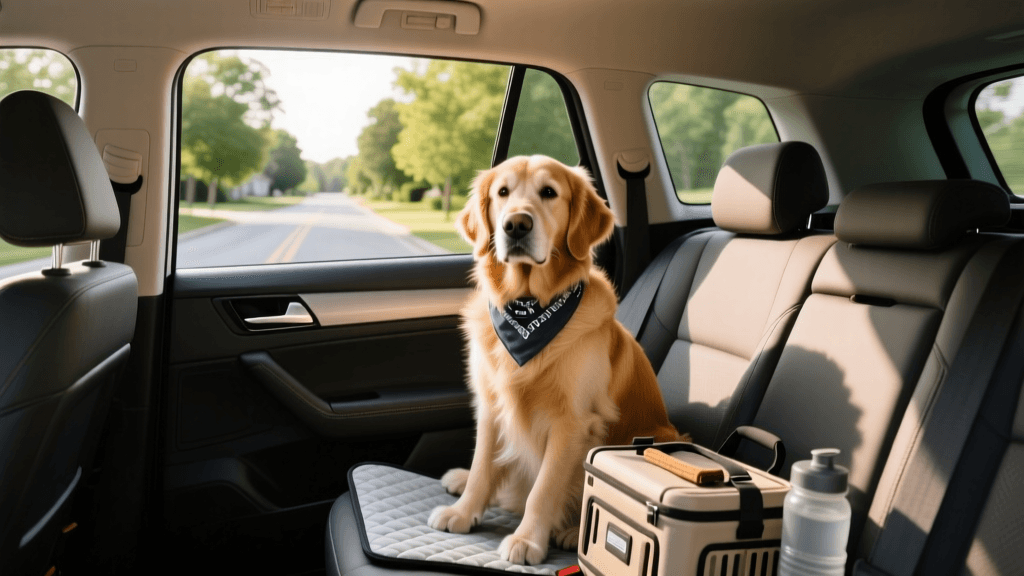
For many dog owners, the idea of hitting the open road with their furry best friend is a dream. However, for a significant percentage of dogs, the car represents a chamber of stress, nausea, and panic. Before you can solve your dog's car travel issues, you must accurately diagnose the root cause. Is your dog suffering from physiological motion sickness, or are they experiencing psychological travel anxiety? While the two conditions often overlap and exacerbate one another, their primary triggers and treatment protocols differ significantly.
Motion sickness is primarily a physiological response linked to the vestibular system in the inner ear, which controls balance. When the eyes see a stationary environment (the inside of the car) but the inner ear feels the motion of the vehicle, sensory conflict occurs, leading to nausea. According to VCA Animal Hospitals, motion sickness is incredibly common in puppies and young dogs because the structures of the inner ear used for balance are not fully developed. Many puppies will outgrow this by the time they reach one year of age. However, if left unaddressed, the negative physical sensation of nausea can quickly condition a dog to associate the car with feeling ill, thereby triggering secondary psychological anxiety.
Travel anxiety, on the other hand, is a behavioral and emotional response. It can stem from a lack of early socialization to vehicles, a past traumatic experience (such as a sudden stop or a car accident), or the fact that the car only ever predicts a trip to the veterinarian's office. Dogs with travel anxiety experience a surge in cortisol and adrenaline, leading to fight-or-flight behaviors even before the car is in motion.
Diagnostic Chart: Is It Fear or Nausea?
To effectively treat your dog, observe their behavior closely before and during the car ride. Use the following diagnostic table to help differentiate between the two conditions.
| Symptom / Behavior | Motion Sickness (Physiological) | Travel Anxiety (Psychological) |
|---|---|---|
| Excessive Drooling | Very Common | Occasional |
| Lip Licking / Swallowing | Very Common (Sign of Nausea) | Rare |
| Vomiting / Regurgitation | Common | Rare (Unless extreme panic) |
| Panting / Pacing | Occasional | Very Common |
| Whining / Barking / Howling | Rare | Very Common |
| Reaction to Car Keys | Neutral | Hiding, Trembling, or Bolting |
| Primary Trigger | Movement of the Vehicle | Environment / Anticipation |
Step-by-Step Solutions for Canine Motion Sickness
If your diagnosis leans toward motion sickness, your primary goal is to manage the physiological nausea while gradually acclimating your dog to the sensation of movement.
1. Dietary Adjustments and Fasting
A full stomach exacerbates nausea. Withhold your dog's regular meal for 3 to 4 hours prior to travel. However, ensure they have access to water up until the moment you leave to prevent dehydration. For long road trips, feed a small, bland meal (such as boiled chicken and white rice) 4 hours before departure, and save their main meal for when you arrive at your destination.
2. Natural Anti-Nausea Remedies
Ginger is a highly effective, natural antiemetic for dogs. You can use powdered ginger root from your pantry. The general dosage guideline is 1/4 teaspoon of powdered ginger per 10 pounds of body weight, administered 30 to 45 minutes before the car ride. You can mix this into a small amount of plain yogurt or a peanut butter-stuffed Kong. Alternatively, ginger-infused dog treats are widely available at pet supply stores.
3. Visual Barriers and Airflow
Sensory conflict is worsened when a dog watches the scenery rushing by from a low vantage point. Use a crash-tested car seat or a booster seat designed for dogs to elevate their line of sight so they can look out the front windshield rather than the side windows. Additionally, crack the windows about two inches to allow fresh air to circulate and equalize the air pressure inside the cabin, which helps soothe the inner ear.
4. Veterinary Medications
If natural remedies fail, consult your veterinarian. Prescription medications like Maropitant citrate (Cerenia) are highly effective at blocking the vomiting center in the brain without causing drowsiness. Ondansetron is another option for severe cases. Never administer human motion sickness medications like Dramamine without explicit veterinary instruction, as dosages and active ingredients vary wildly and can be toxic to dogs.
Behavioral Solutions for Car Travel Anxiety
If your dog exhibits psychological anxiety, you must rewire their emotional response to the vehicle. The American Kennel Club emphasizes that forcing a terrified dog into a car will only reinforce their phobia. Instead, utilize a systematic desensitization and counter-conditioning protocol.
The 5-Step Desensitization Protocol
- Step 1: The Approach (Days 1-3). Walk your dog on a leash near the parked, turned-off car. Reward them with high-value treats (like freeze-dried liver or boiled chicken) simply for looking at the car or walking near it. Do not force them to enter.
- Step 2: The Entry (Days 4-7). Open the car doors. Toss treats onto the floorboard or the back seat. Allow the dog to enter and exit at will. Praise them calmly. Keep these sessions under 5 minutes.
- Step 3: The Idle (Days 8-10). Have your dog sit in the car with their favorite chew toy or a food puzzle. Close the doors, sit in the driver's seat, and start the engine. Do not put the car in gear. Give them treats, then turn the engine off and end the session.
- Step 4: The Short Drive (Days 11-14). Drive to the end of the driveway or around the block, then immediately return home and engage in a fun activity like a game of fetch. The goal is to prove that the car does not always lead to the vet or a long, stressful journey.
- Step 5: The Fun Destination (Days 15+). Take short drives to highly rewarding locations, such as a local park, a pet-friendly store, or a hiking trail. Gradually increase the duration of the drives by 5-minute increments.
Essential Gear and Cost Breakdown
Equipping your vehicle with the right tools can drastically reduce both anxiety and safety risks. Below is a breakdown of recommended products, their purposes, and estimated costs to help you budget for a stress-free travel setup.
| Product Category | Specific Recommendation | Purpose | Estimated Cost |
|---|---|---|---|
| Calming Pheromones | Adaptil Transport Spray | Synthetic dog-appeasing pheromones to reduce acute stress. | $15 - $20 |
| Crash-Tested Harness | Sleepypod Clickit Sport | Restrains dog safely, preventing injury and reducing pacing. | $80 - $100 |
| Visual Barrier | Mesh Window Sunshades | Blocks side-window visual stimuli to reduce motion sickness. | $12 - $18 |
| Calming Supplements | Zesty Paws Calming Bites | L-Theanine and Chamomile to take the edge off before travel. | $25 - $30 |
| Spill-Proof Hydration | Kurgo Zippy Bowl | Provides water access without creating a messy, stressful spill. | $15 - $20 |
Safety First: The Importance of Crash-Tested Restraints
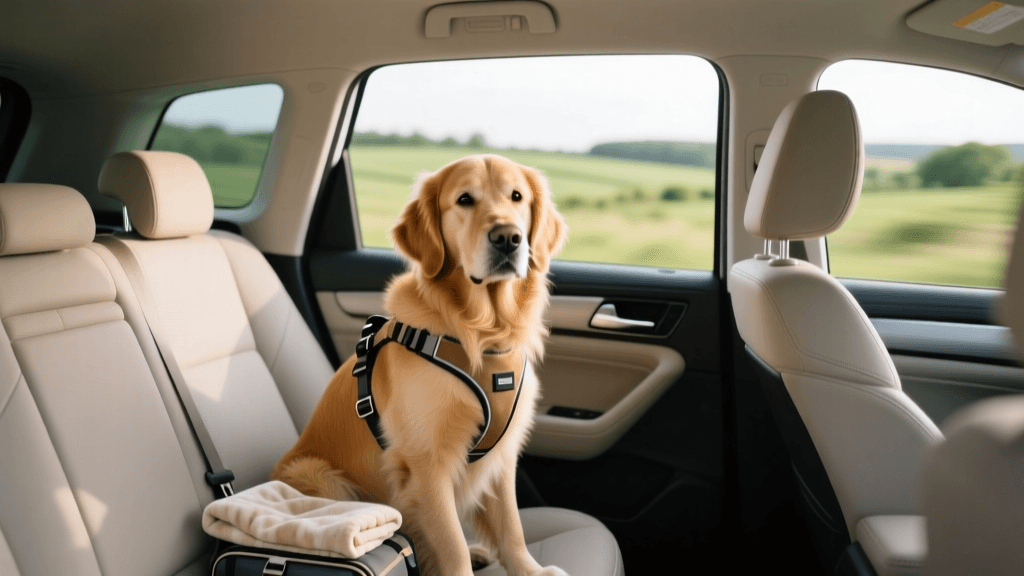
An anxious dog is a distracted driver's worst nightmare, and an unrestrained dog in a crash becomes a dangerous projectile. It is a common misconception that any pet store harness will protect a dog in a collision. In reality, most standard walking harnesses will snap under the G-force of a sudden stop. When selecting a restraint system, you must look for independent crash-test certifications. The Center for Pet Safety is a registered 501(c)(3) non-profit organization that conducts rigorous, independent crash testing on pet travel products. Look for their certification seal when purchasing a harness or travel crate. A properly fitted, crash-tested harness should be secured directly to the vehicle's factory-installed seatbelt latch, not the seatbelt webbing, to ensure maximum structural integrity during an impact. Investing $80 to $100 in a certified harness is a non-negotiable aspect of responsible dog ownership and travel.
When to Consult a Veterinary Behaviorist
While most dogs respond beautifully to a combination of desensitization training, natural remedies, and environmental management, some cases of travel anxiety are deeply ingrained. If your dog exhibits extreme panic responses—such as fractious behavior, self-injury (like breaking teeth on crate bars), or uncontrollable diarrhea—despite your best efforts, it is time to seek professional help. A board-certified veterinary behaviorist can prescribe short-term anti-anxiety medications, such as Trazodone or Gabapentin, to lower your dog's baseline stress levels enough for the desensitization training to actually take effect. Remember, medication is not a failure; it is a vital tool that allows your dog's brain to enter a state where learning and healing can occur.
By accurately diagnosing whether your dog is battling nausea or fear, and by implementing structured, patient, and safety-conscious solutions, you can transform the car from a source of terror into a gateway to adventure. Consistency is your greatest ally, so stick to the protocol, celebrate the small victories, and look forward to the miles ahead.
tom-renshaw
All our authors care for dogs every day — read more of their work on the authors page.