Dog Breed Health Comparison: Lifespan and Genetic Risks
Compare popular dog breeds by lifespan and genetic health risks. Learn how to select a healthy breed and budget for preventive veterinary care.

When welcoming a new dog into your family, it is easy to be swayed by a winning personality, a striking coat color, or a viral social media trend. However, from a health and wellbeing perspective, breed selection is one of the most critical decisions a prospective owner will make. Different breeds carry distinct genetic blueprints, which directly influence their lifespan, susceptibility to chronic diseases, and the lifetime financial cost of their veterinary care. By comparing the health profiles of popular breeds, you can make an informed choice that aligns with your lifestyle, budget, and emotional capacity for managing potential medical issues.
Lifespan and Health Risk Comparison Chart
Understanding the baseline health expectations of various breeds is the first step in responsible dog ownership. The table below compares five popular breed profiles, highlighting their average lifespans, primary genetic vulnerabilities, and estimated lifetime veterinary costs. These costs encompass routine preventive care (vaccinations, flea/tick prevention, annual bloodwork) alongside the projected expenses for managing breed-specific conditions.
| Breed | Average Lifespan | Primary Genetic Risks | Est. Lifetime Vet Cost |
|---|---|---|---|
| French Bulldog | 10 - 12 years | BOAS, IVDD, Severe Allergies | $15,000 - $25,000 |
| Golden Retriever | 10 - 12 years | Hip Dysplasia, Hemangiosarcoma | $12,000 - $20,000 |
| Standard Poodle | 12 - 15 years | Addison's Disease, Gastric Dilatation-Volvulus (Bloat) | $10,000 - $15,000 |
| Australian Shepherd | 12 - 15 years | MDR1 Gene Mutation, Epilepsy | $9,000 - $14,000 |
| Medium Mixed Breed | 13 - 17 years | Variable (Benefit of Hybrid Vigor) | $7,000 - $12,000 |
Deep Dive into Breed-Specific Genetic Conditions
To truly grasp the wellbeing implications of your breed choice, we must examine the specific physiological challenges inherent to certain breed groups. Selecting a dog means accepting the responsibility of managing their unique anatomical and genetic traits.
Brachycephalic Breeds and Respiratory Health
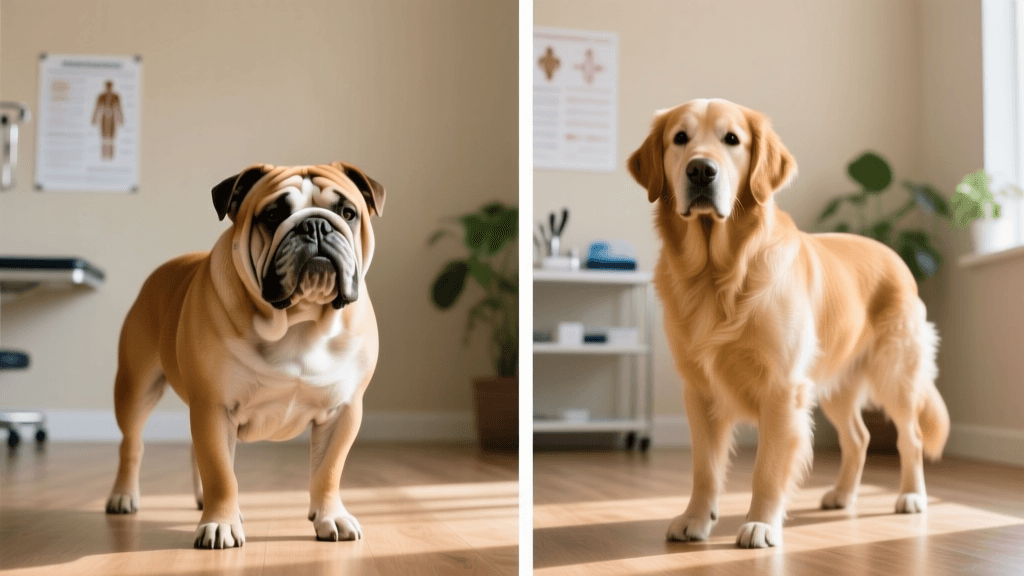
Brachycephalic breeds, such as French Bulldogs, Pugs, and English Bulldogs, are characterized by their shortened skulls and flat faces. While undeniably popular, this extreme conformation leads to Brachycephalic Obstructive Airway Syndrome (BOAS). Dogs with BOAS suffer from narrowed nostrils, elongated soft palates, and hypoplastic tracheas, making basic thermoregulation and exercise incredibly difficult. According to extensive research conducted by the Royal Veterinary College (RVC), brachycephalic breeds face a significantly higher risk of respiratory distress and heatstroke, which can be fatal. Owners must budget for potential corrective airway surgeries, which typically range from $2,500 to $5,000, and must strictly limit their dog's exercise during warm weather.
Large and Giant Breeds: Orthopedic Vulnerabilities
If you are drawn to the gentle giant nature of breeds like the Great Dane, Saint Bernard, or German Shepherd, you must prepare for a high likelihood of orthopedic issues. Hip and elbow dysplasia are rampant in large breeds due to rapid growth rates and genetic predispositions to joint laxity. The Orthopedic Foundation for Animals (OFA) maintains comprehensive databases showing that certain large breeds have dysplasia rates exceeding 20% to 30%. Managing these conditions requires lifelong joint supplements (like glucosamine and chondroitin, costing about $40 to $60 monthly), weight management protocols, and potentially total hip replacement surgeries, which can cost upwards of $7,000 per hip. Furthermore, giant breeds are at a heightened risk for Gastric Dilatation-Volvulus (GDV), or bloat, a life-threatening emergency requiring immediate surgical intervention and a preventive gastropexy procedure.
Herding Breeds and Pharmacological Sensitivities
Herding breeds, including Australian Shepherds, Collies, and Shetland Sheepdogs, are prized for their intelligence and agility. However, many carry a mutation in the MDR1 (multidrug resistance 1) gene. This mutation compromises the blood-brain barrier, making these dogs highly sensitive to common veterinary drugs, including ivermectin (found in some heartworm preventives), loperamide, and certain anesthetics. The Washington State University Veterinary Clinical Pharmacology Laboratory provides critical guidelines and testing for the MDR1 mutation. If you select a herding breed, a simple DNA test (costing around $70) is an absolute necessity to ensure your veterinarian avoids prescribing lethal doses of standard medications.
How to Vet a Breeder for Health Standards
If you decide to purchase a purebred puppy, verifying the health of the lineage is non-negotiable. A responsible breeder will proactively provide documentation of genetic and orthopedic screenings. Here is a checklist of actionable steps to take when evaluating a breeder's health standards:
- Request OFA or PennHIP Certifications: For large breeds, both parents should have passing grades for hips and elbows verified by the OFA or PennHIP. X-rays alone are not enough; they must be officially graded.
- Review Embark or Wisdom Panel DNA Results: Breeders should test parent dogs for over 200 known genetic diseases relevant to the breed and share the clearance certificates with buyers.
- Ask About Health Guarantees: Reputable breeders offer a minimum two-year genetic health guarantee that covers the cost of treatment or offers a replacement/refund if a severe genetic defect manifests.
- Verify Cardiac and Ophthalmologist Clearances: Breeds prone to heart murmurs or progressive retinal atrophy (PRA) require annual exams by board-certified veterinary specialists, not just a general wellness check.
Financial Planning: Budgeting for Breed-Specific Care
The initial purchase price of a puppy is merely a fraction of the lifetime cost of ownership. When comparing breeds, you must factor in the cost of pet insurance and preventive care. For example, insuring a French Bulldog puppy can cost between $80 and $150 per month due to the high statistical probability of BOAS and allergy claims. Conversely, a medium-sized mixed breed might only cost $35 to $50 per month to insure.
Actionable financial advice: Secure a comprehensive pet insurance policy that covers hereditary and congenital conditions before the puppy shows any clinical signs of illness. Most policies have a 14-day waiting period for illnesses and up to 6 months for orthopedic conditions like cruciate ligament tears. Additionally, small breeds are highly prone to periodontal disease; budget $500 to $1,000 every two years for professional veterinary dental cleanings under anesthesia. If you opt not to use insurance, establish a dedicated high-yield savings account and commit to depositing $150 to $250 monthly from the day you bring your dog home to build an emergency medical fund.
Senior Care and the Aging Timeline
It is crucial to recognize that different breeds age at vastly different rates. Large and giant breeds are considered seniors by the time they reach six or seven years of age. At this stage, they require bi-annual veterinary exams, specialized senior diets rich in omega-3 fatty acids for joint support, and potentially mobility aids like orthopedic beds or ramps. Small breeds, on the other hand, may not show signs of cognitive or physical decline until they are ten or eleven. When selecting a breed, consider your own long-term life plans and whether you are prepared to manage the intensive geriatric care required by fast-aging large breeds in the near future.
The Mixed Breed Advantage: Hybrid Vigor Explained
For those prioritizing longevity and reduced veterinary interventions, the medium-sized mixed breed (often referred to as a mutt or rescue) is statistically the superior choice. The phenomenon known as hybrid vigor suggests that a larger, more diverse gene pool dilutes the expression of recessive genetic diseases that plague closed purebred registries. While mixed breeds are not immune to conditions like cancer or arthritis, their overall incidence rates for severe congenital defects are notably lower. Adopting an adult mixed breed from a foster-based rescue also provides the advantage of knowing the dog's established adult size, temperament, and baseline health, removing much of the guesswork from the selection process.
Conclusion
Choosing a dog based on health and wellbeing requires looking past aesthetics and trends. By evaluating lifespans, understanding breed-specific genetic risks, and preparing financially for veterinary care, you set the stage for a long, vibrant life with your canine companion. Whether you opt for a rigorously health-tested purebred or a resilient mixed breed, your proactive approach to breed selection is the first and most vital step in responsible dog ownership.
priya-sutaria
All our authors care for dogs every day — read more of their work on the authors page.