Choosing a Healthy Dog Breed: Vet Costs and Lifespan Guide
Discover the health differences between brachycephalic and mesocephalic dog breeds. Compare lifespans, common diseases, and lifetime vet costs.
The Anatomy of Breed Selection: Skull Shape Matters
When welcoming a new canine companion into your home, prospective owners often prioritize temperament, size, and coat type. However, from a veterinary and long-term wellness perspective, one of the most critical factors in breed selection is craniofacial anatomy—specifically, the shape of the dog's skull. The veterinary community generally categorizes dog skulls into three main types: dolichocephalic (long-nosed, like Greyhounds), mesocephalic (medium-proportioned, like Labrador Retrievers), and brachycephalic (flat-faced, like Pugs and French Bulldogs). While brachycephalic breeds have surged in popularity over the last decade due to their expressive, human-like eyes and compact size, their unique anatomy comes with profound health implications that directly impact their quality of life, lifespan, and your lifetime veterinary budget.
Selecting a breed is not merely an aesthetic choice; it is a long-term medical and financial commitment. Understanding the physiological differences between brachycephalic and mesocephalic breeds is essential for making an informed decision that aligns with your lifestyle, budget, and emotional capacity to manage chronic canine health conditions.
Brachycephalic vs. Mesocephalic: Health Predispositions
The Brachycephalic Challenge
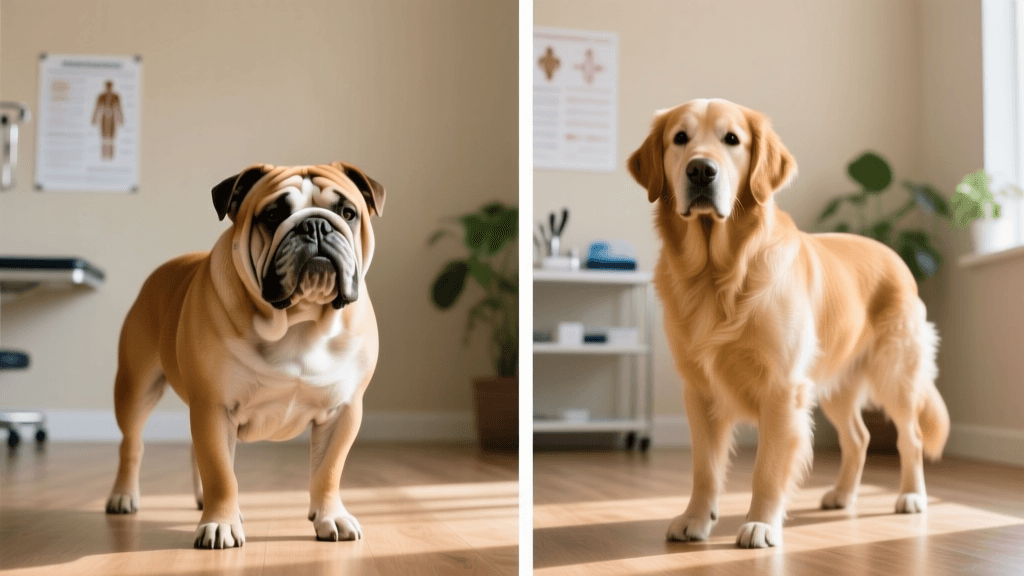
Brachycephalic breeds, including French Bulldogs, Pugs, English Bulldogs, and Boston Terriers, have been selectively bred for a shortened snout and flattened face. While this achieves a specific cosmetic look, it compresses the upper respiratory tract into a much smaller space without reducing the amount of soft tissue. This anatomical mismatch leads to Brachycephalic Obstructive Airway Syndrome (BOAS). According to the American College of Veterinary Surgeons (ACVS), BOAS is characterized by stenotic nares (narrowed nostrils), an elongated soft palate, and a hypoplastic trachea. Dogs with BOAS must work significantly harder to breathe, which can lead to chronic sleep apnea, exercise intolerance, heatstroke, and secondary gastrointestinal issues like hiatal hernias.
Beyond respiratory distress, the compressed skull leads to severe dental crowding. Because a brachycephalic dog has the same number of teeth as a longer-snouted dog but a fraction of the jaw space, teeth frequently grow in overlapping, misaligned directions. This traps food and bacteria, accelerating periodontal disease and often necessitating multiple professional dental extractions under general anesthesia—a procedure that carries elevated risks for dogs with compromised airways.
Ocular health is another major concern. The shallow eye sockets of flat-faced breeds cause the eyes to protrude (exophthalmos), making them highly susceptible to corneal ulcers, dry eye (keratoconjunctivitis sicca), and traumatic injuries. Furthermore, the prominent facial skin folds create a warm, moist environment that is a breeding ground for bacterial and yeast infections, requiring lifelong daily cleaning and routine medicated wipes.
The Mesocephalic Advantage
Mesocephalic breeds, such as Labrador Retrievers, Golden Retrievers, Beagles, and mixed-breed dogs, possess a naturally proportioned skull. Their airways are unobstructed, allowing for efficient thermoregulation (panting) and high exercise tolerance. While no breed is entirely free from genetic health risks—mesocephalic breeds are notably prone to orthopedic issues like hip and elbow dysplasia, as well as certain cancers—their baseline structural anatomy does not inherently compromise their daily ability to breathe, eat, or sleep comfortably.
Lifetime Veterinary Costs: A Financial Breakdown
The financial disparity between owning a brachycephalic dog and a mesocephalic dog is staggering. When budgeting for a new pet, prospective owners must look beyond the initial purchase price and consider the lifetime cost of veterinary care, specialized diets, and pet insurance premiums.
For brachycephalic breeds, routine care often crosses into surgical intervention. A soft palate resection or nostril widening surgery (rhinoplasty) to alleviate BOAS typically costs between $2,500 and $6,000 per procedure. Furthermore, pet insurance companies assess risk based on breed predispositions. It is common for monthly insurance premiums for a French Bulldog to be 50% to 100% higher than those for a mesocephalic breed of similar size, and many policies may exclude pre-existing congenital conditions if not enrolled immediately at 8 weeks of age.
| Breed Type | Example Breeds | Avg Lifespan | Est. Lifetime Vet Cost | Top Health Risk |
|---|---|---|---|---|
| Brachycephalic | French Bulldog, Pug | 9 - 11 Years | $12,000 - $18,000+ | BOAS & Dental Disease |
| Mesocephalic | Labrador, Beagle | 11 - 13 Years | $6,000 - $10,000 | Orthopedic & Obesity |
| Dolichocephalic | Greyhound, Collie | 10 - 12 Years | $7,000 - $11,000 | Dental & Bloat (GDV) |
Note: Lifetime veterinary costs are estimates based on routine care, emergency visits, and breed-specific surgical interventions over a standard lifespan, excluding the initial purchase or adoption fee and daily consumables.
Lifespan and Quality of Life Metrics
When comparing breeds, longevity and the quality of those years are paramount. Extensive veterinary data highlights a concerning trend regarding the lifespan of extreme brachycephalic breeds. A landmark Royal Veterinary College's VetCompass study published in Scientific Reports found that French Bulldogs have a significantly reduced life expectancy compared to other breeds and crossbreeds. The study revealed that the median life expectancy for French Bulldogs at birth was just 4.53 years, largely driven by high rates of respiratory disorders, spinal diseases, and surgical interventions required in their early years.
In contrast, mesocephalic breeds like the Labrador Retriever or crossbreed dogs generally enjoy a median lifespan of 11 to 13 years. More importantly, their healthspan—the number of years lived free from severe chronic disease—is typically much longer. A mesocephalic dog is far more likely to spend its senior years enjoying walks and play, whereas a brachycephalic dog may spend its middle and senior years managing chronic hypoxia (low oxygen), sleep deprivation, and mobility issues secondary to spinal deformities (like hemivertebrae in screw-tailed breeds).
Actionable Steps for Selecting a Healthy Breed
If you are in the process of selecting a dog, prioritizing health and wellbeing over extreme cosmetic traits is the most compassionate choice you can make. Here is a practical, step-by-step guide to ensuring you bring home a healthy companion:
1. Demand Health Testing Documentation
Reputable breeders will proactively provide health clearances for the sire and dam. For mesocephalic breeds, look for hip and elbow evaluations from the Orthopedic Foundation for Animals (OFA) or PennHIP, alongside breed-specific genetic panels (e.g., PRA for eye health or EIC for exercise-induced collapse). If you are determined to adopt a brachycephalic breed, ask the breeder if they utilize functional respiratory grading schemes (such as the RVC Respiratory Function Grading Scheme) to ensure they are only breeding dogs with open, healthy airways.
2. Time Your Pet Insurance Enrollment
Enroll your puppy in a comprehensive pet insurance policy within the first week of bringing them home, ideally before their first 8-week veterinary checkup. Insurance providers do not cover pre-existing conditions. If a vet notes a slight wheeze or an elongated soft palate during a routine puppy exam before your policy's waiting period ends, any future BOAS surgeries will be permanently excluded from your coverage.
3. Consider the 'Retro-Pug' or Mixed Breeds
If you love the personality of brachycephalic dogs but are wary of the severe health and financial burdens, consider 'retro-breeds' (like the Retro Pug, which is bred for a longer snout and longer legs) or mixed-breed rescues. Mixed breeds benefit from hybrid vigor, significantly reducing the likelihood of inheriting recessive genetic disorders and extreme structural deformities.
4. Assess Your Lifestyle and Environment
Brachycephalic dogs cannot regulate their body temperature efficiently. If you live in a hot, humid climate, or if you are an active owner who enjoys hiking, running, or spending long hours at the beach, a brachycephalic dog will be a poor and potentially dangerous fit. Mesocephalic and dolichocephalic breeds are vastly superior choices for active households, as their anatomy supports sustained cardiovascular exertion and efficient cooling.
Conclusion
Choosing a dog breed is a profound responsibility that extends far beyond puppyhood. By understanding the deep-seated anatomical differences between brachycephalic and mesocephalic breeds, you can make a selection that ensures a higher quality of life for your future pet and protects your household from unforeseen emotional and financial distress. Prioritizing functional health over extreme aesthetics is the ultimate act of love for your future canine companion, ensuring they have the breath, vitality, and longevity to enjoy a full, happy life by your side.
robin-maitland
All our authors care for dogs every day — read more of their work on the authors page.