Budget-Friendly DIY Dog Enrichment Toys and Brain Games
Discover budget-friendly DIY dog enrichment toys and brain games. Keep your pup mentally stimulated without breaking the bank using household items.
The Rising Cost of Canine Enrichment
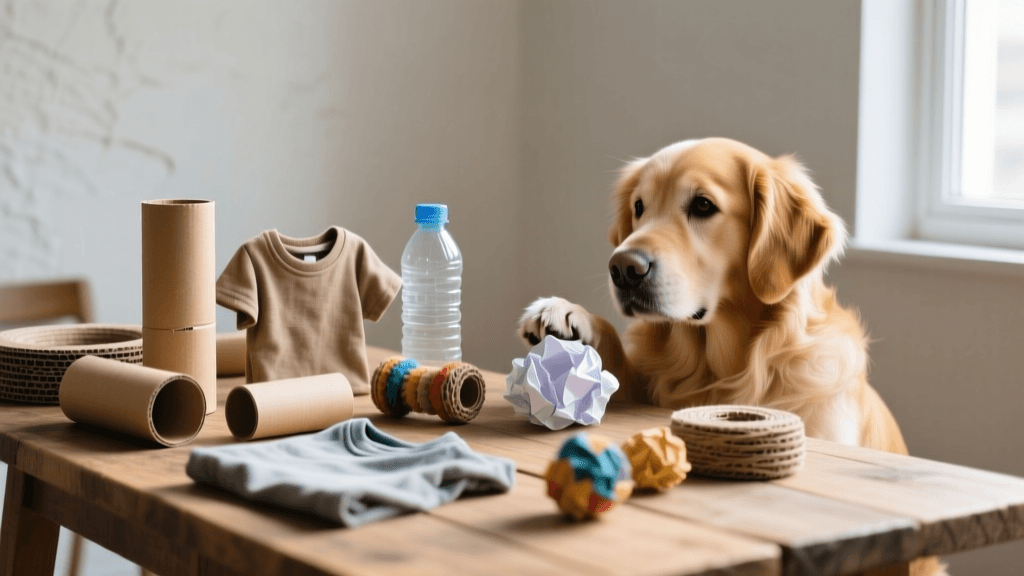
As pet parents, we all want to provide the best possible life for our furry companions. However, the rising cost of pet care, from premium kibble to veterinary visits, can quickly strain a household budget. One area where owners often feel pressured to overspend is canine enrichment. Walk into any big-box pet store, and you will find aisles lined with commercial puzzle toys, snuffle mats, and interactive treat dispensers, many of which carry price tags ranging from $25 to over $60. While these commercial products are fantastic, they are not strictly necessary for keeping your dog mentally stimulated. With a little creativity and some common household items, you can create highly effective, budget-friendly DIY dog enrichment toys that rival their expensive store-bought counterparts.
The Science Behind Mental Stimulation
Before diving into DIY projects, it is essential to understand why mental stimulation is just as critical as physical exercise. According to the American Kennel Club (AKC), mental enrichment helps prevent boredom, reduces destructive behaviors, and can even slow cognitive decline in senior dogs. In fact, veterinary behaviorists often note that fifteen minutes of intensive sniffing and foraging can lower a dog's heart rate and provide as much mental fatigue as a one-mile walk. The Best Friends Animal Society also heavily advocates for daily enrichment, emphasizing that allowing dogs to engage in natural behaviors like foraging, chewing, and problem-solving significantly improves their overall welfare and reduces shelter-related stress. By shifting our focus from expensive gadgets to natural behavioral outlets, we can save money while boosting our dogs' happiness.
5 Budget-Friendly DIY Enrichment Toys
1. The Classic Muffin Tin Puzzle
This is arguably the easiest and most cost-effective DIY puzzle toy you can make, especially if you already have the necessary items in your kitchen. Materials needed: A standard 12-cup metal or silicone muffin tin, 12 tennis balls (or similarly sized dog-safe balls), and your dog's daily kibble or small training treats. Cost: $0 (assuming you own a muffin tin and tennis balls). Instructions: Place a few pieces of kibble or high-value treats into each of the 12 muffin cups. Next, place a tennis ball over each cup to hide the food. Your dog will have to use their nose to locate the treats and their paws or snout to knock the tennis balls out of the way to access their reward. For advanced puzzle solvers, only place treats in half of the cups, forcing them to discriminate between empty and full cups using their sense of smell.
2. The DIY Towel Snuffle Roll
Commercial snuffle mats can cost upwards of $40, but you can replicate the exact same foraging experience using an old bath towel. Materials needed: An old, clean bath towel (approximately 27x54 inches) and dry kibble. Cost: $0. Instructions: Lay the towel completely flat on the floor. Evenly sprinkle a quarter cup of your dog's kibble across the entire surface. Starting from one of the short ends, tightly roll the towel up into a long cylinder. Once rolled, you can either leave it as a simple roll for beginners or twist it tightly and tie it into a loose knot for advanced foragers. Place the towel roll on the floor and let your dog sniff, nudge, and unroll the fabric to find their meal. This toy is excellent for fast eaters, as it naturally slows down their feeding pace and encourages natural scavenging instincts.
3. Upcycled PVC Pipe Treat Dispenser
Interactive treat-dispensing toys like the Kong Wobbler are great, but a DIY PVC pipe dispenser is highly durable, customizable, and incredibly cheap to make. Materials needed: A 12-inch length of 3-inch diameter PVC pipe, two 3-inch PVC end caps, a power drill with a 1-inch spade bit, and medium-grit sandpaper. Cost: Approximately $8 to $12 at local hardware stores like Home Depot or Lowe's. Instructions: Drill four to five 1-inch holes randomly along the side of the PVC pipe. Use the sandpaper to thoroughly smooth out the edges of the holes and the ends of the pipe to prevent any sharp plastic burrs from scratching your dog's mouth or paws. Securely glue one end cap in place using PVC cement, leaving the other end cap unglued so you can remove it to refill the toy. Fill the pipe with kibble or small treats, snap the loose cap on, and let your dog roll it around the house. As the pipe rolls, treats will fall out of the drilled holes.
4. The Cardboard Box Destruction Zone
Dogs love to destroy things, and channeling this urge into a safe, controlled environment can save your furniture. Materials needed: Various clean cardboard boxes (shoe boxes, cereal boxes, delivery boxes), packing paper, and high-value treats. Cost: $0 (using recycling bin items). Instructions: Remove all staples, plastic tape, and shipping labels from the boxes. Place a few treats inside a small cereal box and close it. Then, place that cereal box inside a larger shoe box, adding more treats and crumpled packing paper between the layers. Finally, put the shoe box inside a large delivery box. Present this 'nesting doll' of cardboard to your dog. They will have to tear, shred, and dig through the layers to find their prizes. This is highly satisfying for dogs with high prey drive or those who love to shred, and it costs absolutely nothing.
5. Frozen Broth Popsicles and Lick Mats
Licking is a naturally soothing behavior for dogs that releases endorphins and reduces anxiety. Materials needed: Silicone ice cube trays or specialized dog lick mats, low-sodium chicken or beef broth (ensure it contains NO onions or garlic), and dog-safe mix-ins like plain pumpkin puree or peanut butter (xylitol-free). Cost: Approximately $3 to $5. Instructions: Mix one cup of low-sodium broth with two tablespoons of plain pumpkin puree. Pour the mixture into a silicone ice cube tray, dropping a small dollop of peanut butter into the center of each cube. Freeze for 4 to 6 hours until solid. Alternatively, smear the peanut butter and pumpkin mixture directly onto a textured silicone lick mat and freeze it. These frozen treats are perfect for hot summer days, crate training sessions, or keeping your dog occupied while you work from home.
Cost Comparison: Store-Bought vs. DIY Enrichment
To truly understand the financial benefits of DIY dog enrichment, let us look at a direct cost comparison between popular commercial products and their homemade alternatives.
| Enrichment Type | Commercial Product Example | Average Retail Cost | DIY Alternative | Estimated DIY Cost | Total Savings |
|---|---|---|---|---|---|
| Puzzle Feeder | Outward Hound Dog Brick | $24.99 | Muffin Tin Puzzle | $0.00 | $24.99 |
| Snuffle Mat | Paw5 Wooly Snuffle Mat | $45.00 | Towel Snuffle Roll | $0.00 | $45.00 |
| Treat Dispenser | Kong Wobbler | $28.99 | PVC Pipe Dispenser | $10.00 | $18.99 |
| Lick Mat / Soother | Hyper Pet IQ Lick Mat | $14.99 | Frozen Broth Popsicles | $4.00 | $10.99 |
As the table illustrates, utilizing items you already have around the house or making simple hardware store runs can save you nearly $100 on a basic enrichment starter kit.
Free Brain Games to Play Daily
Enrichment is not solely about physical toys; it is also about how you interact with your dog and structure their environment. The ASPCA Dog Behavior Resources highlights that interactive play and training are vital components of a well-rounded enrichment plan. Here are three free brain games you can integrate into your daily routine:
- Hide and Seek: Have your dog sit and stay in one room (or have a family member hold them). Walk to another room and hide behind a door or under a blanket. Call your dog's name once and wait. When they find you, reward them with enthusiastic praise and a treat. This game reinforces recall skills and provides excellent mental tracking practice.
- Scent Trails (Find It): Start by showing your dog a high-value treat, then place it on the floor and say 'Find it.' Once they understand the cue, begin hiding treats around the living room while they wait in another room. Encourage them to use their nose rather than their eyes to track down the hidden rewards.
- Shaping Games: Shaping involves rewarding successive approximations of a desired behavior. Place a random object, like a cardboard box or a sturdy plastic bucket, on the floor. Click or say 'Yes' and treat your dog for any interaction with the object—looking at it, sniffing it, touching it with a paw, or climbing into it. This builds confidence and encourages creative problem-solving.
Crucial Safety Guidelines for DIY Toys
While DIY toys are fantastic for your wallet, safety must always remain your top priority. Dogs explore the world with their mouths, and improper materials can lead to choking hazards or intestinal blockages. Always supervise your dog when introducing a new DIY toy, especially those involving cardboard, towels, or PVC. If your dog is an aggressive chewer who tends to swallow fabric or plastic, avoid the towel roll and PVC pipe, and opt for the frozen broth popsicles or scent games instead. When using cardboard, meticulously remove all staples, packing tape, and glossy plastic coatings. When building the PVC dispenser, ensure the end caps are secured tightly so your dog cannot pry them off and choke on the plastic. Finally, always ensure that any food items used in your enrichment games, such as peanut butter, are completely free of xylitol (birch sugar), which is highly toxic to dogs.
Conclusion
Providing a rich, stimulating life for your dog does not require a massive financial investment. By understanding the core behavioral needs of your pet and leveraging everyday household items, you can create a diverse rotation of budget-friendly DIY dog enrichment toys and brain games. Not only will you save hundreds of dollars a year, but you will also deepen your bond with your dog through interactive play, training, and shared problem-solving. Remember, to a dog, the value of a toy is not determined by its price tag, but by the fun, engagement, and mental satisfaction it provides.
tom-renshaw
All our authors care for dogs every day — read more of their work on the authors page.