DIY Dog Dental Chews and Safe Homemade Toothpaste Guide
Discover safe, effective DIY dog dental chews and homemade toothpaste recipes to boost your pup's oral health and save money on vet bills.
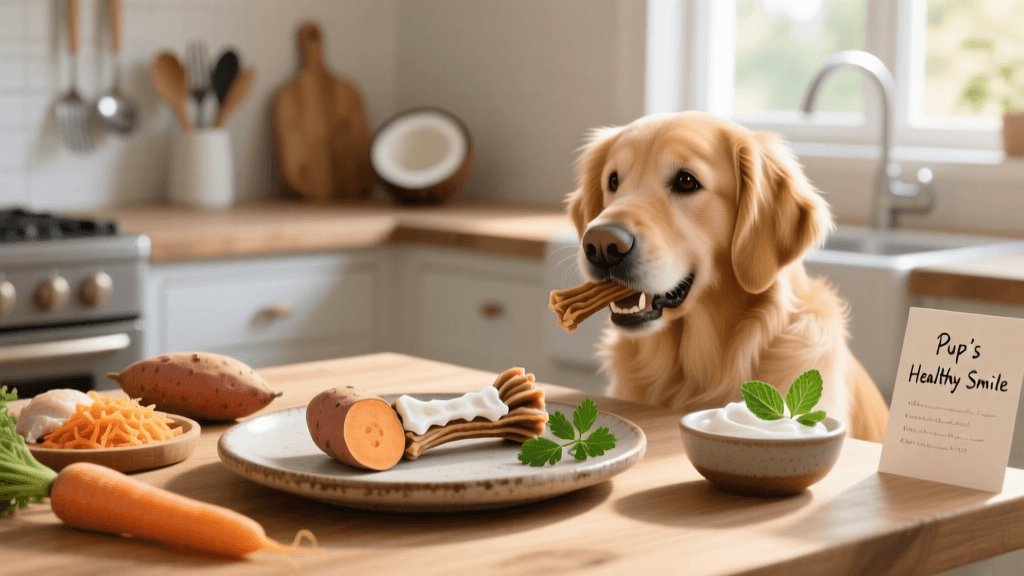
The Importance of Canine Oral Health
When we think about our dog's overall health and wellbeing, we often focus on their diet, exercise routines, and joint health. However, canine oral health is a critical pillar of their overall wellness that is frequently overlooked. According to the American Veterinary Medical Association (AVMA), periodontal disease is the most common clinical condition occurring in adult dogs and cats, and it is entirely preventable. By the time a dog reaches three years of age, most will have at least some evidence of periodontal disease, which can lead to pain, tooth loss, and even systemic infections affecting the heart, liver, and kidneys.
While professional veterinary dental cleanings under anesthesia are the gold standard for removing subgingival tartar, daily at-home maintenance is the key to preventing plaque buildup between visits. This is where DIY and homemade solutions can play a fantastic, cost-effective role in your dog's daily wellness routine. By crafting your own dental chews and toothpaste, you gain complete control over the ingredients, ensuring that every bite and brush is safe, nutritious, and tailored to your dog's specific taste preferences.
Crucial Safety Warnings for DIY Dog Dental Care
Before diving into the kitchen, it is absolutely vital to understand what not to use. Human dental products and certain 'healthy' human foods can be highly toxic to dogs.
- Never Use Human Toothpaste: Human toothpastes often contain fluoride and foaming agents that are toxic when swallowed. Dogs do not know how to spit, so they ingest everything you put on their brush.
- The Xylitol Threat: Xylitol is an artificial sweetener found in many sugar-free human products, including some natural peanut butters. According to the U.S. Food and Drug Administration (FDA), xylitol is highly toxic to dogs and can cause a rapid, life-threatening drop in blood sugar (hypoglycemia) and severe liver failure. Always read the ingredient label on any peanut butter you buy to ensure it contains only peanuts and salt.
- Avoid Essential Oils: While some holistic blogs recommend peppermint or tea tree oil for 'fresh breath,' these can be toxic to dogs, causing central nervous system depression and gastrointestinal distress.
Recipe 1: DIY Peanut Butter and Coconut Oil Dental Chews
Coconut oil is a powerhouse ingredient for canine health. It contains lauric acid, which has natural antibacterial, antiviral, and antifungal properties. When combined with the abrasive texture of a frozen chew, it helps mechanically scrape plaque off the teeth while soothing inflamed gums.
Ingredients
- 1/2 cup of 100% pure, unrefined coconut oil (melted)
- 2 tablespoons of xylitol-free, dog-safe peanut butter
- 1 tablespoon of fresh parsley (finely chopped, for natural breath freshening)
- 1/4 cup of low-sodium bone broth (ensure it contains NO onions or garlic)
Equipment
- Silicone ice cube tray or specialized chew toy with crevices (like a Kong)
- Mixing bowl and spoon
Instructions
- In a mixing bowl, combine the melted coconut oil and dog-safe peanut butter. Stir until completely smooth and emulsified.
- Fold in the finely chopped fresh parsley and the low-sodium bone broth. The broth adds a high-value flavor profile that will entice even the pickiest eaters.
- Pour the mixture evenly into the silicone ice cube tray, or carefully spoon it into the crevices of a rubber chew toy.
- Place in the freezer for at least 3 to 4 hours, or until completely solid.
- Serving Size: Offer one frozen chew after your dog's main meal. The cold temperature helps reduce gum inflammation, while the act of gnawing scrapes away the day's plaque accumulation. Supervise your dog during chewing to prevent choking.
Recipe 2: Homemade Poultry-Flavored Dog Toothpaste
Commercial dog toothpastes are often packed with artificial preservatives and glycerin. Making your own toothpaste is surprisingly simple, highly effective, and costs pennies per batch. This recipe uses baking soda for gentle abrasion and poultry seasoning to make the brushing experience something your dog actually looks forward to.
Ingredients
- 2 tablespoons of baking soda (provides gentle abrasion and neutralizes mouth odors)
- 1 tablespoon of coconut oil (softened to a paste consistency)
- 1 teaspoon of low-sodium chicken or beef bouillon powder (ensure it is onion and garlic-free)
- 1/2 teaspoon of water (to adjust consistency)
Instructions
- In a small glass jar, mix the softened coconut oil and baking soda until it forms a thick, gritty paste.
- Sprinkle in the onion-free and garlic-free bouillon powder and mix thoroughly. The strong poultry scent will mask the chemical smell of the baking soda.
- Add water drop by drop until you reach a spreadable, paste-like consistency. If it is too runny, add a pinch more baking soda.
- Storage: Store the jar in the refrigerator for up to two weeks. The coconut oil will harden, so you may need to let it sit at room temperature for five minutes before brushing.
- Usage: Apply a pea-sized amount to a dog-specific toothbrush or a silicone finger brush. Brush in gentle, circular motions, focusing on the outer surfaces of the teeth and the gum line.
Comparison: Commercial vs. DIY Dental Solutions
Why go through the trouble of making your own dental products when the pet store aisles are stocked with options? The table below breaks down the key differences between store-bought and homemade dental care solutions.
| Feature | Commercial Dental Chews & Pastes | DIY Homemade Solutions |
|---|---|---|
| Ingredient Control | Low. Often contain artificial colors, preservatives, and hidden sugars. | High. You select every ingredient, avoiding allergens and toxins. |
| Cost Effectiveness | High cost over time ($15 to $30 per month). | Extremely low cost (pennies per batch using pantry staples). |
| Convenience | High. Grab and go straight from the packaging. | Moderate. Requires prep time, mixing, and freezing. |
| Flavor Customization | Limited to standard flavors (beef, chicken, mint). | Endless. Can tailor to your dog's specific favorite foods. |
| Caloric Intake | Often high in calories and carbohydrates. | Controllable. Can use low-calorie broths and measured oils. |
Best Practices for a Successful DIY Dental Routine
Creating the products is only half the battle; implementing a successful routine is where the real health benefits are realized. The American Kennel Club (AKC) recommends brushing your dog's teeth daily, but even two to three times a week can make a significant difference in plaque prevention.
Desensitization is Key
If your dog is not used to having their mouth handled, do not force the toothbrush on day one. Start by letting them lick the homemade poultry toothpaste off your finger. Praise them heavily. Over the next few days, gently rub the paste along their gum line with your bare finger. Only introduce the toothbrush once they are completely comfortable with the taste and the sensation of their mouth being touched.
Timing Matters
The best time to offer your DIY frozen dental chew is immediately after a meal. During eating, the mechanical action of kibble and the production of saliva naturally loosen some debris. Following up with a frozen coconut oil chew maximizes the plaque-scraping effect and leaves their mouth feeling clean and soothed.
Know When to See the Vet
While DIY solutions are excellent for preventive maintenance, they cannot cure existing dental disease. If your dog has severe tartar buildup (thick, brown, crusty deposits on the teeth), red and bleeding gums, or exhibits signs of pain when eating, you must consult your veterinarian. Once the hard calculus is removed professionally, your homemade chews and toothpaste will be highly effective at keeping the teeth clean and delaying the need for future anesthetized cleanings.
Conclusion
Taking a DIY approach to your dog's dental care is a rewarding endeavor that pays dividends in both your pet's long-term health and your wallet. By utilizing safe, natural ingredients like coconut oil, baking soda, and dog-safe peanut butter, you can create highly effective dental chews and toothpastes right in your own kitchen. Remember to always prioritize safety by strictly avoiding xylitol and toxic essential oils, and maintain a consistent, positive brushing and chewing routine. Your dog's bright smile and fresh breath will be the ultimate reward for your homemade efforts.
anouk-beaumont
All our authors care for dogs every day — read more of their work on the authors page.