Hydrolyzed vs Novel Protein Diets for Dog Food Allergies
Discover the differences between hydrolyzed and novel protein diets for dogs with food allergies. Learn dosages, costs, and top veterinary brands.
The Rise of Adverse Food Reactions (AFR) in Dogs
When a dog suffers from chronic itchy skin, recurrent ear infections, or persistent gastrointestinal upset, veterinarians often suspect an Adverse Food Reaction (AFR). While the term 'food allergy' is thrown around casually in the pet care community, true IgE-mediated food allergies are relatively rare compared to food intolerances. However, the clinical management for both remains identical: a strict, meticulously controlled elimination diet trial. According to the World Small Animal Veterinary Association (WSAVA), accurate diagnosis requires feeding a diet that completely eliminates the offending antigen, allowing the immune system and gut microbiome to reset. For dog owners navigating this frustrating journey, the two primary veterinary solutions are novel protein diets and hydrolyzed protein diets. Understanding the biochemical and practical differences between these two approaches is critical for a successful outcome.
Novel Protein Diets: The Exotic Approach
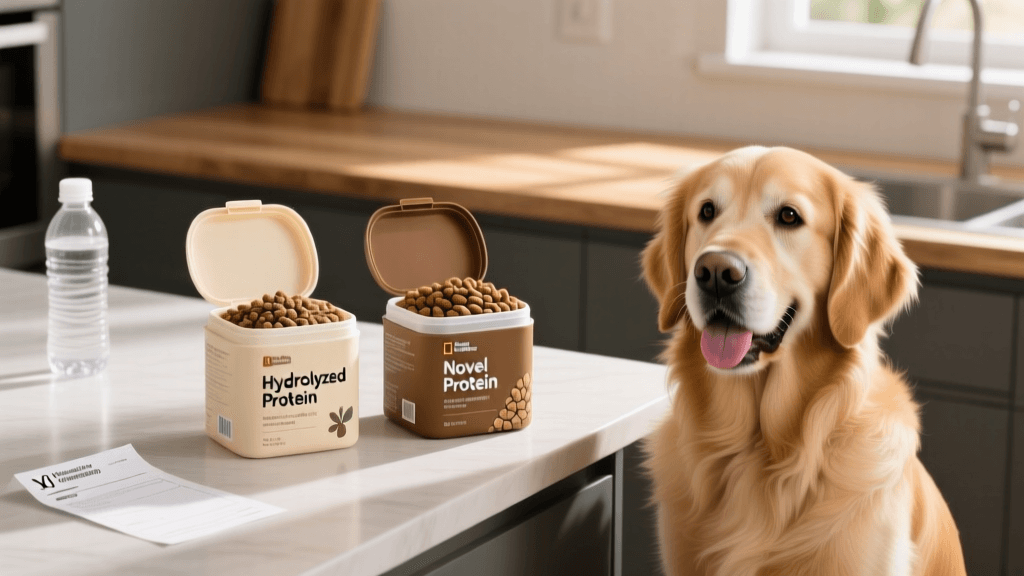
A novel protein diet relies on the principle of immune naivety. The concept is straightforward: if a dog's immune system has never encountered a specific protein source, it cannot have developed an allergic response to it. Common novel proteins include rabbit, venison, kangaroo, alligator, and pheasant. These diets are particularly useful for dogs who have been fed a wide variety of common commercial diets containing chicken, beef, or lamb.
However, the source of the novel protein matters immensely. Over-the-counter (OTC) 'limited ingredient' novel protein diets are frequently plagued by cross-contamination. A landmark study by Olivry and Mueller (2016) revealed that a significant percentage of OTC novel protein diets contain undeclared animal proteins due to shared manufacturing equipment. For a dog with a severe chicken allergy, an OTC venison diet processed on the same line as chicken kibble can trigger a massive allergic flare-up, leading owners to falsely believe their dog is allergic to venison. Therefore, veterinary dermatologists strongly recommend prescription novel protein diets, which are manufactured on dedicated production lines with rigorous batch testing.
Hydrolyzed Protein Diets: The Molecular Solution
If novel proteins rely on the immune system's lack of memory, hydrolyzed proteins rely on molecular disguise. Hydrolysis is a chemical process that uses water and enzymes to cleave the peptide bonds of a protein chain, breaking it down into smaller fragments called peptides and amino acids. The canine immune system requires a protein molecule to be of a certain size (typically above 10 to 12 kilodaltons, or kDa) to be recognized by IgE antibodies and trigger an allergic cascade.
Prescription hydrolyzed diets, such as Hill's Prescription Diet z/d or Purina Pro Plan HA, reduce the molecular weight of the protein (often soy or chicken feather meal) to below 5 kDa. At this microscopic size, the protein is entirely invisible to the dog's immune system. Even if a dog has a severe, life-threatening allergy to chicken, a fully hydrolyzed chicken-based diet will not trigger a reaction because the molecular 'epitopes' that the antibodies recognize have been destroyed. Ultra-hydrolyzed diets, like Royal Canin Ultamino, push this boundary even further, breaking proteins down to the amino acid level, making them the gold standard for the most refractory cases of canine inflammatory bowel disease (IBD) and severe cutaneous adverse food reactions.
Comparison Chart: Novel vs. Hydrolyzed Diets
| Feature | Prescription Novel Protein | Prescription Hydrolyzed | Ultra-Hydrolyzed |
|---|---|---|---|
| Protein Source | Rabbit, Venison, Duck | Soy, Chicken Feather | Poultry Feather |
| Molecular Weight | Intact (High kDa) | Less than 5-10 kDa | Less than 3 kDa |
| Cross-Contamination Risk | Very Low (Rx only) | None | None |
| Palatability | High (Tastes like meat) | Moderate (Slightly bitter) | Low to Moderate |
| Best Use Case | Picky eaters, mild AFR | Standard AFR, IBD | Severe IBD, multi-allergy dogs |
| Average Cost (per lb) | $6.00 - $7.50 | $7.00 - $8.50 | $9.00 - $11.00 |
Executing the 8-to-12 Week Elimination Diet Trial
Selecting the diet is only ten percent of the battle; the remaining ninety percent relies on the owner's strict adherence to the trial protocol. The Cornell University College of Veterinary Medicine emphasizes that an elimination trial must be absolute. Here is the step-by-step protocol for a successful trial:
Phase 1: The Strict Trial (8 to 12 Weeks)
- Duration: Skin symptoms typically take 8 to 12 weeks to resolve, while gastrointestinal symptoms may improve within 2 to 4 weeks. Do not stop the trial early.
- Zero Tolerance for Extras: Absolutely no table scraps, no flavored dental chews, no rawhides, and no pig ears. Even a single piece of cheese can reset the immunological clock and invalidate the trial.
- Medication Audit: Check all medications. Many heartworm preventatives (like beef-flavored chews) and NSAIDs contain flavoring agents derived from beef, pork, or soy. Work with your vet to switch to unflavored tablets or topical alternatives.
- Household Management: If you have multiple pets, it is often easiest to transition the entire household to the prescription diet to prevent accidental food stealing or litter box snacking (for cat-owning households).
Phase 2: The Provocation (Re-challenge)
If the dog's symptoms resolve after 12 weeks, you must perform a 'provocation test' to confirm the allergy. Reintroduce the dog's previous food or a specific pure protein (like cooked chicken breast). If the dog begins scratching or experiencing diarrhea within 3 to 7 days, a true adverse food reaction is confirmed. You then return to the prescription diet for long-term management.
Cost Analysis: What to Budget
Managing a dog with food allergies is a long-term financial commitment. For a medium-sized, 50-pound dog requiring roughly 2.5 cups of food per day, a 30-pound bag will last approximately one month. Here is what you can expect to budget monthly for prescription diets (prices vary by region and veterinary clinic):
- Royal Canin Selected Protein (Novel - e.g., Rabbit or Venison): ~$110 to $130 per 30lb bag.
- Hill's Prescription Diet z/d (Hydrolyzed): ~$120 to $140 per 30lb bag.
- Purina Pro Plan Veterinary Supplements HA Hydrolyzed: ~$105 to $125 per 30lb bag.
- Royal Canin Ultamino (Ultra-Hydrolyzed): ~$140 to $160 per 30lb bag.
While these costs are significantly higher than premium OTC kibble, they are often comparable to or slightly less than the cost of ongoing medications for chronic ear infections, Apoquel, or Cytopoint injections required to manage untreated allergic pruritus.
Hidden Pitfalls: Flavored Medications and Treats
The most common reason an elimination diet trial 'fails' is hidden ingredients in non-food items. Dog owners often overlook the following culprits:
- Toothpaste: Many enzymatic dog toothpastes are flavored with poultry, beef, or malt. Switch to an unflavored, veterinary-approved enzymatic paste or a simple water additive.
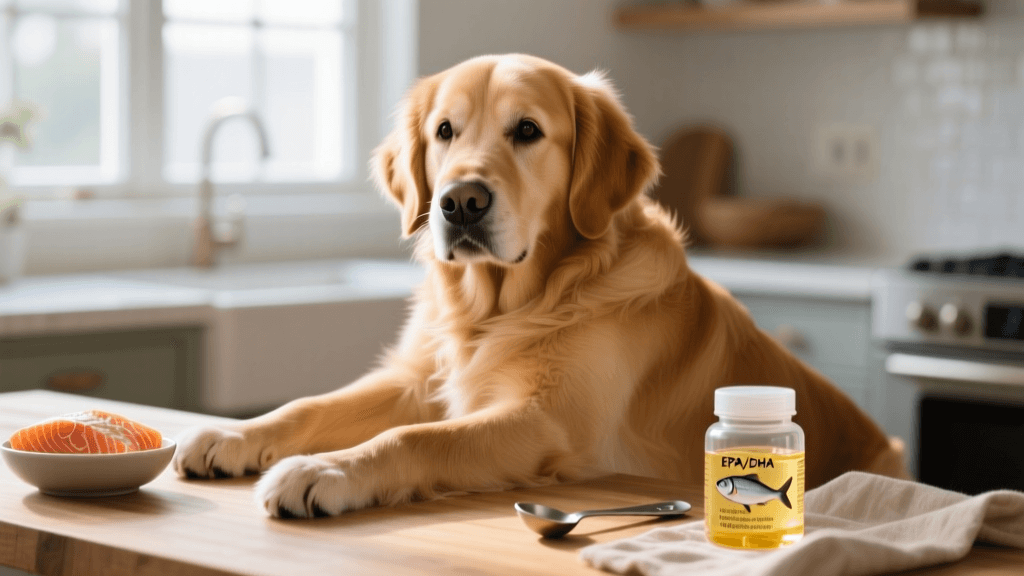
- Supplements: Joint supplements containing green-lipped mussel, or fish oil capsules that use gelatin derived from beef or pork, can trigger reactions. Ensure all supplements are vetted by your clinical nutritionist.
- Coprophagia Deterrents: Products designed to stop stool-eating often contain MSG, garlic, or meat-based flavorings to make the feces taste unappealing. These must be paused during the trial.
Veterinary Insight: 'A successful elimination diet trial requires the same level of precision as a medical procedure. The goal is not just to find a food the dog likes, but to establish a definitive diagnostic baseline. When in doubt, lean toward an ultra-hydrolyzed diet to eliminate the variable of cross-contamination entirely.'
Ultimately, whether you choose a prescription novel protein or a hydrolyzed option depends on your dog's specific medical history, palatability preferences, and your household's lifestyle. By partnering closely with your veterinarian and maintaining rigorous dietary discipline, you can successfully identify your dog's triggers and restore their health, comfort, and vitality.
hannah-wickes
All our authors care for dogs every day — read more of their work on the authors page.