Budget-Friendly Preventive Dog Care to Save Vet Bills
Discover budget-friendly preventive dog care tips. Learn how to save on dental, joint, and parasite wellness without compromising your pup's health.
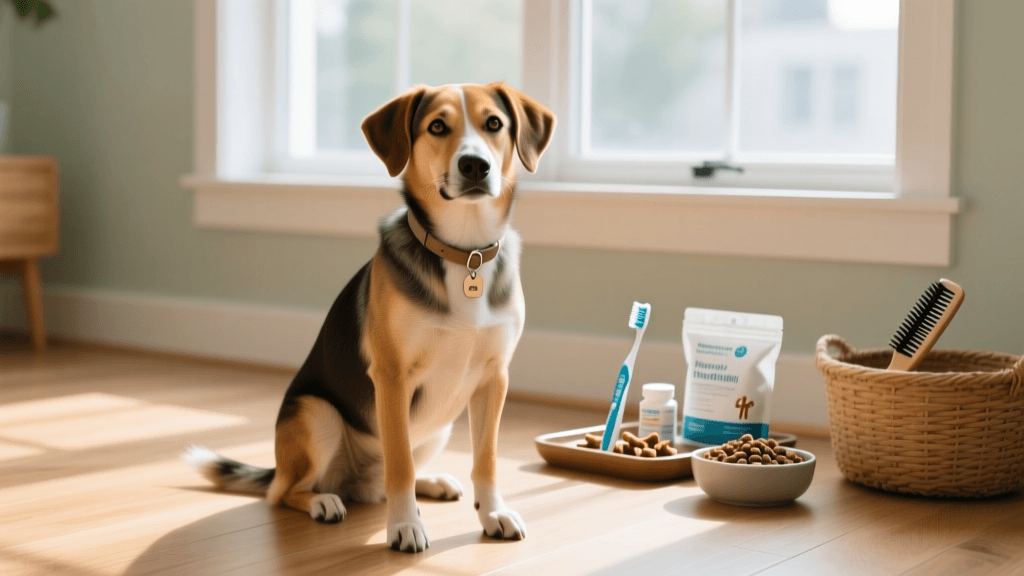
The True Cost of Reactive vs. Preventive Dog Care
As a dog owner, watching your furry companion thrive is your top priority, but the rising costs of veterinary care can make comprehensive wellness feel out of reach. According to industry data, emergency veterinary visits can easily cost between $1,000 and $3,000, while chronic disease management can drain thousands more over a dog's lifetime. However, the secret to long-term financial and medical success lies in proactive, budget-friendly preventive care. By shifting your focus from reactive treatments to daily at-home wellness routines, you can save hundreds—if not thousands—of dollars annually while significantly extending your dog's lifespan. This guide will walk you through highly actionable, cost-effective strategies for managing your dog's dental health, parasite prevention, joint mobility, and core vaccinations without compromising on quality.
At-Home Dental Care: Your Biggest Money Saver
Periodontal disease is one of the most common and preventable conditions in dogs, affecting over 80% of canines by the age of three. A professional veterinary dental cleaning, which requires general anesthesia, pre-anesthetic bloodwork, and full-mouth radiographs, typically costs anywhere from $500 to $1,200. If extractions are needed, that bill can easily double. The most budget-friendly alternative is a rigorous at-home dental care routine.
Step-by-Step Budget Dental Routine
- Invest in Enzymatic Toothpaste: Purchase a veterinary-formulated enzymatic toothpaste like Virbac C.E.T. or Vetradent (usually around $12 to $15 per tube). These contain enzymes that actively break down plaque biofilm. Never use human toothpaste, as ingredients like xylitol and fluoride are highly toxic to dogs.
- The Finger-to-Brush Transition: Start by wrapping a piece of sterile gauze around your index finger, applying a pea-sized amount of the enzymatic paste, and gently rubbing the outer surfaces of your dog's teeth. Once your dog is comfortable, transition to a dual-head canine toothbrush.
- VOHC-Approved Chews: Supplement your brushing with chews approved by the Veterinary Oral Health Council (VOHC). Products like Purina Pro Plan Veterinary Diets Dental Chewz or Greenies have a mechanical scraping action that reduces tartar buildup by up to 60%. Look for the official VOHC seal on the packaging to ensure the product actually works.
By dedicating just three minutes a day to brushing, you can delay or entirely eliminate the need for expensive anesthetic dental procedures. For more information on the importance of canine oral hygiene, refer to the guidelines provided by the American Veterinary Medical Association (AVMA).
Smart Parasite Prevention Without the Clinic Markup
Flea, tick, and heartworm preventives are non-negotiable for your dog's health. Heartworm treatment alone (melarsomine injections) can cost upwards of $1,000 and carries significant medical risks. While buying preventives directly from your vet is convenient, clinic markups can inflate the price by 20% to 40% compared to retail.
Sourcing Safe, Discounted Preventives
To save money, ask your veterinarian to write a prescription for your preferred preventive (such as Heartgard Plus, NexGard, or Simparica Trio) rather than purchasing it in-office. You can then fill this prescription through verified, legitimate online pet pharmacies like Chewy, 1-800-PetMeds, or PetCareRx. Buying in 6-month or 12-month supplies often unlocks additional auto-ship discounts.
Warning: Never purchase flea, tick, or heartworm medications from unverified third-party sellers on general marketplaces like Amazon or eBay. The U.S. Food and Drug Administration (FDA) has issued numerous warnings regarding counterfeit pet medications sold through unauthorized channels, which may contain incorrect dosages or toxic substances.
Joint Health: Weight Management and Omega-3s
Osteoarthritis and joint dysplasia are major financial burdens, with prescription joint diets and NSAID pain medications costing hundreds of dollars a year. The most effective, budget-friendly joint care strategy requires no medication at all: strict weight management.
The Kitchen Scale Method
Overfeeding is the primary driver of canine obesity, which exponentially increases the mechanical stress on a dog's joints. Most dog owners use plastic measuring cups, which can overestimate kibble volume by up to 20%. To fix this, purchase a cheap digital kitchen scale ($10 to $15). Weigh your dog's daily food allocation in grams based on the caloric guidelines on the back of the dog food bag. Feeding a dog at an ideal Body Condition Score (BCS of 4 or 5 out of 9) can add up to two years to their life and drastically reduce the onset of joint pain.
Budget-Friendly Joint Supplements
If your dog is a large breed or showing early signs of stiffness, skip the expensive, heavily marketed joint chews (which often contain negligible amounts of active ingredients) and opt for high-quality liquid Omega-3 fish oil. Products like Nordic Naturals Omega-3 Pet or Grizzly Salmon Oil provide concentrated EPA and DHA, which are scientifically proven to reduce joint inflammation. The general therapeutic dosage for joint support is roughly 50 to 75 mg of combined EPA/DHA per kilogram of body weight daily. A single $20 bottle can last a medium-sized dog several months, making it vastly more economical than $60 bottles of glucosamine chews.
Core Vaccines and Low-Cost Wellness Clinics
Vaccinations are a cornerstone of preventive health, but paying for a full-service wellness exam just to get a Rabies or DHPP (Distemper, Hepatitis, Parvovirus, Parainfluenza) booster is an unnecessary expense for otherwise healthy adult dogs. The ASPCA categorizes vaccines into "core" (essential for all dogs) and "lifestyle" (based on exposure risk, like Bordetella or Leptospirosis).
To save on core vaccines, look for low-cost mobile wellness clinics, local humane society vaccination drives, or Tractor Supply Co. weekend vaccine events. These clinics often charge $15 to $25 per core vaccine, compared to the $40 to $60 charged at private practices (plus the mandatory $60 exam fee). For lifestyle vaccines or annual bloodwork, you can still utilize your primary vet, but outsourcing the basic core boosters to subsidized clinics can cut your annual preventive budget in half.
Cost Comparison: Clinic vs. Budget-Friendly Alternatives
The table below illustrates the potential annual savings when shifting from exclusive in-clinic care to a proactive, budget-friendly at-home wellness routine.
| Preventive Care Task | Average Vet Clinic Cost | Budget-Friendly Alternative | Estimated Annual Savings |
|---|---|---|---|
| Professional Dental Cleaning | $500 - $1,200 | Daily enzymatic brushing + VOHC chews | $500 - $1,200 |
| Flea/Tick/Heartworm Meds | $250 - $400 | Verified online pharmacies (6-12 month bulk) | $50 - $150 |
| Joint Supplements | $60 - $120 | Bulk liquid Omega-3 fish oil (EPA/DHA) | $30 - $70 |
| Core Vaccines (DHPP, Rabies) | $100 - $250 | Low-cost mobile wellness clinics / shelter events | $50 - $150 |
| Obesity Management | $0 (Initial) / High long-term | Digital kitchen scale for precise gram feeding | Priceless (Joint & organ health) |
Final Thoughts on Budget Wellness
Budget-friendly dog care is not about cutting corners or skipping necessary medical treatments; it is about being an informed, proactive advocate for your pet. By mastering at-home dental care, sourcing preventives through verified online pharmacies, managing your dog's weight with a kitchen scale, and utilizing community vaccine clinics, you can provide top-tier healthcare while keeping your finances firmly in the green. Consistency is your greatest asset—spending ten minutes a day on preventive care will ultimately save you thousands of dollars and ensure your dog lives a longer, happier, and healthier life by your side.
aaron-whyte
All our authors care for dogs every day — read more of their work on the authors page.