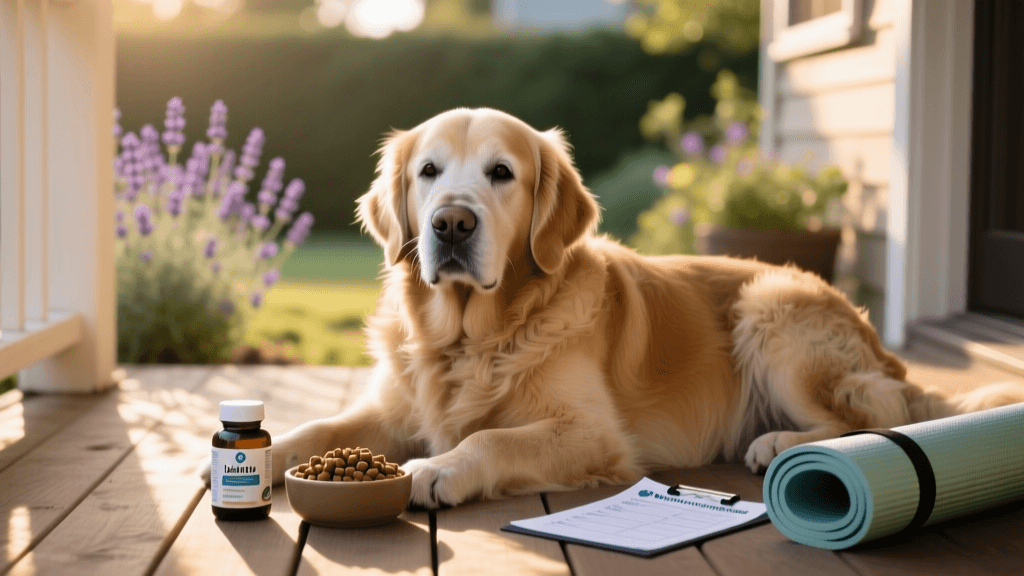
DIY Bone Broth and Joint Supplements for Senior Dogs
Learn how to make cost-effective DIY bone broth and homemade joint supplements to support mobility and ease arthritis pain in your senior dog.
Understanding Canine Osteoarthritis and Joint Health
As our beloved canine companions age, maintaining their mobility and comfort becomes a top priority for devoted pet owners. Joint issues, particularly osteoarthritis, are among the most common chronic conditions affecting senior dogs. According to the Cornell University College of Veterinary Medicine, osteoarthritis is a degenerative joint disease that causes the cartilage cushioning the joints to break down over time, leading to pain, stiffness, and a decreased range of motion. While veterinary interventions and prescription medications are crucial for managing severe cases, many pet owners are turning to holistic, DIY, and homemade solutions to provide daily, proactive joint support.
Creating homemade joint supplements and functional foods like bone broth allows you to control exactly what goes into your dog's body. It eliminates the artificial preservatives, fillers, and flavorings often found in commercial chews and powders. Furthermore, crafting these remedies at home can be significantly more cost-effective over the long term, especially for owners of large or giant breed dogs that require higher dosages of joint-supporting compounds like glucosamine, chondroitin, and omega-3 fatty acids.
The Science Behind DIY Bone Broth for Joints
Often referred to as 'liquid gold' in the holistic pet care community, bone broth is a nutrient-dense elixir made by simmering animal bones and connective tissue for an extended period. The American Kennel Club (AKC) notes that bone broth is rich in collagen, glucosamine, chondroitin, and amino acids like glycine and proline. These compounds are the exact building blocks required to maintain healthy cartilage, lubricate joints, and reduce systemic inflammation.
When bones and connective tissues are simmered slowly in an acidic medium, the collagen breaks down into easily digestible gelatin. This gelatin soothes the digestive tract while delivering a concentrated dose of joint-supporting minerals directly to your dog's bloodstream. Unlike store-bought broths, which are often loaded with sodium and toxic alliums like onions and garlic, homemade bone broth is entirely safe and specifically tailored to canine nutritional needs.
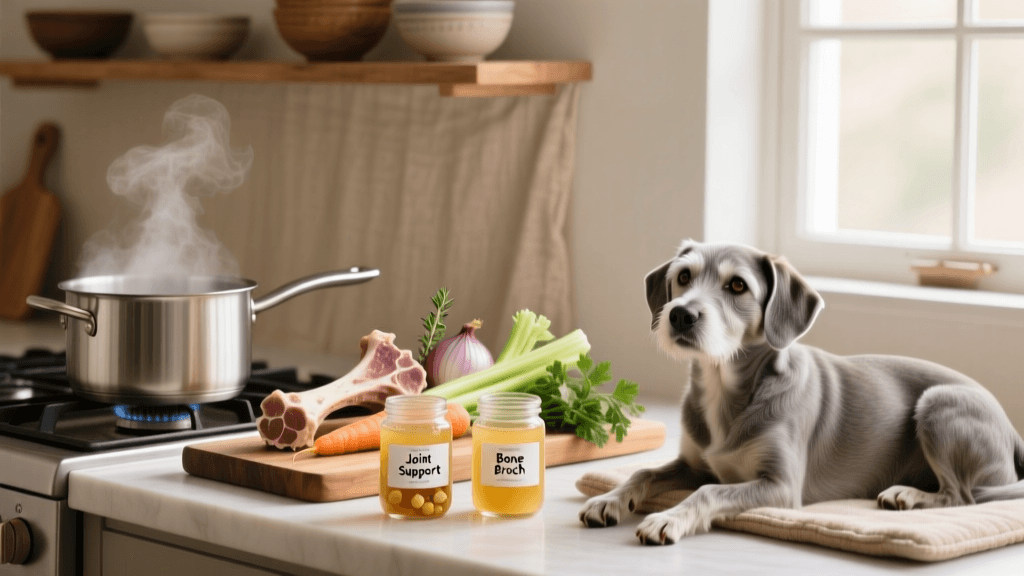
Slow Cooker Beef Knuckle Bone Broth Recipe
This recipe yields a large batch of highly gelatinous broth that can be frozen in portions for daily use. The total cost for ingredients is typically under $10, making it a fraction of the price of premium commercial bone broths.
- Ingredients:
- 3 to 4 pounds of raw beef knuckle bones or marrow bones (sourced from a local butcher or grass-fed beef supplier)
- 2 tablespoons of raw, unfiltered apple cider vinegar (with the 'mother')
- Filtered water (enough to cover the bones by 2 inches)
- Optional: 1 cup of chopped dog-safe vegetables (carrots, celery, and parsley)
Step-by-Step Instructions:
- Roast the Bones: Preheat your oven to 400°F (200°C). Place the bones on a baking sheet and roast for 30 minutes. This step enhances the flavor and helps draw out the nutrients.
- Combine in Slow Cooker: Transfer the roasted bones to a large slow cooker. Add the apple cider vinegar and let it sit for 30 minutes. The acidity of the vinegar is crucial as it helps leach calcium, magnesium, and collagen from the bone matrix.
- Add Water and Vegetables: Fill the slow cooker with filtered water until the bones are submerged by about two inches. Add the dog-safe vegetables if using.
- Simmer Low and Slow: Set your slow cooker to the 'Low' setting. Allow the broth to simmer for a minimum of 24 hours, and up to 48 hours for maximum collagen extraction. Check periodically to ensure the bones remain submerged, adding more water if necessary.
- Strain and Cool: Carefully strain the liquid through a fine-mesh sieve into large glass jars or heat-safe bowls. Discard the cooked bones, as cooked bones can splinter and pose a severe choking or intestinal blockage hazard.
- Skim the Fat: Refrigerate the broth for 12 to 24 hours. The fat will rise to the top and solidify into a hard, white layer. Scrape this fat off and discard it, as excessive dietary fat can trigger pancreatitis in dogs. The remaining liquid should have a thick, jelly-like consistency, indicating a high gelatin and collagen content.
Dosage: Add 1 to 2 tablespoons of warmed (not hot) bone broth per 20 pounds of body weight to your dog's daily meals.
Homemade Anti-Inflammatory 'Golden Paste' Topper
Turmeric has gained massive popularity in both human and veterinary holistic medicine due to its active compound, curcumin. Curcumin is a potent natural anti-inflammatory and antioxidant that has been shown to inhibit the enzymes responsible for joint inflammation and pain. However, curcumin is poorly absorbed by the canine digestive system on its own. To maximize bioavailability, it must be combined with a healthy fat and a small amount of piperine (found in black pepper).
Turmeric Golden Paste Recipe and Dosage
- Ingredients:
- 1/2 cup of organic turmeric powder
- 1 cup of filtered water
- 1/3 cup of cold-pressed, unrefined coconut oil or wild-caught salmon oil
- 1.5 teaspoons of freshly ground black pepper
Preparation:
- In a small saucepan, combine the turmeric powder and water. Stir continuously over medium-low heat for 7 to 10 minutes until a thick paste forms. If it becomes too dry, add a splash of water.
- Remove the pan from the heat and let it cool slightly.
- Stir in the coconut oil and black pepper until fully incorporated and smooth.
- Store the golden paste in a glass jar in the refrigerator for up to two weeks.
Dosage: Start with a small amount to avoid gastrointestinal upset. Begin with 1/4 teaspoon per day for small dogs, and 1 teaspoon per day for large dogs, gradually working up to 1/4 teaspoon per 10 pounds of body weight daily. Always mix it thoroughly into your dog's wet food.
DIY Eggshell Membrane Joint Supplement
Before you throw away your eggshells, consider their immense value for canine joint health. The thin, translucent membrane lining the inside of the eggshell is a powerhouse of natural glucosamine, chondroitin sulfate, hyaluronic acid, and collagen. Studies in veterinary nutrition have shown that natural eggshell membrane (NEM) can significantly reduce joint pain and improve flexibility in aging dogs.
How to Harvest and Prepare:
- Carefully crack organic, free-range eggs and empty the contents.
- Peel the inner membrane away from the hard shell. This requires patience and a gentle touch.
- Lay the membranes on a parchment-lined baking sheet and allow them to air dry completely, or bake them on the lowest oven setting (around 150°F) for 20 minutes until brittle.
- Grind the dried membranes in a clean coffee grinder or blender until they become a fine powder.
- Store in an airtight container in a cool, dark place.
Dosage: Sprinkle approximately 1/8 to 1/4 teaspoon of the powdered membrane over your dog's food daily. This provides a natural, highly bioavailable source of joint-lubricating compounds without the synthetic additives found in many commercial pills.
Commercial vs. DIY Joint Supplements: A Comparison
Understanding the differences between store-bought options and homemade remedies can help you make the best financial and health-conscious decisions for your pet. Below is a structured comparison outlining the key differences.
| Feature | Commercial Joint Chews/Powders | DIY Bone Broth & Homemade Topper |
|---|---|---|
| Cost per Month | $30.00 - $70.00+ | $5.00 - $15.00 (depending on sourcing) |
| Ingredient Transparency | Moderate (often contains fillers, binders, and artificial flavors) | Absolute (100% whole foods, zero hidden additives) |
| Bioavailability | Varies (synthetic isolates may be harder to absorb) | High (nutrients are in their natural, food-state matrix) |
| Preparation Time | None (ready to serve) | High (requires simmering, drying, or grinding) |
| Hydration Benefits | None (unless mixed with water) | Excellent (broth significantly boosts daily water intake) |
Crucial Safety Warnings and Veterinary Guidance
While DIY and homemade solutions offer incredible benefits, they must be approached with a strong understanding of canine safety and toxicology. The most critical rule when making homemade bone broth or meal toppers is to absolutely avoid all members of the allium family. According to the ASPCA Animal Poison Control Center, onions, garlic, chives, and leeks contain compounds called disulfides and thiosulphates, which are highly toxic to dogs and can cause hemolytic anemia, a life-threatening condition where red blood cells are destroyed.
Furthermore, never add salt, bouillon cubes, or artificial seasonings to your homemade broths. Dogs have a much lower tolerance for sodium than humans, and excess salt can lead to sodium ion poisoning, excessive thirst, urination, and kidney strain.
Finally, while homemade supplements are excellent for preventive care and mild joint stiffness, they should not replace veterinary treatment for severe osteoarthritis or acute injuries. Always consult with your primary veterinarian or a board-certified veterinary nutritionist before introducing new supplements into your dog's diet, especially if your dog is currently taking prescription non-steroidal anti-inflammatory drugs (NSAIDs), as natural blood thinners like turmeric can interact with certain medications. By combining professional veterinary care with these thoughtful, homemade nutritional boosters, you can help ensure your senior dog enjoys their golden years with comfort, vitality, and joy.
hannah-wickes
All our authors care for dogs every day — read more of their work on the authors page.