Dog Leash Reactivity: Diagnosing Fear vs Frustration
Discover how to diagnose if your dog's leash reactivity stems from fear or frustration, and learn actionable, step-by-step training solutions to restore peace.
The Epidemic of Leash Reactivity
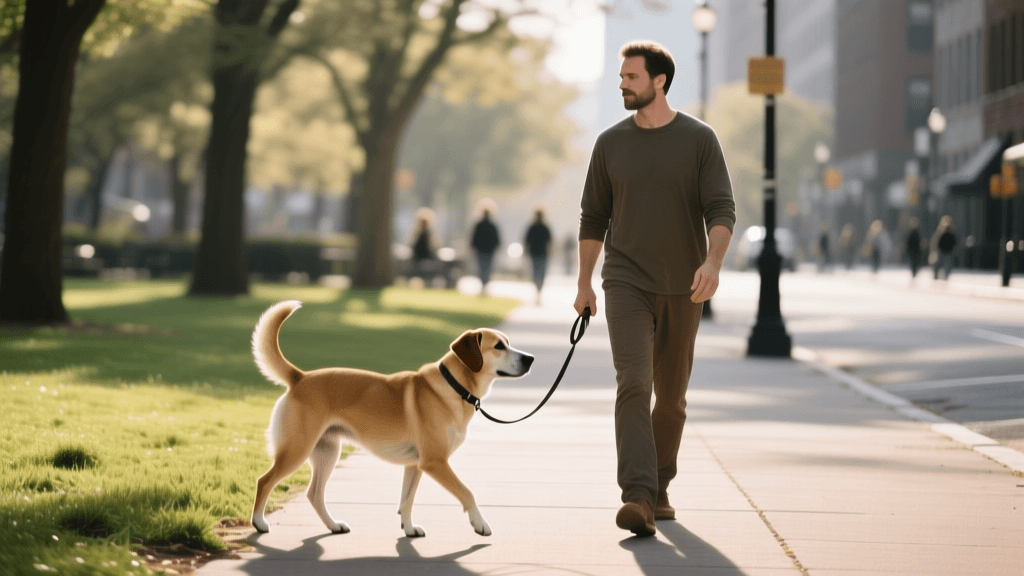
Leash reactivity is one of the most common and stressful behavioral issues reported by dog owners. It manifests as barking, lunging, growling, or frantic pulling when a dog is on a leash and exposed to specific triggers, such as other dogs, strangers, or bicycles. According to the ASPCA, reactivity is often misunderstood as outright aggression, but the underlying psychology is usually rooted in either fear or barrier frustration. Misdiagnosing the root cause can lead to ineffective or even harmful training methods that exacerbate the problem. To successfully rehabilitate a reactive dog, owners must first become amateur detectives, observing their dog's body language and environmental triggers to pinpoint the exact emotional driver behind the behavior.
When a dog reacts on a leash, the leash itself acts as a physical barrier that restricts the dog's natural fight-or-flight response. A dog that would normally choose to flee from a perceived threat is suddenly trapped, leading to a defensive outburst. Conversely, a highly social dog that wants to greet another dog but is held back by the leash may experience intense frustration, which boils over into vocalization and lunging. Understanding this distinction is the critical first step toward implementing the right behavioral modification protocol.
Diagnosing the Root Cause: Fear vs. Frustration
Before purchasing training gear or booking sessions with a professional, you must determine whether your dog is reacting out of fear (a desire to increase distance from the trigger) or frustration (a desire to decrease distance and interact with the trigger). The Fear Free initiative emphasizes that treating a frustrated dog like a fearful dog, or vice versa, can severely hinder progress. Below is a diagnostic comparison chart to help you identify your dog's primary emotional state.
| Behavioral Trait | Fear-Based Reactivity | Frustration-Based Reactivity |
|---|---|---|
| Primary Motivation | To make the trigger go away (increase distance). | To reach the trigger (decrease distance). |
| Body Language | Tucked tail, pinned ears, whale eye, cowering, tense muscles. | Wagging tail (often high and stiff), forward-leaning posture, pricked ears. |
| Vocalization | High-pitched barking, growling, snarling, sometimes whimpering. | Deep, rhythmic barking, whining, excited panting. |
| Trigger Distance | Reacts when the trigger enters their 'flight zone' (often 30-50+ feet). | Reacts as soon as the trigger is visible, escalating as they get closer. |
| Post-Trigger Behavior | Shakes off, sniffs the ground, attempts to hide or flee, remains stressed. | Calms down quickly once the trigger is out of sight or if allowed to greet. |
If your dog exhibits fear-based traits, the training focus must be on classical counter-conditioning to change their emotional response. If your dog exhibits frustration-based traits, the focus must be on impulse control and operant conditioning to teach them that calm behavior is the only way to earn access to what they want.
Essential Gear for Reactive Dog Training
Having the right equipment is non-negotiable for safety and effective communication. Retractable leashes (like Flexi leads) are strictly prohibited for reactive dogs, as they teach the dog that pulling creates more slack and offer zero leverage for the handler. Invest in the following specific tools:
- Front-Clip No-Pull Harness: The Freedom No-Pull Harness (approx. $30-$40) or the Rabbitgoo No-Pull Dog Harness (approx. $20-$25) features a front D-ring on the chest. When the dog lunges, the front clip gently redirects their momentum back toward you, preventing them from using their full body weight to pull.
- Fixed-Length Biothane Leash: A 6-foot to 8-foot Biothane leash (approx. $25-$35) is ideal. Biothane is waterproof, easy to clean, and doesn't burn your hands if the dog suddenly pulls. Avoid nylon leashes that can cause rope burn.
- High-Value Treat Pouch: The Doggone Good Train-R-Treat Pouch (approx. $15) allows for rapid treat delivery. For reactive dogs, standard kibble will not work. You need high-value, aromatic treats like freeze-dried beef liver, Zuke's Mini Naturals, or boiled chicken breast, cut into pea-sized pieces.
- Visual Barriers: Carry a lightweight, opaque umbrella or use a 'Calming Cap' (a sheer fabric hood that reduces visual stimuli, approx. $30) for emergency management when a trigger appears too suddenly.
The Actionable Solution: The 'Engage-Disengage' Protocol
Popularized by canine behavior experts and detailed in resources from the Karen Pryor Academy, the Engage-Disengage game (often related to Leslie McDevitt's 'Look at That' protocol) is the gold standard for treating both fear and frustration. This protocol operates on the principle of working 'under threshold'—meaning the dog is close enough to see the trigger but far enough away that they do not react with barking or lunging.
Step 1: Find the Threshold Distance
Identify the exact distance at which your dog notices a trigger but remains calm. For some dogs, this is 20 feet; for others, it is 100 feet. This is your starting line. If your dog is barking, you are too close, and learning cannot occur because the canine brain is flooded with cortisol and adrenaline.
Step 2: Mark the 'Engage'
When your dog looks at the trigger (e.g., another dog walking by), immediately mark the behavior. You can use a verbal marker like a sharp 'Yes!' or a mechanical clicker. The timing must be precise—within 0.5 seconds of the dog looking at the trigger. This marks the exact moment the dog makes a choice to observe rather than react.
Step 3: Reward the 'Disengage'
After marking, deliver a high-value treat. In the early stages, you may need to place the treat directly in front of your dog's nose to break their visual lock on the trigger (the disengage). Over time, as the dog's emotional response shifts, they will begin to look at the trigger and then voluntarily turn their head back to you in anticipation of the treat. This voluntary disengagement is the ultimate goal, proving that the dog's neural pathway has been rewired from 'Trigger = Panic/Excitement' to 'Trigger = Look at my human for a reward'.
Step 4: Session Timing and Consistency
Keep training sessions incredibly short. Reactive dog training is mentally exhausting for both the dog and the handler. Limit sessions to 10 to 15 minutes, two to three times a day. End every session on a positive note, even if it means simply rewarding your dog for sitting calmly on a park bench at a distance of 100 feet from the action.
Environmental Management and Emergency Maneuvers
While training is underway, strict management is required to prevent your dog from rehearsing the reactive behavior. Every time a dog lunges and barks, the neural pathway associated with that behavior is strengthened. Management prevents this rehearsal.
- Time-Shifting Walks: Walk your dog during off-peak hours. Early mornings (5:00 AM - 6:00 AM) or late evenings (9:00 PM - 10:00 PM) drastically reduce the likelihood of encountering off-leash dogs or crowded sidewalks.
- The Emergency U-Turn: Teach a 'Let's Go!' cue in a low-distraction environment like your living room. Say 'Let's Go!', turn 180 degrees, and run a few steps in the opposite direction, rewarding heavily when the dog catches up. Practice this until it becomes a reflex. When an unexpected trigger rounds a corner, deploy the Emergency U-Turn immediately to increase distance before your dog crosses their reactivity threshold.
- Home Management: If your dog is reactive to triggers outside the window, apply frosted window film (approx. $15 per roll on Amazon) to the lower half of your windows. This blocks the visual trigger while still allowing natural light into the home, reducing baseline stress levels.
When to Seek Professional Behavioral Help
Not all reactivity can be solved with DIY methods, especially if the dog has a bite history, exhibits severe panic attacks, or if the handler feels physically unsafe. If your dog is over 60 pounds and exhibits intense fear-based aggression, hiring a professional is a matter of public safety. Look for a Certified Applied Animal Behaviorist (CAAB) or a Certified Professional Dog Trainer (CPDT-KA) who specializes in force-free behavior modification. Expect to pay between $150 and $250 per hour for private in-home behavior consultations, or $200 to $350 for a 6-week 'Reactive Rover' group class. Avoid any trainer who recommends prong collars, shock collars, or 'alpha rolls,' as pain-based compliance will only suppress the warning signs of a fearful dog, leading to a dog that bites without warning. By accurately diagnosing the root of your dog's reactivity and committing to a structured, reward-based protocol, you can transform your stressful walks into peaceful bonding experiences.
beth-carrasco
All our authors care for dogs every day — read more of their work on the authors page.