Diagnosing and Solving Leash Reactivity in Adult Dogs
Learn how to diagnose the root cause of your dog's leash reactivity and apply proven, step-by-step solutions to transform your daily walks.

Understanding Leash Reactivity: Fear vs. Frustration
Leash reactivity is one of the most frustrating and embarrassing behavioral issues a dog owner can face. Characterized by barking, lunging, growling, or intense pulling when encountering triggers like other dogs, strangers, or bicycles, reactivity transforms peaceful walks into stressful battles. However, to effectively solve this problem, you must first accurately diagnose the underlying emotional driver. According to the American Kennel Club (AKC), reactivity is rarely true aggression; it is almost always rooted in either fear or barrier frustration.
Fear-based reactivity occurs when a dog feels trapped by the leash and uses offensive displays to create distance from a perceived threat. Signs include pinned ears, a tucked tail, whale eye (showing the whites of the eyes), and a desire to retreat. Conversely, barrier frustration happens in highly social dogs who are frustrated by the leash preventing them from greeting a trigger. These dogs often have forward-facing ears, loose wiggly bodies, and play beautifully off-leash but lose their minds when restricted. Diagnosing which category your dog falls into dictates your training approach and the distance at which you begin your desensitization work.
The Hidden Danger of Trigger Stacking
Before diving into solutions, it is critical to understand a neurological phenomenon known as trigger stacking. When a dog encounters a trigger, their body releases cortisol and adrenaline. If they encounter a second trigger before the first hormone spike has dissipated, the chemicals compound. A dog that can handle a single mail carrier might completely explode if they see a mail carrier, then a loud truck, and then another dog within a ten-minute window.
Cortisol can take up to 72 hours to fully leave a dog's system after a severe reactive episode. This means that a dog who has a severe reaction on Sunday might still have elevated cortisol levels on Tuesday morning. Owners often mistake this lingering chemical state for stubbornness or regression, but it is purely biological. Incorporating 'sniffaris'—walks where the dog is allowed to sniff freely on a long line in a quiet field—can significantly help lower these stress hormones. Therefore, part of your diagnosis involves tracking your dog's stress baseline. If your dog has a major meltdown on Monday, Tuesday and Wednesday should consist of decompression walks in quiet, trigger-free environments rather than active training.
Essential Gear for Reactive Dog Training
Using the wrong equipment can exacerbate reactivity by causing pain or increasing the feeling of being trapped. Throw away retractable leashes, choke chains, and prong collars. Instead, invest in the following specific tools:
- Front-Clip No-Pull Harness: A harness with a leash attachment on the chest (e.g., Ruffwear Front Range or 2 Hounds Design Freedom Harness, costing $25-$40) gently redirects the dog's momentum toward you when they lunge, preventing them from leveraging their full body weight.
- 6-Foot Biothane or Leather Leash: Avoid nylon leashes that cause leash burn. A 6-foot Biothane leash ($30-$45) is waterproof, easy to clean, and provides a consistent, safe radius for training.
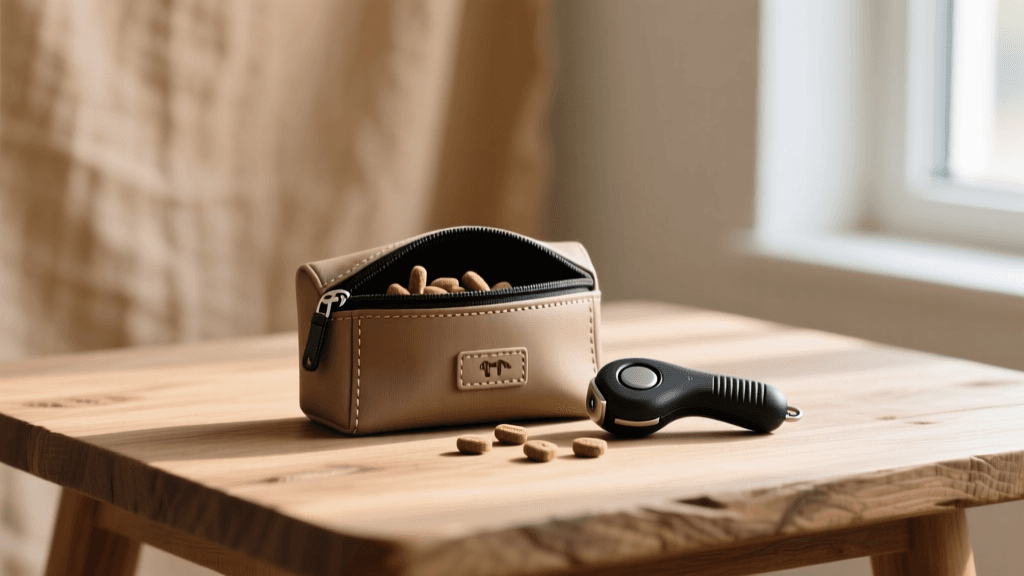
- High-Value Treat Pouch: A dedicated treat pouch (e.g., Ruffwear Treat Trader, $30) worn on your waist keeps your hands free and treats accessible within 1.5 seconds of a trigger appearing.
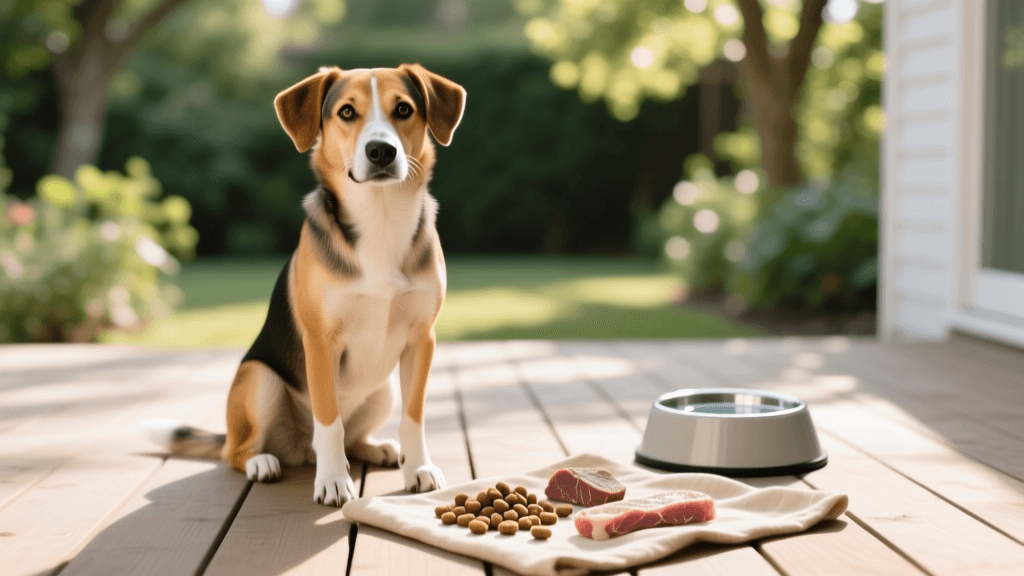
- Freeze-Dried Liver or Boiled Chicken: Kibble will not work for reactivity. You need high-value, aromatic proteins that trigger a strong dopamine response in the brain to counter-condition the fear response.
- Lick Mat for Decompression: Additionally, consider a silicone lick mat ($10-$15) smeared with plain pumpkin or peanut butter for decompression sessions after a stressful encounter. Licking is a naturally soothing behavior that helps regulate the canine nervous system.
Step-by-Step Solution: Desensitization and Counter-Conditioning
Once you have diagnosed the root cause and acquired the proper gear, you can begin the gold standard of behavioral modification: Desensitization and Counter-Conditioning (DS/CC). The Fear Free Pets initiative heavily advocates for DS/CC, as it changes the dog's emotional response to a trigger from negative to positive, rather than just suppressing the outward symptoms of barking.
Step 1: Finding the Threshold
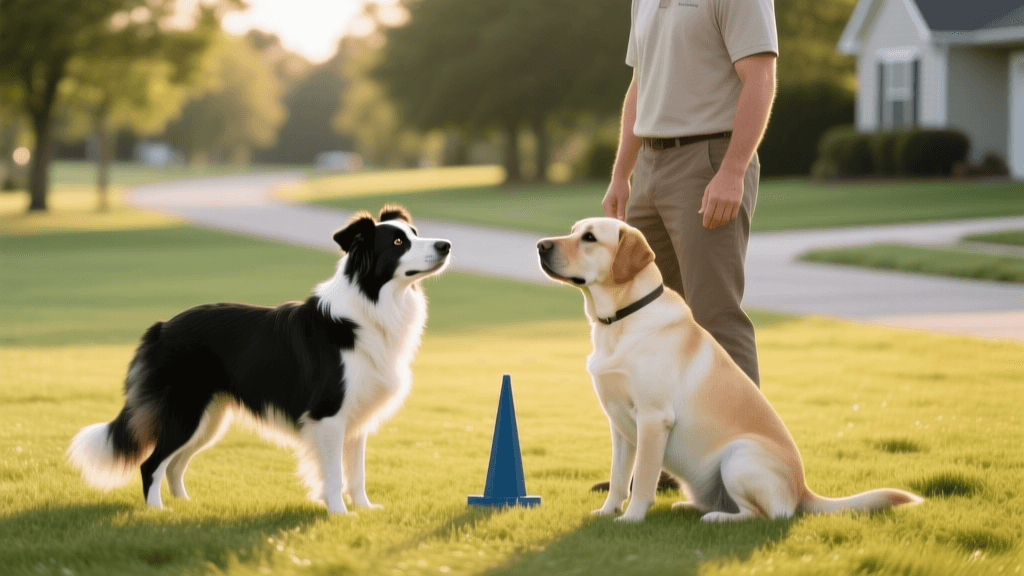
Your dog's threshold is the exact distance at which they notice a trigger but remain under their cognitive learning limit. If your dog is barking, lunging, or refusing treats, they are over threshold, and learning is neurologically impossible. You must find the sub-threshold distance. For some dogs, this is 50 feet; for others, it is 150 feet. Start your training at this safe distance.
Step 2: The Engage-Disengage Game
This game, popularized by canine behaviorists, teaches the dog to voluntarily look away from the trigger and check in with you.
- Engage: The moment your dog looks at the trigger (while under threshold), use a marker word like 'Yes!' or a clicker. Timing is vital: you must mark the behavior within 1 to 2 seconds of them noticing the trigger.
- Disengage: After you mark, wait for your dog to turn their head toward you to get their treat. If they do not turn within 3 seconds, gently lure them away with the treat.
- Reward: Deliver the high-value treat at your side or slightly behind you, encouraging the dog to move away from the trigger line.
Repeat this process. Over time, the dog's automatic response to seeing a trigger will shift from lunging to voluntarily turning to you for a reward.
Trigger Distance and Reward Value Chart
| Trigger Distance | Dog's Body Language | Action Required | Reward Value |
|---|---|---|---|
| Over Threshold (e.g., 10 ft) | Hard staring, lunging, ignoring treats | Emergency U-Turn; increase distance immediately | N/A (Dog cannot eat) |
| Near Threshold (e.g., 30 ft) | Stiff body, closed mouth, hyper-focused | Engage-Disengage game; slow retreat | High (Boiled Chicken) |
| Sub-Threshold (e.g., 80 ft) | Loose body, wagging tail, takes treats softly | Active DS/CC training; basic obedience cues | Medium to High (Cheese, Liver) |
Emergency Management Techniques
Training takes months, but you will inevitably encounter unexpected triggers on your daily walks. When a dog suddenly appears around a blind corner, you must rely on management to prevent a rehearsal of the reactive behavior. Practice the 'Emergency U-Turn' in your living room first. Say a cue like 'Let's Go!', pivot 180 degrees, and jog away happily, rewarding the dog heavily when they catch up. On walks, use visual barriers like parked cars, large trees, or bushes to block your dog's line of sight to an approaching trigger until it passes. Management is not a failure; it is a critical component of a comprehensive behavioral modification plan.
When to Seek Professional Help
If your dog's reactivity includes biting the leash, redirecting bites onto your hands, or if you feel physically unsafe handling them, it is time to consult a certified professional. Look for a Certified Professional Dog Trainer (CPDT-KA) or a Veterinary Behaviorist who utilizes force-free, science-based methods. Punitive measures will only suppress the warning signs while increasing the underlying anxiety, potentially leading to a dog that bites without warning. With patience, precise timing, and accurate diagnosis, you can help your reactive dog navigate the world with confidence and calm.
priya-sutaria
All our authors care for dogs every day — read more of their work on the authors page.