Decompression Sniffari Walks: Bonding With Reactive Dogs in 2026
Discover how decompression Sniffari walks and Biothane long lines can build deep trust and bond with your reactive or anxious dog in 2026.
The Hidden Struggle of Walking a Reactive Dog
For owners of reactive, anxious, or newly adopted rescue dogs, the daily walk is often a source of profound stress rather than a bonding experience. You find yourself scanning the horizon for triggers, gripping a standard six-foot nylon leash with white knuckles, and constantly correcting your dog's lunging or pulling. In this high-stress environment, genuine connection is nearly impossible. Your dog learns that the outside world is a place of tension, and you learn to dread the very activity that is supposed to bring you closer together. However, the canine behavioral community has widely embraced a powerful antidote to this cycle: the decompression walk, affectionately known as the 'Sniffari'.
A Sniffari is not about physical exercise, heel work, or reaching a step count goal. It is a dedicated period of time where your dog is allowed to lead the way, engage their primary sense (smell), and process the environment at their own pace. In 2026, veterinary behaviorists and certified trainers universally recommend Sniffaris as a foundational tool for relationship building, nervous system regulation, and trust-building with dogs who struggle in traditional urban walking environments.
The Science Behind the Sniffari and Canine Bonding
To understand why the Sniffari is so effective for bonding, we must look at canine neurology. A dog's olfactory bulb is proportionally 40 times larger than a human's, and the act of sniffing requires intense mental focus. When a dog engages in deep, sustained sniffing, their heart rate actually decreases. This physiological response is linked to the release of dopamine and endorphins, creating a natural calming effect. According to the American Kennel Club's guide to canine nose work, engaging a dog's scenting abilities not only tires them out mentally but also builds immense confidence in uncertain environments.
When you facilitate this calming experience for your dog, you become the provider of safety and enrichment. You are no longer the 'warden' holding them back from the world; you are their partner in exploration. The ASPCA's recommendations on canine enrichment highlight that allowing dogs to make choices and engage in species-typical behaviors (like foraging and sniffing) drastically reduces chronic stress and strengthens the human-animal bond. By removing the pressure of obedience during a Sniffari, you communicate to your dog that you respect their needs and understand their language.
Essential Gear for 2026 Decompression Walks
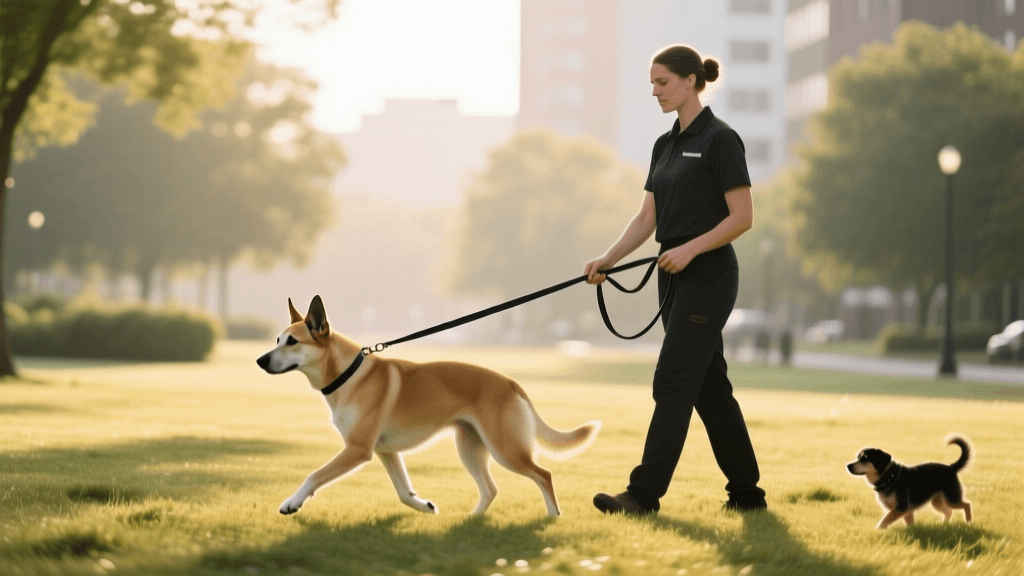
You cannot execute a proper Sniffari with a standard six-foot leash and a neck collar. Decompression requires space, freedom of movement, and safety. The gold standard for this activity is a well-fitted Y-front harness paired with a Biothane long line. Biothane is a coated webbing material that is waterproof, stink-proof, and incredibly durable, making it perfect for dragging through mud, wet grass, and underbrush without becoming heavy or tangled.
Below is a comparison of the top Biothane long lines favored by force-free trainers in 2026:
| Brand & Model | Material | Length | 2026 Price | Best Feature |
|---|---|---|---|---|
| High Tail Hikes Biothane | Beta Biothane | 15 ft | $42.00 | Custom colors & floating O-ring handle |
| DogLeashCo Biothane | Standard Biothane | 20 ft | $35.00 | Budget-friendly & lightweight |
| Mendota Slip-Biothane | Multi-Flex Core | 10 ft | $55.00 | Integrated slip lead design |
| Modern Dog Biothane | Matte Biothane | 30 ft | $68.00 | Extra length for wide open fields |
Pair your long line with a 2026 model Y-front harness, such as the updated Hurtta Trail Adventure Harness or the Perfect Fit V2. These harnesses ensure that if your dog suddenly bolts after a squirrel, the force is distributed across their chest rather than their delicate trachea, preventing pain and preserving trust.
The 5 Golden Rules of the Sniffari
Transitioning from a structured walk to a decompression walk requires a shift in your own mindset. Here are the core rules to follow for a successful bonding experience:
- Rule 1: Location is Everything. Do not attempt a Sniffari on a busy city sidewalk. Seek out quiet parks, empty sports fields, wooded trails, or even a quiet cul-de-sac. The environment must be below your dog's trigger threshold.
- Rule 2: Let the Dog Lead. Imagine the long line as an umbilical cord rather than a steering wheel. Follow your dog. If they want to sniff a single blade of grass for three minutes, stand quietly and let them. This autonomy is where the confidence-building happens.
- Rule 3: Embrace the Silence. Resist the urge to chatter, praise, or give commands. A Sniffari is a meditative practice. Your quiet, calm presence is what anchors your dog. Let them process the olfactory information without your interference.
- Rule 4: Manage the Line Safely. Keep the line loose, but be prepared to step on it if your dog spots a trigger. Never wrap the long line around your hand or wrist, as a sudden lunge could cause severe friction burns or joint injuries.
- Rule 5: Reward Check-Ins. While you aren't demanding obedience, you should heavily reward voluntary engagement. If your dog stops sniffing, turns around, and makes eye contact with you, toss a high-value treat or offer gentle praise. This reinforces that checking in with you is always a positive choice.
Reading Your Dog's Body Language
A crucial component of relationship building is learning to 'listen' to your dog's physical cues. During a Sniffari, you are in a prime position to observe their emotional state. The Fear Free Pets initiative emphasizes that recognizing subtle stress signals allows owners to intervene before a dog becomes overwhelmed.
Look for 'calming signals' such as slow blinking, soft ear postures, and relaxed, sweeping tail wags. These indicate your dog is decompressing successfully. Conversely, be mindful of displacement behaviors. If your dog suddenly starts frantic, shallow sniffing, intense scratching, or repetitive lip licking, they may have caught the scent of a trigger or feel uncertain about a distant noise. In these moments, do not force them forward. Simply create more distance from the perceived threat, scatter a handful of treats in the grass to encourage deep foraging, and allow their nervous system to reset.
Troubleshooting Common Sniffari Challenges
My dog just pulls to the end of the line and stares at the horizon.
This is common for dogs who are used to high-arousal walks or those who have never been given the opportunity to sniff. Start in a smaller, enclosed area with a shorter 10-foot line. Scatter high-value treats (like freeze-dried liver or boiled chicken) in the grass before bringing the dog out to encourage them to put their nose to the ground. Over a few weeks, their brain will rewire to associate the outdoors with foraging rather than just patrolling.
My dog gets tangled in the long line.
Biothane is slippery when wet, which can lead to tangles if dropped. Practice your line handling in your living room first. Learn to 'feed' the line through your hands and gather it in neat loops. If your dog circles a tree, simply walk around the tree in the same direction to unwind the line rather than pulling them backward.
Building the Bond Over Time
Bonding with a dog, especially one with a history of trauma or reactivity, is not achieved through a single perfect walk. It is the accumulation of thousands of micro-moments where you prove yourself to be a safe, predictable, and empathetic partner. The decompression Sniffari removes the friction of traditional obedience training and replaces it with shared mindfulness. As the weeks turn into months, you will notice your dog voluntarily checking in with you more frequently, their baseline anxiety decreasing, and their physical posture relaxing in your presence. By investing in the right gear, choosing the right environments, and respecting your dog's need to simply be a dog, you lay the unbreakable foundation for a lifelong, trust-based relationship.
jonas-cole
All our authors care for dogs every day — read more of their work on the authors page.