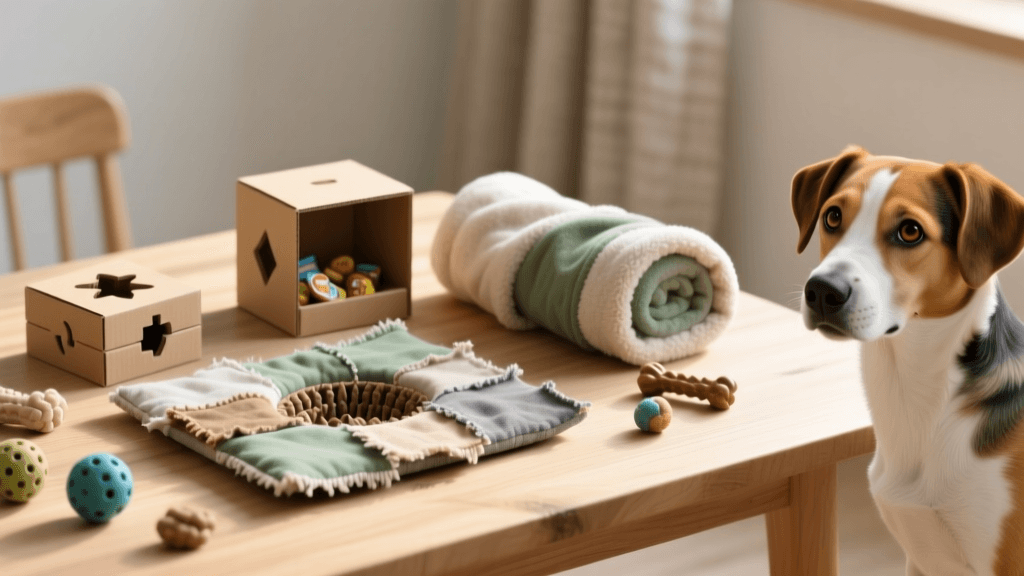
Budget-Friendly DIY Dog Enrichment Games for Mental Stimulation
Discover budget-friendly DIY dog enrichment games to keep your pup mentally stimulated. Save money while boosting your dog's daily routine with easy hacks.
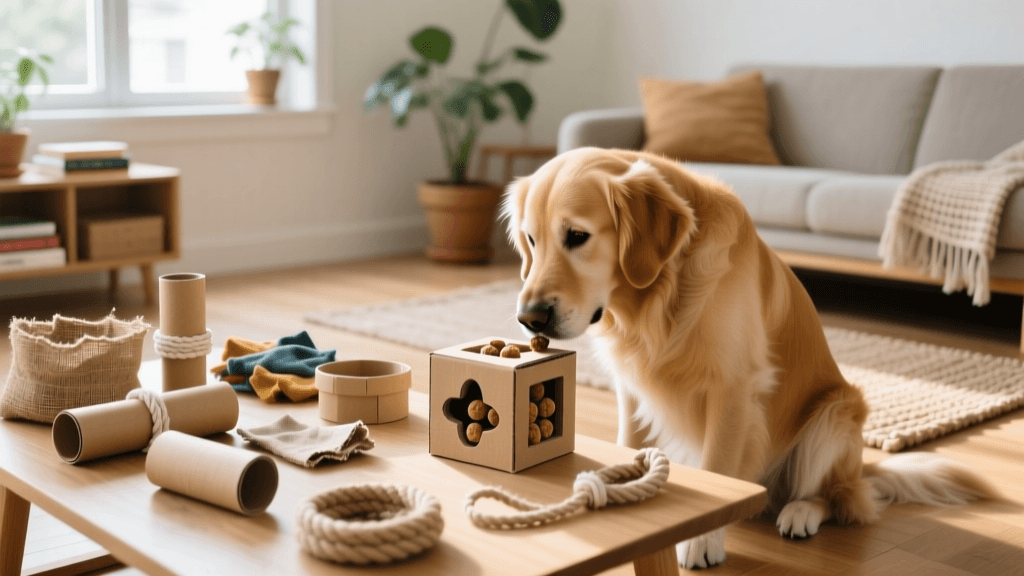
The Rising Cost of Canine Enrichment
Owning a dog is one of life's most rewarding experiences, but it undeniably comes with significant financial responsibilities. From premium kibble and routine veterinary care to grooming and pet insurance, the annual cost of dog ownership can easily exceed a thousand dollars. When it comes to keeping our canine companions entertained, the pet industry has heavily capitalized on the need for mental stimulation, offering a vast array of commercial puzzle toys, interactive feeders, and snuffle mats. While these products are undoubtedly effective, their price tags—often ranging from twenty to fifty dollars per item—can quickly strain a tight household budget.
Fortunately, providing top-tier mental enrichment for your dog does not require a massive financial investment. By leveraging common household items and a bit of creativity, you can build a robust, budget-friendly enrichment routine that rivals any expensive commercial toy. In this guide, we will explore highly effective, low-cost DIY dog enrichment games that fit seamlessly into your daily routine, keeping your pup's brain sharp and your wallet full.
Why Mental Stimulation is Non-Negotiable
Before diving into DIY solutions, it is crucial to understand why mental stimulation is a non-negotiable aspect of daily dog care. According to the American Society for the Prevention of Cruelty to Animals (ASPCA), dogs require both physical exercise and mental stimulation to maintain optimal behavioral health. A common misconception among pet owners is that a long physical walk is enough to tire out a dog. However, canine behaviorists note that fifteen minutes of intense sniffing and problem-solving can expend as much energy as an hour of walking.
Engaging a dog's natural foraging instincts reduces anxiety, prevents destructive behaviors born from boredom, and strengthens the bond between pet and owner. When dogs are under-stimulated, they often create their own "fun," which usually manifests as chewing furniture, excessive barking, or digging up the garden. Budget-friendly enrichment is the ultimate preventative medicine for these costly behavioral issues.
Top 5 Budget-Friendly DIY Enrichment Games
1. The Towel Roll-Up Snuffle
Commercial snuffle mats are fantastic for encouraging natural sniffing behaviors, but they can cost upwards of thirty dollars. The towel roll-up is a brilliant, free alternative that utilizes items you already own.
- Materials Needed: One clean, old bath towel and your dog's daily kibble ration.
- Estimated Cost: $0.00
- How to Make It: Lay the towel flat on the floor. Evenly sprinkle a portion of your dog's kibble or small training treats across the surface. Tightly roll the towel up from one end to the other. For an added challenge, tie the rolled towel into a loose knot.
- The Experience: Your dog must use their nose and paws to unroll and untie the towel to access the hidden food. This mimics the foraging process and can keep a dog occupied for ten to fifteen minutes.
2. The Muffin Tin Shell Game
This game taps into your dog's cognitive abilities, requiring them to remember where treats are hidden and figure out how to remove obstacles.
- Materials Needed: A standard metal or silicone muffin tin, a handful of smelly treats, and several tennis balls or crumpled pieces of paper.
- Estimated Cost: $0.00
- How to Make It: Place a high-value treat into three or four of the muffin cups. Cover every cup—both the ones with treats and the empty ones—with a tennis ball or a crumpled ball of paper.
- The Experience: Encourage your dog to find the treats. They will quickly learn that they must remove the balls and use their nose to identify which cups hold the reward. As they get better, increase the number of empty cups to increase the difficulty.
3. Frozen Broth and Berry Blocks
Perfect for warm weather or heavy chewers, frozen enrichment provides a long-lasting, soothing activity that costs pennies to make.
- Materials Needed: A silicone ice cube tray, low-sodium dog-safe chicken or beef broth, and dog-safe fruits like blueberries or sliced bananas.
- Estimated Cost: ~$2.50 per batch
- How to Make It: Place a few blueberries or banana slices into each compartment of the ice cube tray. Fill the rest of the space with low-sodium broth (ensure it contains no onions or garlic). Freeze overnight.
- The Experience: Pop out a few cubes and serve them in a bowl or on a lick mat. The dog must lick and chew through the ice to reach the fruit, providing excellent mental engagement and hydration.
4. The DIY PVC Puzzle Feeder
Interactive rolling feeders are excellent for fast eaters and high-energy dogs. Building your own from hardware store materials is incredibly cheap and durable.
- Materials Needed: A 1-foot length of PVC pipe (1.5 to 2 inches in diameter), two PVC end caps, a drill, and dry kibble.
- Estimated Cost: ~$6.00
- How to Make It: Drill several holes into the PVC pipe. The holes should be slightly larger than your dog's kibble so the food can fall out when manipulated, but not so large that it pours out all at once. Sand down any rough plastic edges around the holes to protect your dog's mouth. Secure the end caps tightly (you can use a pet-safe, non-toxic glue if your dog is a heavy chewer).
- The Experience: Fill the pipe with kibble and let your dog push it around the floor with their nose and paws to dispense their meal.
5. Cardboard Box Foraging Zone
Dogs love to shred, and allowing them to do so in a controlled environment satisfies a deep-seated instinct. This is also a great way to recycle your online shopping boxes.
- Materials Needed: A shallow cardboard box, shredded non-toxic paper (avoid glossy magazines), empty toilet paper rolls, and treats.
- Estimated Cost: $0.00
- How to Make It: Place a layer of shredded paper at the bottom of the box. Sprinkle some treats. Add empty toilet paper rolls (you can fold the ends of the rolls inward to hide treats inside them). Cover everything with another layer of shredded paper.
- The Experience: Let your dog dig, sniff, and shred through the cardboard and paper to find the hidden treasures. Always supervise this activity to ensure they do not ingest large pieces of cardboard.
Pro Tip: Always account for the calories in your dog's enrichment treats. Deduct these from their daily meal allowance to prevent unwanted weight gain, which can lead to costly joint and metabolic issues down the line.
Cost Comparison: Commercial Toys vs. DIY Enrichment
To truly understand the financial impact of switching to DIY enrichment, consider the following cost comparison chart based on average retail prices versus homemade alternatives.
| Enrichment Type | Commercial Cost | DIY Alternative | DIY Cost | Estimated Savings |
|---|---|---|---|---|
| Snuffle Mat | $25.00 - $45.00 | Towel Roll-Up | $0.00 | $25.00+ |
| Puzzle Feeder | $15.00 - $30.00 | Muffin Tin Game | $0.00 | $15.00+ |
| Cooling Chew Toy | $12.00 - $20.00 | Frozen Broth Blocks | $2.50 | $9.50+ |
| Rolling Dispenser | $18.00 - $35.00 | PVC Pipe Feeder | $6.00 | $12.00+ |
| Destruction Box | $20.00 (Subscription) | Cardboard Foraging | $0.00 | $20.00+ |
By rotating these DIY games throughout the week, a pet owner can easily save over eighty dollars a year, money that is better spent on high-quality nutrition or an emergency veterinary fund.
Safety First: Supervising DIY Toys
While budget-friendly DIY toys are excellent, they require a different level of oversight than indestructible commercial rubber toys. The American Veterinary Medical Association (AVMA) emphasizes the importance of monitoring pets with new toys to prevent accidental ingestion and gastrointestinal blockages. Veterinary visits for intestinal blockage surgery can cost anywhere from two to five thousand dollars, entirely wiping out any money saved on toys.
When using the cardboard foraging box or the towel roll-up, always stay in the room. If your dog tends to swallow fabric or large chunks of cardboard, these specific games may not be suitable for them. Always inspect PVC pipes for cracks or sharp plastic shards after heavy chewing sessions, and replace the pipe immediately if it begins to break down. Safety must always remain the top priority in any budget-friendly dog care strategy.
Building a Daily Enrichment Routine
Mental stimulation is most effective when integrated into a predictable daily routine. The Humane Society of the United States notes that dogs thrive on routine and predictability, which helps lower their baseline stress levels. Here is how you can seamlessly incorporate these budget-friendly games into your dog's day without disrupting your own schedule:
- Morning (Breakfast Time): Ditch the food bowl. Use the DIY PVC Puzzle Feeder or the Towel Roll-Up Snuffle to serve your dog's morning kibble. This turns a two-minute meal into a fifteen-minute brain workout, burning off morning energy while you get ready for work.
- Afternoon (Mid-Day Break): If you are home, or if you have a pet camera, offer a Frozen Broth Block. This provides a soothing, independent activity that keeps them cool and occupied during the hottest part of the day.
- Evening (Wind Down): After the evening walk, use the Muffin Tin Shell Game with a few high-value treats. This low-impact, mentally taxing game helps transition your dog from the high arousal of the outdoors to a calm, relaxed state for the night.
By embracing these budget-friendly DIY dog enrichment games, you are not just saving money; you are actively participating in your dog's cognitive health. True enrichment does not come from a price tag, but from the thoughtful engagement between you and your canine companion.
priya-sutaria
All our authors care for dogs every day — read more of their work on the authors page.