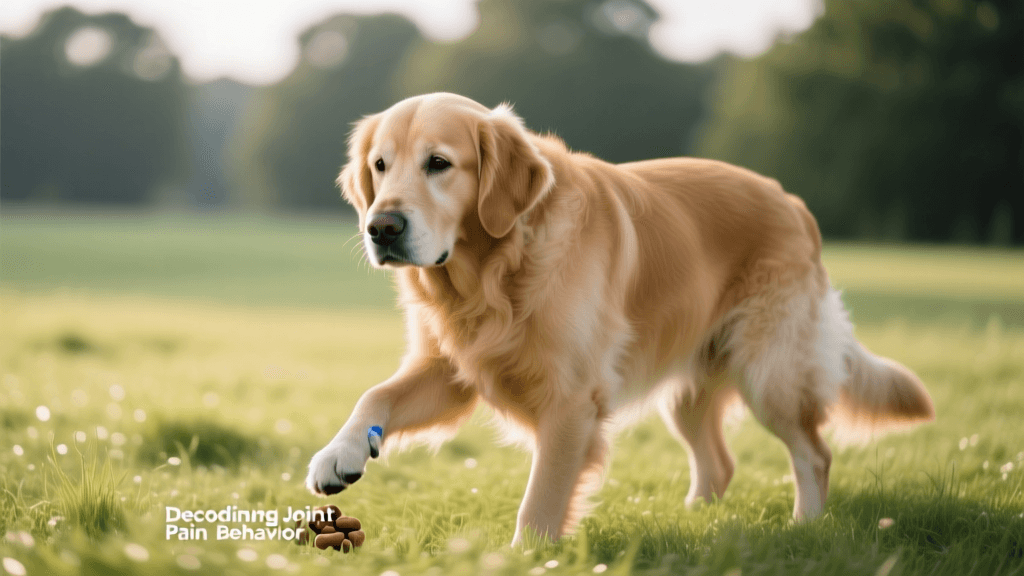
Decoding Joint Pain Behavior In Dogs: Top Supplements 2026
Discover how hidden joint pain alters your dog's behavior. Learn to read the signs and explore the best joint supplements for dogs in 2026.
The Evolutionary Psychology of Canine Pain Masking
To truly understand your dog, you must first understand their evolutionary imperative to hide weakness. In the wild, a limping or vocalizing canine is a target for predators and a liability to the pack. Consequently, modern domestic dogs possess a deeply ingrained psychological mechanism to mask orthopedic discomfort until it becomes debilitating. As we navigate the veterinary and behavioral landscape in 2026, experts emphasize that sudden behavioral shifts—often mislabeled as stubbornness, aging, or unprovoked aggression—are frequently the primary indicators of underlying joint degeneration. When a dog's personality changes, their joints are often the silent culprits.
According to the WSAVA Global Pain Council, chronic pain fundamentally alters a dog's neurochemistry, leading to central sensitization. This means the nervous system becomes stuck in a state of high reactivity. A dog that was once tolerant of being hugged by a child may suddenly snap, not out of malice, but because the physical pressure on their hips or shoulders triggers an overwhelming neurological pain response. Understanding this brain-body connection is the first step in selecting the right joint supplements for dogs to restore their true, pain-free personality.
Behavioral Red Flags: Disobedience vs. Degeneration
Before reaching for a training manual to correct 'bad behavior,' canine behaviorists in 2026 urge owners to conduct a physical assessment. The American Kennel Club notes that osteoarthritis affects a vast majority of senior dogs, but the behavioral symptoms often precede the physical limp. Watch for these psychological and behavioral red flags that indicate your dog may be suffering from hidden joint pain:
- Handling Aggression: Growling or snapping when brushed, petted, or having their paws wiped. This is a defensive behavior rooted in the anticipation of pain.
- Reluctance to Comply with Known Cues: A dog that suddenly 'refuses' to sit, lie down, or jump into the car is not being defiant; they are avoiding the biomechanical strain on their stifles (knees) and hips.
- Leash Reactivity: Dogs with spinal or hip discomfort often feel trapped when on a leash. Their 'fight or flight' response is compromised by their inability to move away quickly, resulting in lunging or barking at passing dogs.
- Nocturnal Pacing and Panting: Inability to settle at night, constant repositioning, or unexplained panting are classic signs of chronic inflammation spiking cortisol levels.
- Loss of Play Drive: A sudden disinterest in fetch or tug-of-war is often misinterpreted as 'slowing down due to age,' when it is actually a learned avoidance of high-impact joint stress.
The Neurological Link: Inflammation, Anxiety, and Aggression
The field of veterinary psychoneuroimmunology has expanded significantly by 2026, revealing a direct pathway between joint inflammation and canine anxiety. When a dog's joints degrade, the body releases pro-inflammatory cytokines. These chemical messengers do not stay localized in the knee or hip; they cross the blood-brain barrier and interact with neurotransmitters like serotonin and dopamine.
This systemic inflammation creates a state of chronic irritability. A dog in constant, low-grade pain has a depleted 'behavioral battery.' They have no psychological bandwidth to cope with normal environmental stressors, such as the doorbell ringing or a stranger approaching. By introducing high-quality joint supplements for dogs, we are not merely lubricating cartilage; we are actively reducing neuro-inflammation, thereby lowering anxiety and restoring the dog's natural, stable temperament.
2026 Joint Supplement Breakdown for Behavioral Restoration
Choosing the right supplement requires looking beyond basic glucosamine. The most effective 2026 formulations target both cartilage repair and the inflammatory pathways that cause pain-induced behavioral changes. Below is a comparison of top-tier joint supplements currently recommended by veterinary behaviorists and orthopedic specialists.
| Supplement Brand (2026 Formulations) | Key Active Ingredients | Primary Behavioral Benefit | Average Monthly Cost |
|---|---|---|---|
| Dasuquin Advanced | ASU, Glucosamine, Chondroitin, Epiitalis | Reduces handling aggression by lowering severe joint inflammation | $65 - $80 |
| Nutramax Cosequin Joint Health | TRH122 Glucosamine, FCHG49 Chondroitin | Restores willingness to engage in play and fetch routines | $40 - $55 |
| Zesty Paws Mobility Bites | OptiMSM, Glucosamine, Turmeric, Hemp Seed | Eases general anxiety and stiffness-related pacing at night | $30 - $45 |
| VetriScience GlycoFlex Stage III | Perna Canaliculus (Green Lipped Mussel), DMG | Improves mood and reduces irritability during mobility transitions | $50 - $65 |
Products containing ASU (Avocado/Soybean Unsaponifiables) and Epiitalis (a proprietary plant oil extract) are particularly noteworthy in 2026 for their ability to inhibit the specific enzymes that break down cartilage while simultaneously modulating the body's pain response. This dual-action approach is critical for dogs whose primary symptom of joint disease is behavioral reactivity rather than overt limping.
Breed-Specific Behavioral Manifestations of Joint Pain
Understanding your dog also means understanding their breed-specific predispositions and how pain manifests within their unique psychological framework.
Herding Breeds (Border Collies, German Shepherds)
These dogs are psychologically driven to control movement. When hip dysplasia or arthritis limits their physical speed, they may develop intense frustration-based reactivity. They want to herd but physically cannot, leading to obsessive barking or nipping. Joint supplements that restore mobility can literally save a herding dog from developing severe obsessive-compulsive behaviors.
Companion and Lap Breeds (Cavalier King Charles Spaniels, Pugs)
Bred for close physical contact, these dogs often develop separation anxiety or clinginess when in pain. They may follow their owners relentlessly, not out of pure devotion, but because they feel vulnerable and need their 'pack leader' for protection when their mobility is compromised. Supporting their joints helps restore their confidence to rest independently.
Implementing a Joint Health and Behavioral Enrichment Protocol
The AAHA Pain Management Guidelines stress that supplements should be part of a multimodal approach. To fully rehabilitate your dog's behavior alongside their joints, follow this 2026 protocol:
- Initiate a Loading Dose: Most joint supplements require a 4-to-6-week loading phase to build up therapeutic levels in the synovial fluid. Do not expect behavioral changes overnight; the neuro-inflammation takes time to subside.
- Modify Environmental Stressors: While the supplements take effect, provide orthopedic memory foam beds and use ramps for vehicle access. Removing the daily 'micro-traumas' of jumping prevents the reinforcement of pain-avoidance behaviors.
- Reintroduce Low-Impact Enrichment: Replace high-impact fetch with scent-work and snuffle mats. This allows your dog to engage their powerful olfactory senses and burn mental energy without placing torque on deteriorating joints.
- Track Behavioral Metrics: Keep a journal not just of their physical movement, but of their mood. Note instances of tail wagging, relaxed ear posture, and willingness to be groomed. These are the true metrics of successful joint therapy.
By shifting our perspective from 'correcting bad behavior' to 'treating hidden pain,' we deepen our bond with our dogs. The best joint supplements for dogs in 2026 do more than protect cartilage; they give our companions the physical comfort required to express their true, joyful personalities once again.
priya-sutaria
All our authors care for dogs every day — read more of their work on the authors page.