Understanding Canine Travel Anxiety: Decoding Stress Signals
Learn to read your dog's subtle stress signals during travel. Discover actionable tips, calming gear, and body language cues for anxiety-free adventures.

The Psychology of Canine Travel Anxiety
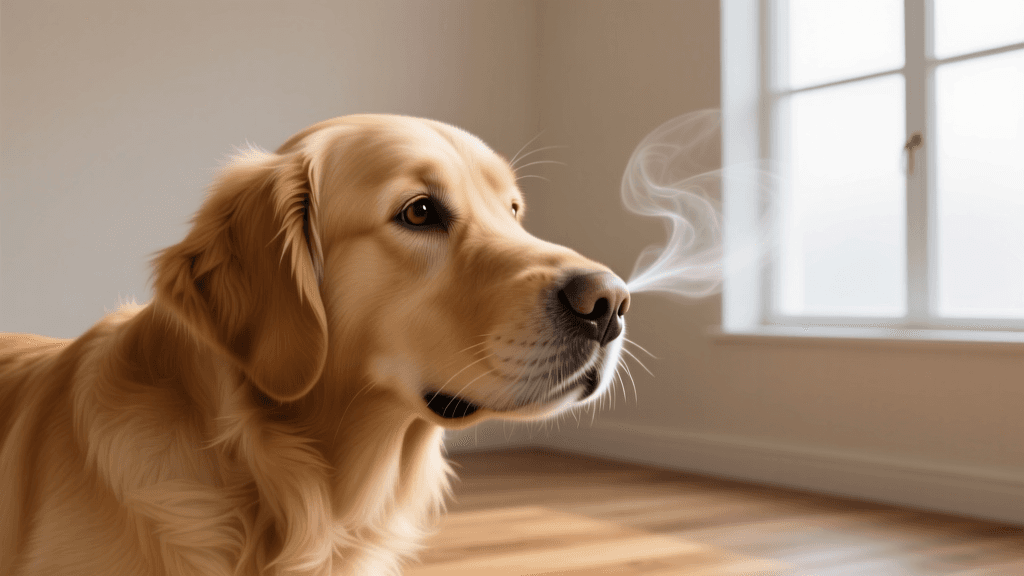
Traveling with your dog can be one of the most rewarding aspects of pet ownership, but for many canines, the experience is fraught with psychological and physiological stress. To truly understand your dog's travel anxiety, we must first look at how they process the world. Dogs possess up to 300 million olfactory receptors, compared to our mere 6 million. When confined to a moving vehicle, they are abruptly cut off from their primary method of environmental mapping. This sensory deprivation, combined with the unnatural vestibular stimulation of a moving car or airplane, triggers a cascade of cortisol and adrenaline.
Furthermore, dogs are den animals that rely on territorial familiarity for security. A car or aircraft cabin represents an unpredictable, shifting environment. According to the ASPCA's guidelines on pet travel, recognizing that this anxiety is rooted in instinctual survival mechanisms—not stubbornness or misbehavior—is the first step toward effective intervention. By shifting our perspective from frustration to empathy, we can begin to decode the subtle ways our dogs communicate their distress.
Decoding the Subtle Signs of Travel Stress
Canine body language is nuanced, and stress signals often appear long before a dog resorts to vocalization or destructive behavior. Norwegian dog trainer Turid Rugaas coined the term calming signals to describe the subtle ways dogs self-soothe and communicate discomfort. In a travel context, missing these early warnings can lead to a full-blown panic attack. Below is a structured escalation chart to help you read your dog's body language during transit.
| Stress Level | Physical & Behavioral Signals | Immediate Action Required |
|---|---|---|
| Green (Mild) | Lip licking, yawning out of context, shaking off (as if wet), avoiding eye contact, panting with a closed mouth. | Speak in a calm, low tone. Offer a high-value chew (e.g., bully stick) to encourage licking, which releases endorphins. |
| Yellow (Moderate) | Whining, pacing (if unrestrained), excessive drooling, pinned-back ears, whale eye (showing the whites of the eyes), trembling. | Pull over safely at the next rest stop. Allow the dog to exit the vehicle, sniff the ground, and decompress for 10-15 minutes. |
| Red (Severe) | Frantic scratching at doors/windows, vomiting, diarrhea, rigid body posture, snapping, or complete shutdown (catatonia). | End the travel session immediately if possible. Consult a veterinary behaviorist for a desensitization protocol and potential anti-anxiety medication. |
Car Travel: Managing Confinement and Motion Sickness
The American Kennel Club (AKC) notes that motion sickness in dogs is often intertwined with anxiety. The vestibular system in a dog's inner ear, which controls balance, can become overwhelmed by the conflicting signals of seeing a stationary car interior while feeling forward momentum. To mitigate this, you must manage both the physical environment and the psychological associations.
Restraint and Safety Gear
Never allow your dog to roam freely in the car or stick their head out the window, which risks ocular injuries from debris. Instead, invest in a crash-tested restraint system. The Kurgo Tru-Fit Smart Dog Harness (approx. $35) is an excellent choice. It features a steel nesting buckle system and a padded chest plate that distributes kinetic energy during sudden stops. Pair this with a seatbelt tether that allows just enough slack for the dog to sit or lie down, but not enough to jump into the front seat.
Environmental Controls
- Temperature: Maintain the cabin temperature between 68°F and 72°F. Dogs cannot sweat through their skin and rely on panting to cool down; a warm car exacerbates stress-induced panting.
- Visual Barriers: If your dog exhibits Yellow Zone stress when watching passing cars, use a breathable mesh window shade to block visual stimuli while maintaining airflow.
- The 2-Hour Rule: Stop every 2 hours for a 15-minute decompression break. Allow your dog to engage in sniffari walks. Sniffing lowers a dog's heart rate and engages their parasympathetic nervous system.
Air Travel: Navigating the Cabin vs. Cargo Dilemma
Flying introduces a new layer of complexity, primarily regarding cabin pressure, noise levels (often exceeding 100 decibels on the tarmac), and strict confinement. The American Veterinary Medical Association (AVMA) strongly advises against transporting pets in the cargo hold unless absolutely necessary, due to the risks of temperature extremes and rough handling. Whenever possible, keep your dog in the cabin.
Cabin Acclimation Protocol
If your dog is under the airline's weight limit (typically 20 lbs combined with the carrier), you will need an airline-approved soft-sided carrier. The Sherpa Original Deluxe Carrier (approx. $50-$70) is widely accepted by major airlines due to its flexible wire frame that compresses to fit under varying seat heights.
Acclimation must begin at least 8 weeks prior to your flight:
- Weeks 1-2: Leave the carrier open in your living room. Feed all meals inside it to build positive classical conditioning.
- Weeks 3-4: Zip the carrier shut for 1-minute intervals while you sit nearby, gradually increasing to 30 minutes.
- Weeks 5-6: Carry your dog around the house and neighborhood in the carrier to simulate the motion and muffled sounds of an airport.
- Weeks 7-8: Visit a busy outdoor cafe or a pet-friendly store to practice settling in the carrier amidst background noise.
Your Actionable Travel Toolkit
While behavioral modification is the gold standard, biological support can bridge the gap during high-stress travel days. Below is a comparison of three scientifically backed or widely recommended calming aids to include in your travel kit.
| Product Name | Mechanism of Action | Cost & Application | Best Use Case |
|---|---|---|---|
| Adaptil Transport Spray | Synthetic Dog Appeasing Pheromone (DAP) that mimics the nursing pheromones of a mother dog, signaling safety. | ~$15. Spray 8-10 pumps on the carrier bedding or car seat cover 15 minutes before loading the dog. Never spray directly on the dog. | Mild to moderate anxiety; excellent for airline cabin travel and vet visits. |
| ThunderShirt Classic | Provides gentle, constant pressure (similar to swaddling an infant), which stimulates the release of oxytocin and reduces heart rate. | ~$45. Put on the dog 30 minutes before travel. Ensure a snug but comfortable fit (two fingers should slide underneath). | Dogs that respond well to deep pressure therapy; highly effective for thunderstorm and car-related trembling. |
| Zesty Paws Calming Bites | Contains L-Theanine, Chamomile, and Hemp Seed to promote serotonin production and mild sedation without cognitive dulling. | ~$28 for 90 chews. Administer the weight-appropriate dose 45 minutes before departure. | Long road trips where the dog needs to remain relaxed but alert enough to walk and hydrate during breaks. |
Conclusion: Patience and Progress
Understanding your dog's travel anxiety requires a commitment to observing their unique body language and respecting their physiological limits. By utilizing crash-tested safety gear like the Kurgo harness, implementing a rigorous 8-week carrier acclimation protocol, and leveraging calming aids like Adaptil, you can transform a terrifying ordeal into a manageable adventure. Remember, the goal of dog-friendly travel is not merely to transport your pet from point A to point B, but to ensure they arrive feeling as secure and happy as when they departed. Listen to their signals, advocate for their needs, and the open road will become a place of mutual joy.
robin-maitland
All our authors care for dogs every day — read more of their work on the authors page.