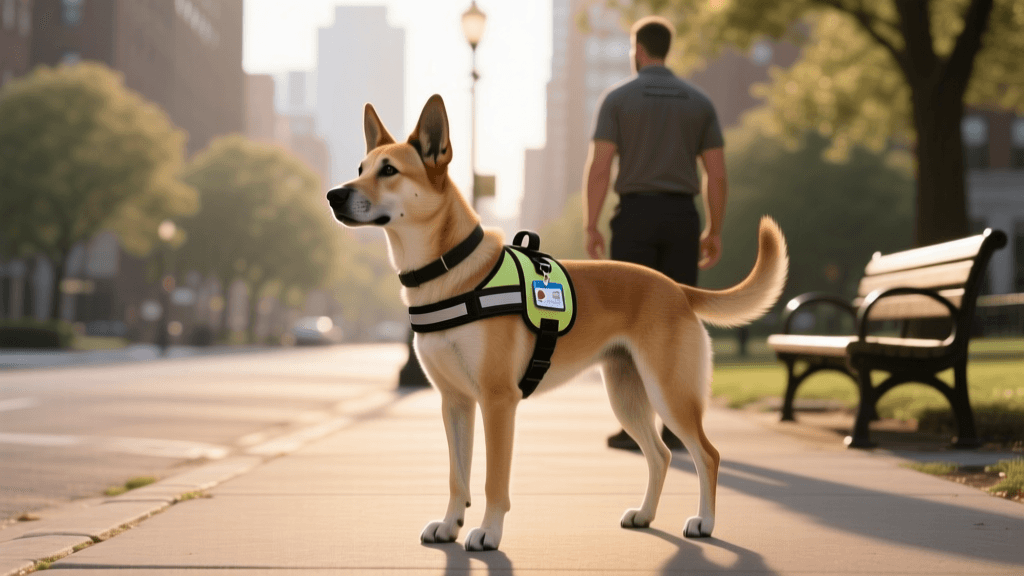
Diabetic Alert Dog Body Language: 2026 Signal Guide
Learn to decode diabetic alert dog body language and medical signals in 2026. Discover how DADs communicate blood sugar changes and public etiquette rules.
The Psychology and Purpose of Diabetic Alert Dogs
Diabetic Alert Dogs (DADs) represent one of the most remarkable intersections of canine olfactory science and behavioral psychology in the modern era. Unlike mobility assistance dogs that perform physical tasks, DADs are tasked with a continuous, invisible cognitive load: monitoring their handler's blood glucose levels through scent. As we navigate the evolving landscape of service dog partnerships in 2026, understanding the specific body language and communication signals of a working DAD is critical for both the handler and the general public.
When a DAD is working, they are not merely 'well-behaved pets'; they are highly trained medical devices that process complex biological data in real-time. Recognizing the subtle shifts in their posture, eye contact, and physical alerts can mean the difference between a handler safely managing a hypoglycemic episode or facing a medical emergency. This guide explores the intricate body language of Diabetic Alert Dogs, how they communicate physiological changes, and the 2026 best practices for maintaining their mental well-being in public spaces.
The Olfactory Science: How DADs Detect Blood Sugar Shifts
To understand a DAD's body language, one must first understand what they are experiencing. When a human's blood sugar drops (hypoglycemia) or spikes (hyperglycemia), the body undergoes chemical changes that alter the composition of exhaled breath and sweat. Specifically, a rapid drop in blood sugar causes the body to release isoprene, a volatile organic compound (VOC).
While humans cannot detect isoprene, a dog's olfactory cortex is highly sensitive to it. In 2026, modern training protocols utilize advanced cryogenic scent-sampling kits to capture exact isoprene profiles during a handler's actual hypoglycemic events, ensuring the dog is imprinted on their specific biological signature rather than a generalized synthetic scent. When the dog catches this scent, their brain triggers an immediate behavioral response—the 'alert'—which manifests through distinct physical signals.
Active vs. Passive Alerts: Reading the Physical Signals
DADs are trained to perform either 'active' or 'passive' alerts, depending on the handler's lifestyle, physical capabilities, and specific medical needs. Understanding which alert style your dog has been trained for is the first step in decoding their working body language.
| Alert Type | Physical Behavior | Meaning | Required Handler Action |
|---|---|---|---|
| Active (Pawing) | Repeatedly pawing at the handler's leg, arm, or chest. | Blood sugar is rapidly shifting out of the safe range. | Test blood sugar immediately and treat. |
| Active (Fetching) | Retrieving the designated testing kit or juice box and dropping it at the handler's feet. | Severe shift detected; dog is prompting immediate intervention. | Acknowledge the fetch, test, and consume fast-acting carbs. |
| Passive (Staring/Sitting) | Breaking heel position to sit directly in front of the handler, maintaining unbroken eye contact. | Early detection of a slow glucose drift. | Reward the dog, check continuous glucose monitor (CGM). |
| Passive (Chin Rest) | Resting chin heavily on the handler's knee or lap while in a seated position. | Subtle alert, often used in quiet environments like meetings or theaters. | Discreetly test blood sugar without disrupting the environment. |
According to the Assistance Dogs International (ADI), a dog's alert behavior must be distinct and unambiguous. If your DAD begins exhibiting 'frantic' body language—such as whining combined with rapid pacing or excessive nudging—this often indicates that the dog is sensing a severe and dangerous drop in blood sugar that requires immediate emergency action.
Recognizing Compassion Fatigue and Stress Signals
Working in public environments requires immense focus. A DAD must filter out the smells of food, other animals, and exhaust fumes to isolate the faint scent of isoprene. This cognitive load can lead to 'compassion fatigue' or environmental stress. As a handler or an observer, recognizing the subtle body language of a stressed working dog is vital for their welfare.
Subtle Signs of Cognitive Overload
- Whale Eye: The dog turns its head away but keeps its eyes fixed on a stressor, showing the whites of its eyes.
- Excessive Yawning or Lip Licking: When not related to food or tiredness, these are classic canine calming signals indicating anxiety or overstimulation.
- Pinned Ears and Tight Mouth: A working dog should have a relaxed, neutral expression. Ears pulled tightly back and a closed, tense jaw indicate the dog is overwhelmed.
- Breaking the 'Invisible Leash': If a DAD suddenly begins pulling on the harness or attempting to hide behind the handler's legs, they are seeking an escape from sensory overload.
2026 Best Practice: Modern veterinary behavioral guidelines mandate that medical alert dogs be given 'scent breaks.' If you notice these stress signals, immediately guide your dog to a quiet, low-stimulation area, remove their working vest, and allow them to decompress for 15 to 20 minutes.
Public Etiquette and the 'Invisible Leash' Concept
The general public often misunderstands the body language of a working service dog. When a DAD is wearing their vest or harness, they are 'on duty.' The public must understand that interacting with the dog can literally be a matter of life and death. If a stranger calls to the dog, makes eye contact, or reaches out to pet them, the dog may break their scent-monitoring focus to respond to the social cue.
Under the Americans with Disabilities Act (ADA), service dogs must be under the handler's control at all times. However, the ADA also protects the dog from interference. Handlers in 2026 are increasingly utilizing 'Do Not Pet' patches on their dog's gear and carrying standardized alert cards that politely explain the dog's medical task to curious bystanders.
If you see a DAD performing an active alert (like pawing at their handler), do not intervene unless the handler collapses or explicitly asks for help. The dog is doing its job, and distracting them with praise or touch can disrupt the critical communication loop between the dog and the handler.
The 'Off-Duty' Transition: Vest Off, Play On
One of the most fascinating aspects of DAD psychology is their ability to transition between 'working mode' and 'pet mode.' Understanding this transition is key to maintaining the dog's long-term mental health. When the working vest or harness is removed, the dog's body language should shift dramatically.
A healthy 'off-duty' DAD will exhibit loose, wiggly body language. They will engage in play bows, seek out physical affection, and interact with toys. If a dog remains rigid, hyper-vigilant, or continues to monitor the handler's breath even when the vest is off, they have not been properly trained to 'switch off.' This inability to decompress is a fast track to burnout. Handlers must establish a clear environmental cue—such as removing the gear and offering a specific 'play toy'—that signals to the dog that the medical watch is temporarily paused.
Scent Calibration and Reward Mechanics
To keep a DAD's alert behaviors sharp, handlers must engage in regular 'scent calibration' sessions. This involves presenting the dog with a sample of the handler's low-blood-sugar scent (collected via specialized swabs) in a controlled environment.
When the dog correctly identifies the scent and performs their trained alert, the reward must be immediate and of exceptionally high value. In 2026, top-tier service dog organizations recommend moving away from standard kibble rewards for medical alerts. Instead, handlers should use high-value rewards such as freeze-dried beef liver, or a dedicated 'alert-only' tug toy that the dog only receives after a successful medical detection. This reinforces the psychological importance of the task and keeps the dog's motivation high.
For those looking to deepen their understanding of task-training mechanics and behavioral reinforcement, the American Kennel Club's guide to service dog training offers excellent foundational insights into positive reinforcement strategies that build confident, reliable working dogs.
Conclusion
Decoding the body language of a Diabetic Alert Dog is about more than just recognizing a paw tap or a stare; it is about understanding the immense cognitive and olfactory effort the dog exerts every single day. By respecting their working signals, recognizing the subtle signs of stress, and enforcing strict public etiquette, we ensure that these remarkable canines can continue to perform their life-saving tasks effectively. The bond between a DAD and their handler is built on a foundation of silent, continuous communication—a partnership that saves lives one breath at a time.
marcus-aldridge
All our authors care for dogs every day — read more of their work on the authors page.