Understanding Canine OA Pain Signals and 2026 Treatments
Learn how to decode subtle behavioral signs of canine osteoarthritis and explore 2026's top multimodal treatments, including Librela and environmental care.
The Hidden Psychology of Canine Osteoarthritis
Osteoarthritis (OA) is often viewed strictly through a physical lens—a degenerative joint disease characterized by cartilage breakdown and inflammation. However, as our understanding of canine cognition and behavioral science deepens in 2026, veterinary behaviorists increasingly recognize OA as a profound psychological stressor. Dogs are inherently stoic animals; in the wild, displaying overt signs of pain makes an individual vulnerable to predators or lowers their status within a pack. Consequently, chronic joint pain rarely manifests as whimpering or crying unless the pain is acute and sudden.
Instead, canine OA reveals itself through subtle, often misunderstood behavioral shifts. A dog experiencing chronic joint pain undergoes a fundamental rewiring of their daily expectations. Anticipatory anxiety develops around activities that were once joyful, such as jumping into the car, climbing stairs, or greeting family members at the door. According to the WSAVA Global Pain Council, untreated chronic pain in dogs frequently leads to secondary behavioral issues, including irritability, house-soiling, and a decreased threshold for environmental stressors. Understanding these silent signals is the first and most critical step in implementing effective, modern treatment protocols.
Decoding the Subtle Body Language of Canine OA
To effectively treat canine OA, owners must first become fluent in the micro-expressions and postural adaptations dogs use to manage discomfort. By observing your dog's baseline behavior, you can identify the deviations that signal underlying joint disease.
Key Behavioral Shifts and Postural Adaptations
| Behavioral Context | Healthy Canine Baseline | OA-Induced Behavioral Shift |
|---|---|---|
| Greeting Rituals | Full-body wiggles, jumping, bringing toys, rapid tail wagging. | Tail wags while remaining seated; avoids leaning weight onto hindquarters; offers a 'soft' or closed-mouth greeting. |
| Sleep Posture | Curled in a tight ball, or deeply relaxed on the side. | Sprawled out with legs extended to relieve joint capsule pressure; frequent restless pacing; difficulty settling. |
| Mobility on Stairs | Bounding up and down with rhythmic, alternating leg movements. | 'Bunny-hopping' using hind legs simultaneously; hesitating at the top of stairs; taking steps one paw at a time. |
| Facial Expressions | Relaxed brow, soft eyes, open and panting mouth when warm. | Furrowed brow, flattened ears, excessive lip-licking, and panting when at rest or in cool environments. |
| Social Interactions | Initiates play, tolerates handling from children, enjoys grooming. | Withdraws to isolated rooms, snaps or growls when brushed near the hips/spine, avoids boisterous housemates. |
Many owners mistakenly label these OA-induced shifts as 'slowing down due to age' or 'developing a grumpy personality.' Recognizing these changes as pain responses fosters empathy and prompts the necessary veterinary intervention. The American Kennel Club (AKC) emphasizes that early detection of these behavioral markers can significantly alter the trajectory of joint degeneration, preserving the dog's quality of life for years to come.
2026 Multimodal Treatment Protocols for Canine OA
The landscape of canine OA treatment has evolved dramatically. In 2026, the gold standard is no longer relying solely on daily oral NSAIDs (Non-Steroidal Anti-Inflammatory Drugs), which can carry long-term hepatic and renal risks. Instead, veterinary medicine champions a multimodal approach that targets the biology of pain, the mechanics of the environment, and the psychology of the dog.
Biologics and Anti-NGF Therapy: The Librela Revolution
The most significant advancement in recent years is the widespread adoption of anti-Nerve Growth Factor (anti-NGF) monoclonal antibodies, most notably Librela (bedinvetmab). NGF is a protein that plays a crucial role in the transmission and amplification of pain signals in the nervous system. By binding to NGF, Librela prevents these signals from reaching the brain, effectively turning down the 'volume' of chronic pain without taxing the liver or kidneys.
Administered as a once-monthly subcutaneous injection, Librela has transformed the behavioral landscape of senior dogs. Owners frequently report a 'puppy-like' resurgence in their dogs' confidence and enthusiasm within the first two to three weeks of treatment. A pivotal study published in the National Center for Biotechnology Information (NCBI) demonstrated that dogs treated with bedinvetmab showed statistically significant improvements in mobility and owner-assessed quality of life compared to placebo groups. By removing the psychological barrier of anticipated pain, dogs are more willing to engage in the low-impact physical therapy necessary to maintain muscle mass.
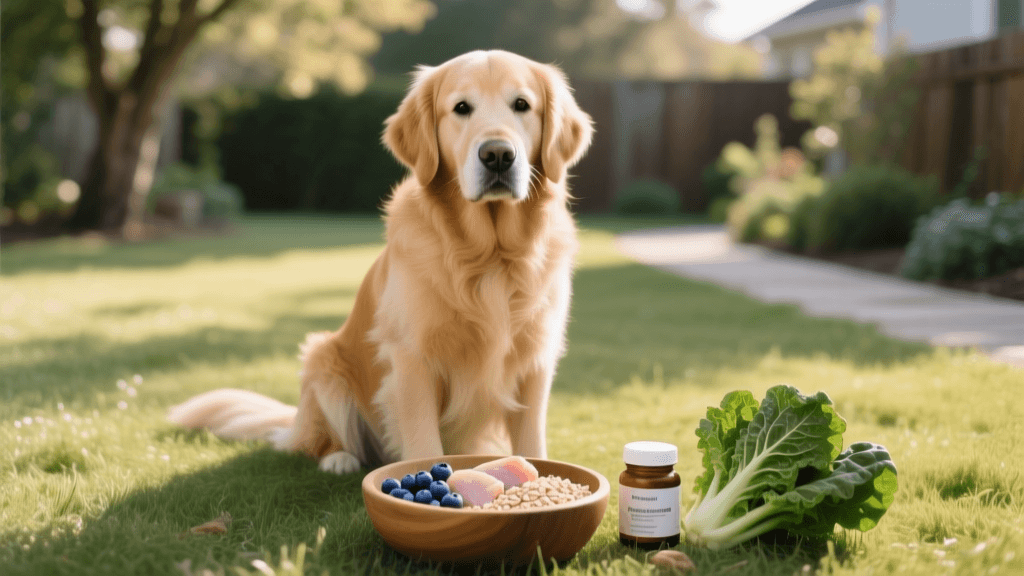
Strategic Weight Management and Nutritional Support
Adipose tissue (body fat) is not merely inactive weight; it is an active endocrine organ that secretes pro-inflammatory cytokines, directly exacerbating joint inflammation. Keeping an arthritic dog at a lean body condition score (BCS of 4/9) is arguably the most effective mechanical treatment available. However, restricting calories can lead to frustration and begging behaviors, creating psychological stress.
To combat this, 2026's behavioral nutritionists recommend replacing traditional food bowls with interactive foraging toys and lick mats. This satisfies the dog's psychological need to 'work' for their food, provides mental enrichment, and slows down consumption without making the dog feel deprived.
Environmental Modification and Biomechanical Aids
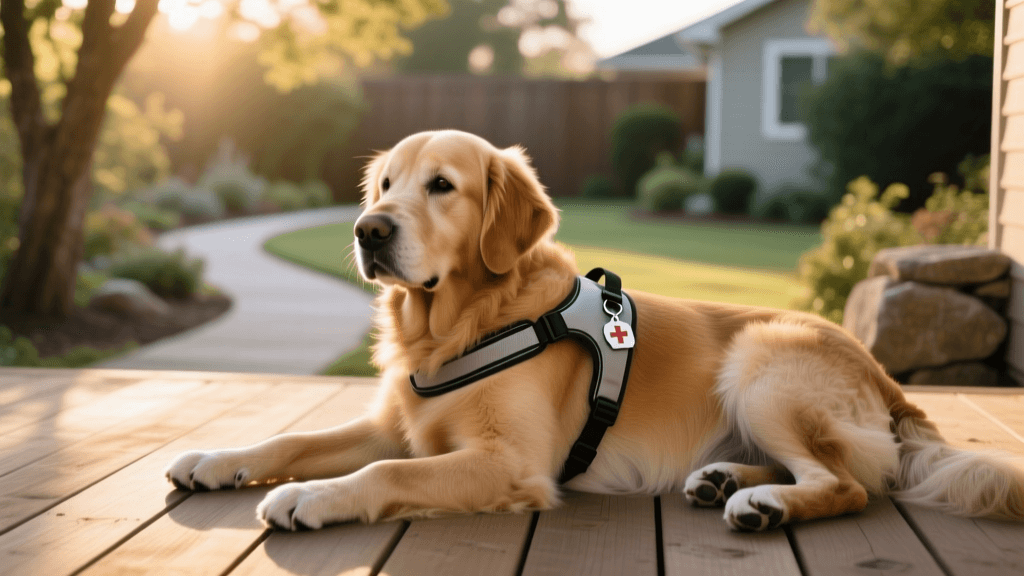
Modifying the home environment reduces the daily micro-traumas inflicted on compromised joints. Essential modifications include:
- Orthopedic Support: High-density memory foam beds that do not bottom out when the dog lies down, preventing pressure points on the hips and elbows.
- Traction Enhancement: Slippery hardwood or tile floors force dogs to use stabilizing muscles aggressively, leading to rapid fatigue and joint strain. Utilizing non-slip area rugs or applying veterinary-grade toe grips (such as Dr. Buzby's ToeGrips) provides immediate biomechanical confidence.
- Ramps and Steps: Providing angled, high-traction ramps for vehicle entry and furniture access eliminates the high-impact force of jumping, which can equal up to three times the dog's body weight on their joints upon landing.
Psychological Rehabilitation: Enrichment for the Mobility-Impaired
When a dog's physical capabilities are limited by OA, their mental stimulation must be increased to prevent depression and cognitive decline. A dog that can no longer go on five-mile hikes still possesses a powerful olfactory system and a need for purpose.
"A tired dog is a good dog, but mental fatigue is just as effective as physical fatigue. For the arthritic dog, scent work and cognitive puzzles replace the physical marathon."
Implementing 'Sniffaris'—slow, unstructured walks where the dog is allowed to dictate the pace and spend minutes processing complex scent profiles on a single patch of grass—provides immense neurological satisfaction. Scent processing utilizes a significant portion of the canine brain, burning calories and inducing a state of calm, endorphin-driven relaxation. Additionally, teaching low-impact tricks, such as 'target' (touching the nose to a target stick) or identifying toys by name, keeps the neural pathways sharp and reinforces the human-animal bond without requiring physical exertion.
Conclusion: A Holistic View of Canine Comfort
Understanding canine osteoarthritis requires looking beyond the limp. It demands an empathetic observation of the subtle behavioral shifts, the micro-expressions of discomfort, and the psychological toll that chronic pain takes on our companions. By combining cutting-edge 2026 biologics like Librela with strategic environmental modifications and targeted mental enrichment, we can do more than just manage joint disease. We can restore our dogs' confidence, preserve their unique personalities, and ensure their golden years are defined by comfort, joy, and a deep, pain-free connection with their human families.
hannah-wickes
All our authors care for dogs every day — read more of their work on the authors page.