Daily Training and Wellness Schedules for Active Dogs
Discover how to structure a daily training and wellness schedule for high-energy dogs. Includes routines, mental stimulation, and physical exercise tips.

The Importance of a Structured Routine for Active Breeds
Owning a high-energy working breed such as a Border Collie, Belgian Malinois, Vizsla, or German Shepherd is a deeply rewarding experience, but it comes with profound responsibilities. These dogs were selectively bred for endurance, intelligence, and relentless drive. Without a carefully curated daily schedule that balances physical exertion with mental conditioning and wellness routines, these dogs are prone to developing severe behavioral issues, including destructive chewing, excessive barking, and even neurotic compulsions.
A successful training regimen is not merely about teaching a dog to sit or stay; it is about integrating obedience and behavioral conditioning into a holistic daily wellness routine. When active dogs understand what is expected of them and when their needs will be met, their baseline anxiety drops significantly, making them far more receptive to advanced training and socialization techniques.
The Science of Canine Wellness and Behavioral Conditioning
Routine is the bedrock of canine psychological wellness. Dogs are circadian creatures that thrive on predictability. According to the preventive care guidelines outlined by the American Veterinary Medical Association, establishing a consistent daily schedule helps regulate a dog's metabolic and hormonal cycles, reducing spikes in cortisol (the stress hormone) that can impede learning and memory retention.
When we talk about wellness in the context of training, we are referring to the intersection of physical health, mental fatigue, and emotional stability. A dog that is physically exhausted but mentally unstimulated is still a restless dog. Conversely, a dog that is mentally fatigued but physically stagnant may develop pent-up kinetic energy. The goal of a structured daily schedule is to achieve a state of balanced homeostasis.
Morning Routine: Setting the Tone for the Day
Hydration, Potty Protocol, and Wellness Checks
The first thirty minutes of the morning should be dedicated to biological needs and quick wellness assessments. Immediately upon waking, take your dog out for a structured potty break. Use this time to practice the 'wait' and 'release' commands at the door, reinforcing impulse control before the day even begins. While outside, conduct a quick visual and tactile wellness check: run your hands over their coat to check for ticks or skin irritations, and observe their gait for any signs of joint stiffness, which is common in active working breeds.
Pre-Breakfast Obedience Training
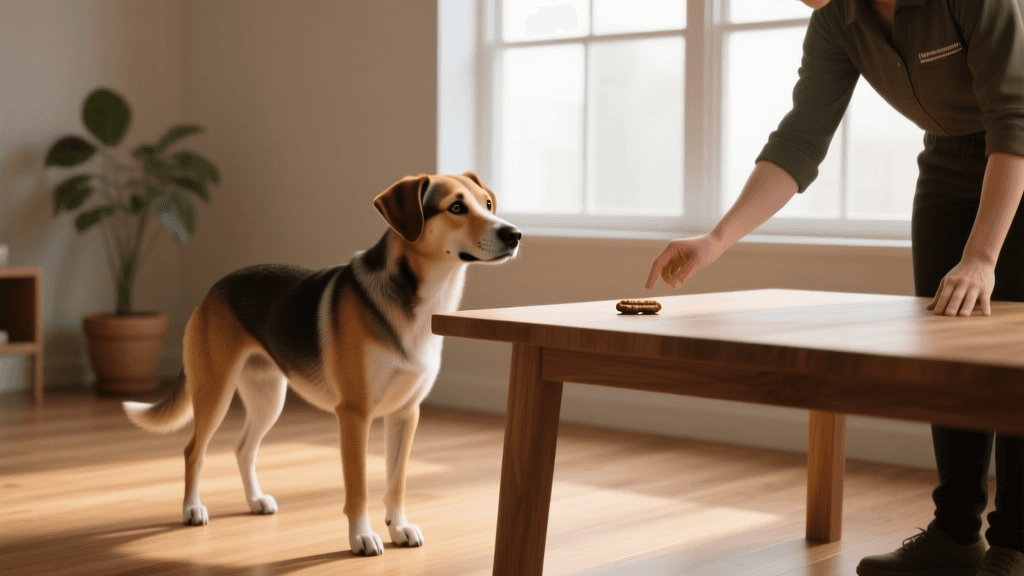
Capitalize on your dog's natural food motivation by conducting a 15-minute obedience training session before breakfast. High-energy dogs are often too distracted to focus after a long period of fasting if the food is simply handed to them. Instead, use their daily kibble allocation as training rewards.
- Minutes 1-5: Basic command review (sit, down, stay, recall).
- Minutes 6-10: Impulse control exercises (leave it, drop it, place).
- Minutes 11-15: Shaping new behaviors or trick teaching (e.g., weaving through legs, fetching specific named toys).
Following this session, feed the remainder of their breakfast in a slow-feeder bowl to promote healthy digestion and extend the mental engagement of the meal.
Midday Enrichment: Preventing the Afternoon Slump
For owners who work outside the home or are busy during the day, the midday period is where most behavioral conditioning falls apart. The American Society for the Prevention of Cruelty to Animals (ASPCA) emphasizes that boredom is a leading cause of destructive behavior in dogs. Leaving a high-energy dog alone with no outlet for their drive is a recipe for ruined furniture and neighbor complaints.
Implementing Passive Training and Scent Work
Midday enrichment should focus on passive training and independent problem-solving. Scent work is an incredibly powerful tool for mental fatigue. Before leaving, hide five to ten high-value treats (such as freeze-dried liver or small pieces of jerky) around a designated 'sniff zone' in your home or yard. This engages the dog's olfactory system, which requires immense cognitive processing and naturally tires them out.
Pro Tip: Rotate your enrichment toys weekly. A puzzle toy that is left out every day becomes part of the furniture. Keep three or four puzzle toys in a closet and rotate them to maintain novelty and sustain your dog's interest.
Evening Training: Physical Exercise and Skill Building
The evening is the time for heavy physical exertion combined with advanced skill building. A simple walk around the block is insufficient for a working breed. You must elevate their heart rate and challenge their physical coordination.
Structured Play and Agility Conditioning
Dedicate 45 to 60 minutes to structured physical activity. This could involve playing with a flirt pole (which satisfies prey drive while allowing you to control the movement and enforce 'drop' commands), running alongside a bicycle using a specialized attachment, or navigating a backyard agility course. During these activities, intermittently ask for obedience commands to ensure your dog remains responsive even in high-arousal states.
The Cool-Down and Grooming Ritual
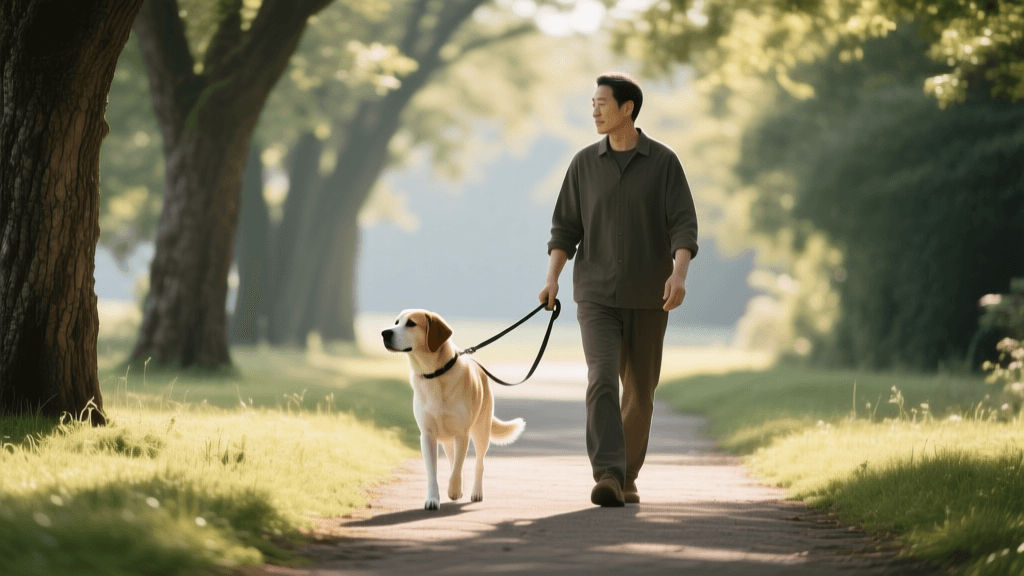
Physical exercise must always be followed by a structured cool-down to transition the dog's nervous system from sympathetic (fight or flight) to parasympathetic (rest and digest). Spend 15 minutes practicing slow, methodical leash walking, followed by a grooming session. Brushing your dog, cleaning their ears, and wiping their paws not only maintains their physical wellness but also serves as a bonding exercise that reinforces calm, submissive behavior.
Sample Daily Schedule for a High-Energy Dog
Below is a comprehensive data table outlining an optimized daily schedule for an active, working-breed dog. This schedule balances physical output, mental conditioning, and necessary rest periods.
| Time | Activity | Duration | Primary Wellness & Training Focus |
|---|---|---|---|
| 6:30 AM | Wake Up & Potty | 15 mins | Impulse control at the door; physical wellness check. |
| 6:45 AM | Obedience Training | 15 mins | Mental stimulation; command reinforcement using kibble. |
| 7:00 AM | Breakfast & Rest | 30 mins | Digestion; settling on a 'place' mat. |
| 7:30 AM | Owner Departs / Dog Rests | 4 hours | Crate training or confined free-roam; sleep cycle. |
| 11:30 AM | Midday Enrichment | 30 mins | Independent scent work; frozen puzzle toys. |
| 12:00 PM | Afternoon Nap | 4 hours | Cellular recovery; central nervous system rest. |
| 4:00 PM | Owner Returns / Potty | 15 mins | Low-arousal greeting protocol. |
| 5:00 PM | Heavy Physical Exercise | 60 mins | Cardiovascular health; prey drive management; agility. |
| 6:00 PM | Dinner & Cool Down | 45 mins | Foraging for food; parasympathetic nervous system activation. |
| 8:00 PM | Grooming & Bonding | 20 mins | Coat health; desensitization to handling; relaxation. |
| 9:30 PM | Final Potty & Bedtime | 15 mins | Bladder emptying; settling into the sleep crate. |
Recommended Tools and Products for Daily Wellness
To execute this schedule effectively, you need the right equipment. Investing in high-quality training and wellness tools will save you time and prevent frustration. Here are specific, actionable product recommendations:
- Outward Hound Fun Feeder Slo-Bowl ($12 - $15): Essential for morning and evening meals. This slow feeder prevents bloat (gastric dilatation-volvulus), a fatal condition common in deep-chested active breeds, and turns a 2-minute meal into a 10-minute mental puzzle.
- KONG Classic Dog Toy, Red ($15 - $20 depending on size): The gold standard for midday enrichment. Stuff it with a mixture of plain Greek yogurt, pumpkin puree, and kibble, then freeze it overnight. The 4-inch diameter (Large) is suitable for dogs weighing 30-65 lbs, providing up to 45 minutes of continuous licking and chewing, which releases endorphins and soothes anxiety.
- Snuffle Mat for Dogs ($25 - $35): A fabric mat with deep felt strips used for hiding dry treats. This is the premier tool for indoor scent work and olfactory conditioning. Look for mats that are machine washable and feature a non-slip rubber base to prevent sliding on hardwood floors.
- Felt Dog Flirt Pole ($30 - $45): A heavy-duty bungee cord attached to a pole with a lure at the end. This allows you to simulate prey movements while keeping your own joints safe from the strain of throwing balls. It is critical for teaching the 'out' or 'drop' command in high-drive states.
Balancing Physical Exercise with Mental Fatigue
One of the most common mistakes owners of active breeds make is assuming that physical exhaustion equals good behavior. While a tired dog is generally a good dog, a dog that is only physically tired will simply build more stamina, requiring you to run them for three hours a day just to maintain peace. This is unsustainable.
As highlighted by the training and behavioral resources provided by the American Kennel Club, mental fatigue is often more exhausting for a dog than physical exertion. Fifteen minutes of intense shaping, trick teaching, or scent work can burn as many calories and drain as much energy as a two-mile run. By weaving cognitive challenges into your daily wellness schedule, you create a well-rounded, emotionally stable companion who is capable of relaxing in the home environment.
Conclusion
Training a high-energy dog is not an event; it is a lifestyle. By implementing a structured daily schedule that honors your dog's need for physical exertion, mental stimulation, and biological wellness, you transform chaotic energy into focused obedience. Stick to the routine, utilize the right enrichment tools, and remember that consistency is the ultimate key to unlocking your working breed's true potential. A well-scheduled dog is a happy dog, and a happy dog makes for a harmonious household.
anouk-beaumont
All our authors care for dogs every day — read more of their work on the authors page.