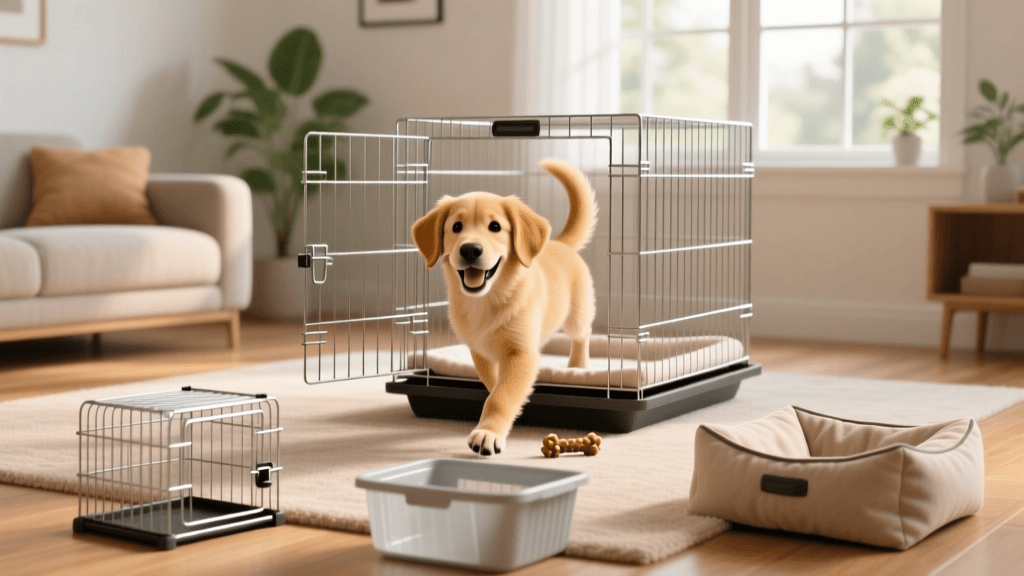
How to Build a Daily Wellness Schedule for Your New Dog
Learn how to create a structured daily wellness schedule for your newly adopted dog, covering feeding, potty breaks, exercise, and mental enrichment.

Bringing Order to the Chaos: Why Your New Dog Needs a Routine
Bringing a new dog home is one of life’s most exciting milestones. Whether you have just adopted a rescue mutt or purchased a purebred puppy, the first few days are often filled with joy, chaos, and a bit of overwhelm. While it is tempting to spend every waking hour cuddling and playing with your new companion, failing to establish a structured daily wellness schedule is one of the most common mistakes new owners make. Dogs are creatures of habit. They thrive on predictability, and a well-designed routine is the bedrock of their physical health, mental stability, and behavioral development.
According to the ASPCA's general dog care guidelines, establishing a consistent schedule for feeding, exercise, and bathroom breaks helps reduce anxiety and accelerates the bonding process. When a dog knows what to expect and when to expect it, their cortisol (stress) levels drop, allowing them to decompress and feel safe in their new environment. This comprehensive guide will walk you through building a holistic daily wellness schedule tailored to your new dog's specific needs.
The Four Pillars of a Canine Wellness Schedule
A truly effective wellness routine goes beyond simply letting the dog out into the yard. It must address four core pillars: nutritional timing, strategic potty training, balanced enrichment, and enforced rest.
1. Nutritional Timing and Hydration
Free-feeding (leaving a bowl of kibble out all day) is detrimental to both potty training and behavioral wellness. Instead, implement scheduled mealtimes. For adult dogs, two meals a day—roughly 12 hours apart—is ideal. Puppies under six months require three to four smaller meals daily to maintain stable blood sugar levels. Measure your dog's food using a standard measuring cup or a digital kitchen scale based on the caloric guidelines provided by your veterinarian and the food manufacturer. Always remove the water bowl two hours before bedtime to minimize overnight potty accidents, but ensure ample fresh water is available throughout the day.
2. Strategic Potty Breaks
House training is fundamentally a scheduling issue. The Humane Society of the United States emphasizes that puppies and newly adopted adult dogs must be taken outside after every major transition: waking up, eating, drinking, playing, and after being released from a crate. For an 8-week-old puppy, this means a potty break every 1 to 2 hours. Use a high-value treat, such as small pieces of boiled chicken or freeze-dried liver, to reward the dog immediately after they eliminate outdoors. This positive reinforcement builds a strong neurological association between going potty outside and receiving a reward.
3. Physical Exercise vs. Mental Enrichment
A common misconception is that physical exhaustion equals a well-behaved dog. However, physical exercise without mental enrichment can actually create a canine athlete with endless stamina and poor impulse control. A balanced wellness schedule incorporates both. Dedicate 30 to 45 minutes to physical exercise, such as a brisk neighborhood walk or a game of fetch. Equally important is a 15-minute daily 'sniffari'—a slow, unstructured walk where the dog is allowed to sniff their environment extensively. Sniffing lowers a dog's heart rate and provides immense mental stimulation, tiring them out just as effectively as a physical run.
4. Enforced Rest and Decompression
Dogs, especially puppies, do not always know when they need to sleep. A puppy requires up to 18 hours of sleep per day, while an adult dog needs 12 to 14 hours. Overtired dogs exhibit 'zoomies,' excessive biting, and an inability to focus. Incorporate 'enforced naps' into your schedule by placing your dog in their crate or a quiet, dimly lit pen for 1 to 2 hours after periods of high activity. This teaches them how to self-soothe and settle down independently.
Sample Daily Wellness Schedules
Below is a comparative schedule to help you structure your day. Adjust the exact times to fit your personal work schedule, but maintain the relative intervals between activities.
| Time of Day | Puppy (8-16 Weeks) | Adult Dog (1+ Years) |
|---|---|---|
| 6:30 AM - 7:00 AM | Immediate potty break, followed by breakfast. | Potty break and morning sniffari (20 mins). |
| 7:00 AM - 8:30 AM | Short play session, potty, then enforced crate nap. | Breakfast, then relax or settle in a 'place' bed. |
| 8:30 AM - 11:30 AM | Sleep. Potty break at 10:00 AM, then back to sleep. | Owner leaves for work; dog rests or uses puzzle toys. |
| 12:00 PM - 1:00 PM | Lunch, potty break, 10 mins of training, then nap. | Midday dog walker visit (30 mins walk + potty). |
| 1:00 PM - 4:30 PM | Sleep. Potty break at 3:00 PM, then back to sleep. | Resting, chewing on a safe edible chew or lick mat. |
| 5:00 PM - 6:00 PM | Potty, vigorous play/training session, dinner. | Owner returns; decompression walk (45 mins). |
| 6:00 PM - 8:00 PM | Enforced nap in crate to digest dinner. | Dinner, followed by indoor relaxation or trick training. |
| 8:00 PM - 9:00 PM | Water removed. Final short play and potty break. | Final evening potty break and settle down. |
| 10:00 PM | Final potty, straight into the crate for the night. | Sleeping in designated dog bed or crate. |
Navigating the '3-3-3 Rule' of Adoption
When building your schedule, you must account for the emotional state of a newly adopted dog. The rescue community widely recognizes the '3-3-3 Rule' to describe the decompression timeline of a shelter dog. During the first 3 days, the dog may feel terrified, overwhelmed, and unsure of their surroundings. They might refuse to eat or hide in their crate. During this phase, keep the schedule incredibly low-key; limit visitors and stick strictly to quiet potty breaks and rest.
After 3 weeks, the dog begins to settle, learn your routine, and show their true personality. This is the time to introduce more structured mental enrichment, formal obedience training, and longer walks. Finally, at the 3-month mark, the dog typically feels fully secure and attached to you. As noted by the Centers for Disease Control and Prevention (CDC), establishing a long-term routine of proper care, regular veterinary check-ups, and daily exercise is vital for preventing chronic stress and behavioral issues in adopted pets. Your schedule should evolve as your dog moves through these phases, gradually increasing in complexity and social exposure.
Essential Wellness Gear for Your Routine
To execute this schedule successfully, you need the right tools. Investing in high-quality wellness products will save you time and frustration.
- Interactive Puzzle Toys: The 'Outward Hound Nina Ottosson Dog Brick' is an excellent tool for mental enrichment. Use it during the midday break to feed your dog their kibble, turning mealtime into a brain game.
- Snuffle Mats: These fabric mats mimic foraging in the wild. Scatter a handful of treats or kibble into the mat for a 10-minute decompression activity before you leave for work.
- Enzymatic Cleaners: Accidents will happen. A high-quality enzymatic cleaner like 'Nature's Miracle' is non-negotiable. Standard household cleaners do not break down the uric acid crystals in dog urine, meaning your dog will still smell it and be prompted to re-soil the same spot.
- Long-Line Training Leash: A 15-to-30-foot lightweight biothane long-line is perfect for safe 'sniffaris' in open areas, giving your new dog the freedom to explore and decompress without the risk of them bolting.
- Adaptil Calming Diffuser: Plug this pheromone diffuser into the wall near your dog's crate or primary resting area. It releases synthetic dog-appeasing pheromones that mimic those produced by a nursing mother, significantly aiding in the decompression process during the first few weeks.
Consistency is the Ultimate Act of Love
Building a daily wellness schedule for your new dog is not about restricting their freedom; it is about providing a framework in which they can confidently thrive. The first few weeks of enforcing naps, measuring meals, and sticking to potty intervals may feel rigid and exhausting. However, this temporary discipline pays lifelong dividends. A dog that knows exactly when they will eat, walk, and rest is a dog that feels safe. By committing to this structured approach, you are laying the foundation for a deeply bonded, well-adjusted, and healthy companion for years to come.
tom-renshaw
All our authors care for dogs every day — read more of their work on the authors page.