The Ultimate Daily Wellness Schedule for Healthy Adult Dogs
Discover the ideal daily wellness schedule for adult dogs. Learn how to balance exercise, mental enrichment, and rest for a happier, healthier pet.
Why a Structured Daily Routine Matters for Canine Wellness
When we think of wellness routines, we often picture human habits like morning yoga, meal prepping, and strict sleep schedules. However, our canine companions benefit just as profoundly from a structured daily schedule. Dogs are inherently creatures of habit, and their biological clocks are deeply attuned to the rhythms of their household. A predictable daily wellness schedule does more than just ensure your dog gets outside on time; it actively reduces anxiety, improves digestive health, and provides a balanced mix of physical and mental stimulation.
According to behavioral experts, predictability is a cornerstone of canine emotional stability. When a dog knows what to expect and when to expect it, their baseline stress hormones decrease. This is especially crucial in multi-pet households or homes with busy, fluctuating human schedules. By implementing a dedicated wellness routine, you are not just managing your dog's time—you are actively investing in their long-term physical health and psychological well-being.
The Ideal Morning Routine: Setting the Tone for the Day
A successful day starts the moment your dog wakes up. The morning routine should focus on physical relief, hydration, mental stimulation, and controlled physical exertion.
6:30 AM - 7:00 AM: Wake-Up, Potty, and Hydration
Start the day with immediate access to a designated potty area. Afterward, ensure your dog's water bowl is refreshed with cool, clean water. An adult dog should drink approximately one ounce of water per pound of body weight daily. For a 50-pound dog, this means roughly 50 ounces (about 6 cups) of water throughout the day. Starting the morning with a full, clean bowl encourages early hydration, which is vital for kidney function and joint lubrication.
7:00 AM - 7:30 AM: Foraging Breakfast
Ditch the standard food bowl. In the wild, canines spend up to 80% of their waking hours foraging and hunting for food. You can replicate this natural behavior by using puzzle feeders. Measure out your dog's specific caloric requirement (e.g., 1.5 cups of high-quality kibble) and mix it with a tablespoon of plain, dog-safe pumpkin puree or plain Greek yogurt. Load this mixture into a KONG Classic (approx. $15) or scatter it across a **Snuffle Mat** (approx. $20-$30). This turns a 5-minute meal into a 20-minute mental workout, engaging their olfactory senses and preventing rapid eating, which reduces the risk of bloat.
7:30 AM - 8:30 AM: The Morning 'Sniffari'
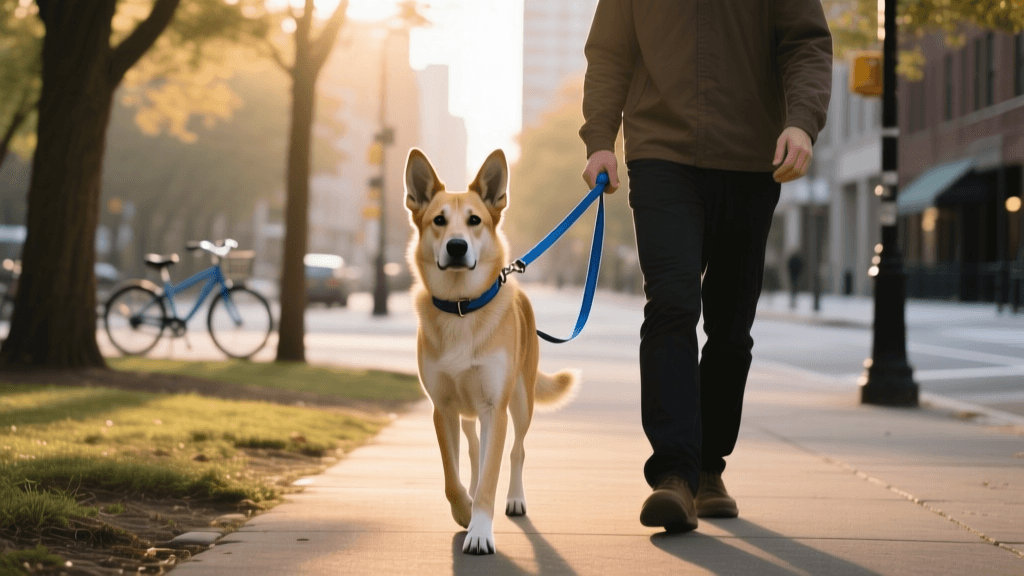
Instead of a fast-paced, heel-focused walk, dedicate the morning outing to a 'Sniffari.' Allow your dog to lead the pace and stop to sniff as much as they like. Sniffing lowers a dog's heart rate and provides immense mental fatigue. A 45-minute sniffing walk can tire a dog out just as much as a two-mile run. The Centers for Disease Control and Prevention (CDC) notes that regular dog walking not only improves canine cardiovascular health but also significantly lowers blood pressure and stress levels in the human handlers, making this a mutually beneficial wellness activity.
Mid-Day and Afternoon: Decompression and Enrichment
If you work from home or have a mid-day dog walker, the mid-day routine should focus on breaking up periods of inactivity and providing low-stakes mental enrichment.
12:00 PM - 12:30 PM: Mid-Day Relief and Decompression
A quick 15-minute potty break is essential. Follow this with a brief decompression session. If your dog is crate-trained or has a designated 'place' mat, guide them there with a long-lasting chew. A bully stick or a yak milk chew (approx. $8-$12 each) provides an excellent outlet for natural chewing instincts, which releases endorphins and helps soothe any mid-day anxiety.
3:00 PM - 3:15 PM: Interactive Brain Games
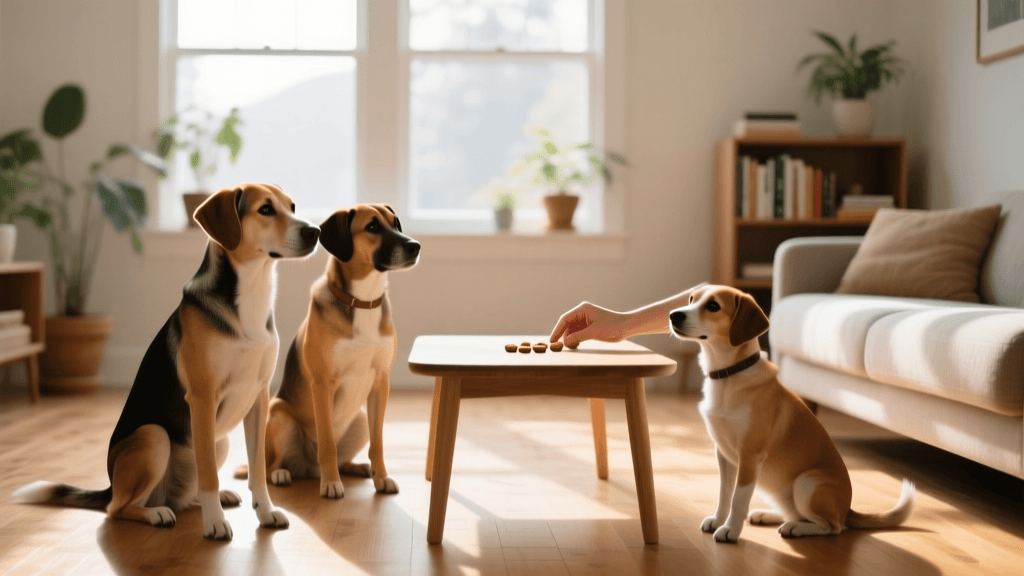
Before the afternoon slump sets in, engage your dog in a quick, 10-minute training or puzzle session. Use an interactive toy like the Outward Hound Dog Brick Puzzle (approx. $15). Hide a few high-value treats (like freeze-dried liver pieces) under the sliding compartments. Short, positive reinforcement training sessions—practicing commands like 'leave it,' 'touch,' or 'stay'—keep your dog's neural pathways active and reinforce the human-animal bond.
Evening Routine: Exercise, Nutrition, and Wind-Down
The evening is the time to burn off any residual physical energy and transition the household into a state of rest.
5:30 PM - 6:30 PM: Structured Physical Exercise
While the morning was for sniffing, the evening is for structured physical exertion. Depending on your dog's breed and energy level, this could mean a brisk 3-mile walk, a game of fetch in a secure area, or a session of canine agility in the backyard. High-energy breeds like Border Collies or Vizslas may require an hour of vigorous activity, while brachycephalic breeds like Pugs or French Bulldogs may only need a leisurely 20-minute stroll to avoid respiratory strain.
6:30 PM - 7:00 PM: Dinner and Digestion
Serve the second half of your dog's daily caloric allotment. Feeding at a consistent time every evening helps regulate their digestive tract, making morning potty breaks highly predictable. Allow your dog to rest for at least an hour after eating to promote proper digestion and mitigate the risk of Gastric Dilatation-Volvulus (GDV), commonly known as bloat.
8:30 PM - 9:00 PM: Grooming and Bonding
Use the quiet evening hours for gentle grooming. Brushing your dog's coat for 10 minutes not only distributes natural oils and prevents matting but also serves as a bonding exercise. Use this time to check their paw pads for debris, inspect their ears for signs of infection, and brush their teeth with an enzymatic dog toothpaste. This daily micro-exam ensures you catch any physical abnormalities, like lumps or ticks, long before they become serious health issues.
Activity Breakdown: Structuring Your Dog's Day
To help you visualize how these activities fit together, refer to the wellness schedule matrix below. This chart balances physical output with mental input, ensuring your dog remains holistically healthy.
| Activity Type | Recommended Duration | Primary Wellness Benefit | Estimated Cost (Tools) |
|---|---|---|---|
| Morning Sniffari | 30 - 45 Minutes | Olfactory stimulation, stress reduction | $0 (Harness/Leash) |
| Puzzle Feeding | 15 - 20 Minutes | Cognitive engagement, slow feeding | $15 - $30 |
| Structured Exercise | 30 - 60 Minutes | Cardiovascular health, muscle tone | $0 - $20 (Toys) |
| Targeted Training | 10 - 15 Minutes | Impulse control, mental fatigue | $5 (High-value treats) |
| Active Chewing | 20 - 30 Minutes | Dental health, endorphin release | $8 - $15 per chew |
The Crucial Role of Sleep and Recovery
One of the most overlooked aspects of a daily wellness schedule is rest. While humans typically need 7 to 9 hours of sleep, adult dogs require significantly more. According to the American Kennel Club (AKC), the average adult dog sleeps between 12 and 14 hours per day, with puppies and senior dogs needing up to 18 hours.
Sleep is not merely 'downtime' for your dog; it is an active physiological state where cellular repair, memory consolidation, and immune system strengthening occur. Depriving a dog of adequate rest by over-scheduling their day can lead to chronic fatigue, irritability, and a compromised immune system.
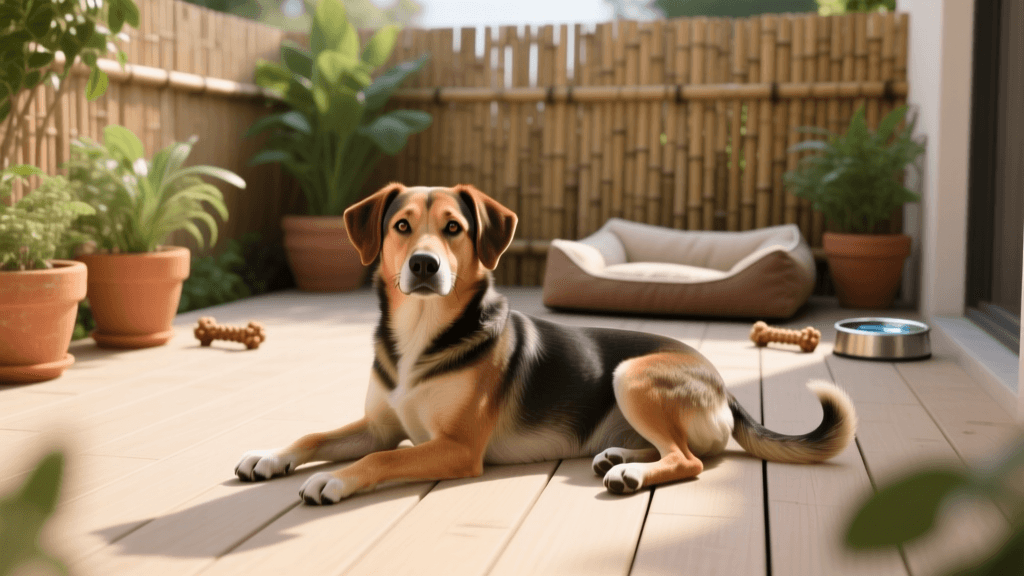
Ensure your dog has a dedicated, orthopedic sleep space located in a quiet, temperature-controlled area of the home. Memory foam beds (ranging from $40 to $150) are highly recommended, especially for medium-to-large breeds prone to joint issues like hip dysplasia. Respect your dog's sleep cycles; if they are dozing in their bed, avoid waking them for unnecessary interactions.
Adjusting the Schedule for Breed and Individual Needs
While the framework above provides a robust baseline, it must be tailored to your specific dog. A working-line German Shepherd will require vastly more physical and mental exertion than a senior Basset Hound.
- High-Energy/Working Breeds: Increase the duration of the evening structured exercise and incorporate advanced scent-work or agility training to prevent destructive behaviors born from boredom.
- Brachycephalic (Short-Nosed) Breeds: Limit vigorous exercise during the heat of the day. Focus heavily on indoor mental enrichment, lick mats, and scent games to tire them out without compromising their airways.
- Senior Dogs: Break the daily exercise into three or four shorter, 10-minute walks rather than one long trek. Incorporate gentle joint supplements (like glucosamine and chondroitin) into their morning meal, as advised by your veterinarian.
Consistency is the Key to Canine Wellness
Ultimately, a daily wellness schedule is a commitment to your dog's holistic health. It requires intentionality, patience, and a willingness to observe how your dog responds to different activities. By balancing physical exercise, mental enrichment, proper nutrition timing, and abundant rest, you create an environment where your dog doesn't just survive—they thrive. Implement this routine consistently, and you will likely notice a calmer demeanor, improved physical fitness, and a deeper, more communicative bond with your canine companion.
aaron-whyte
All our authors care for dogs every day — read more of their work on the authors page.