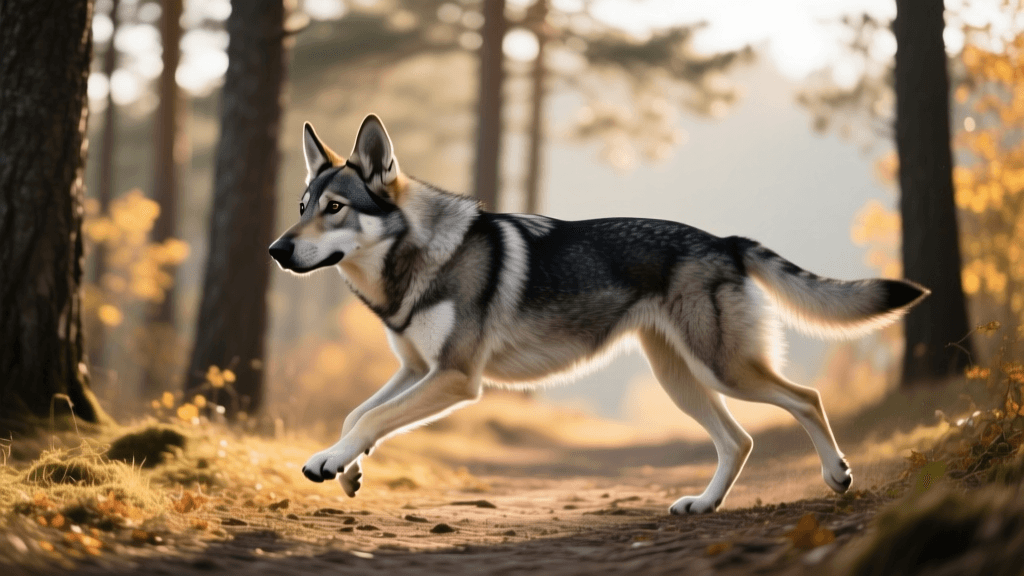
2026 Czechoslovakian Wolfdog Training: Impulse Control Tips
Master Czechoslovakian Wolfdog training in 2026 with expert impulse control and engagement techniques for this unique, exotic international breed.
The Exotic Appeal and Behavioral Reality of the CSV
The Czechoslovakian Wolfdog, often referred to as the Vlcak, is a stunning and exotic international breed that continues to capture the hearts of advanced dog enthusiasts worldwide. Originally developed in the 1950s by crossing German Shepherds with Carpathian wolves, this breed retains a primitive, highly intelligent, and deeply independent mindset. As we navigate the dog training landscape in 2026, the popularity of exotic and rare breeds has surged, bringing unique challenges to the forefront of behavioral conditioning.
According to the Fédération Cynologique Internationale (FCI), the Vlcak is characterized by its strong pack drive, exceptional endurance, and inherent suspicion of strangers. While these traits make them unparalleled working dogs and loyal companions, they also mean that standard, cookie-cutter obedience training methods are largely ineffective. Training a Czechoslovakian Wolfdog requires a nuanced, science-based approach that prioritizes engagement, impulse control, and mutual respect over blind compliance.
Why Traditional Obedience Fails Primitive Breeds
In 2026, modern veterinary behaviorists and certified trainers universally agree that dominance-based or compulsion training methods are not only outdated but actively harmful, especially for primitive and wolfdog breeds. The ASPCA and leading behavioral organizations emphasize that force-free, reward-based methodologies yield the most reliable long-term results. For a breed with the genetic memory of a wild predator, physical corrections or harsh verbal reprimands will trigger one of two responses: a complete shutdown (learned helplessness) or defensive aggression.
Furthermore, the Vlcak does not possess the innate 'biddability' of a Golden Retriever or a Border Collie. They do not perform tasks simply to please their handler. Instead, they ask, 'What is in it for me, and does this make sense for our pack?' Therefore, training must be framed as a cooperative partnership rather than a dictatorial exercise.
2026 Engagement Protocols for High-Drive Dogs
Before you can teach a 'sit' or a 'stay,' you must teach the dog that engaging with you is the most rewarding experience in their environment. This is known as handler engagement, and it is the foundational pillar of all exotic breed training.
Selecting the Right Reinforcers
Standard kibble will not cut it when a Vlcak is distracted by the scent of a deer. In 2026, top trainers recommend using high-value, single-ingredient, air-dried or freeze-dried raw treats. Brands like Ziwi Peak (Venison recipe) or Stella & Chewy's raw coatings are excellent choices. These treats retail for approximately $35 to $45 per bag in 2026, but their high palatability is essential for maintaining focus in high-distraction environments.
The Name Game and Eye Contact
- Step 1: In a low-distraction indoor environment, say your dog's name exactly once.
- Step 2: The moment your Vlcak makes eye contact, mark the behavior with a clicker or a verbal 'Yes!' and immediately deliver a high-value treat.
- Step 3: Repeat this 20 times per session, keeping sessions under 5 minutes to prevent mental fatigue.
- Step 4: Gradually increase the difficulty by moving to the backyard, then the front yard, and eventually to public parks.
Step-by-Step Impulse Control Drills
Impulse control is the ability of the dog to resist an immediate urge in favor of a more rewarding or safer outcome. For a breed with a high prey drive, this is not just an obedience exercise; it is a life-saving skill.
Drill 1: The Engage-Disengage Game (LAT Protocol)
This protocol is vital for managing reactivity toward wildlife, unfamiliar dogs, or strangers. You will need a 30-foot Biothane long line (which costs around $45 in 2026 and is preferred over nylon for its durability and tangle-resistance) and a secure GPS tracker like the Fi Series 4 collar, which retails for approximately $149 and offers industry-leading satellite tracking for off-leash safety.
- Find your dog's 'threshold distance'—the distance at which they notice a trigger (e.g., a squirrel) but do not react or pull.
- When the dog looks at the trigger, count one second. If they turn their head back to you, mark and reward heavily.
- If they do not turn back, calmly use the long line to guide them away, increasing the distance until they disengage.
- Over weeks of consistent practice, the dog will learn that looking at a trigger predicts a reward from you, effectively rewiring their impulse to chase.
Drill 2: The 'Place' Command for Settling
Teaching a Vlcak to settle on a raised cot (such as a Kuranda bed) helps them learn how to turn off their brain and relax. Start by luring them onto the bed with a treat. Mark and reward when all four paws are on the cot. Gradually increase the duration before the reward is given, eventually adding distance. This is particularly useful when hosting guests, as it gives the dog a designated 'safe zone' where they are not required to patrol or guard.
Managing Prey Drive: A Structured Approach
It is crucial to understand that you cannot train the prey drive out of a Czechoslovakian Wolfdog. It is a hardwired survival sequence: eye, stalk, chase, grab, kill, dissect, consume. Training focuses on interrupting this sequence before the 'chase' phase begins. According to the American Kennel Club (AKC), early and continuous socialization is paramount for breeds with strong hunting instincts to ensure they can coexist peacefully in modern domestic environments.
'The goal of training a primitive breed is not to suppress their natural instincts, but to provide them with appropriate, controlled outlets while establishing reliable verbal brakes for emergency situations.' — 2026 International Primitive Breed Symposium Guidelines.
Comparison Table: Standard Breeds vs. Czechoslovakian Wolfdogs
| Training Feature | Standard Companion Breeds | Czechoslovakian Wolfdog (CSV) |
|---|---|---|
| Primary Motivation | Handler praise, play, standard treats | High-value food, environmental exploration, pack bonding |
| Learning Speed | Fast, eager to repeat for praise | Fast, but questions the utility of repetition |
| Response to Corrections | May comply or show mild stress | Will shut down, avoid handler, or become defensive |
| Recall Reliability | High in most environments | Requires lifelong management; never 100% reliable around high prey |
| Socialization Window | Up to 14-16 weeks | Critical window closes earlier; requires intense, positive exposure by 12 weeks |
Environmental Socialization for International Breeds
Because the CSV was developed in a specific geographic and climatic region, introducing them to diverse global environments requires deliberate effort. Socialization is not merely about letting the dog meet other dogs; it is about exposing them to novel surfaces, sounds, weather conditions, and urban stimuli without triggering their flight-or-fight response.
In 2026, structured 'decompression walks' in nature reserves are highly recommended for exotic breeds. These walks involve allowing the dog to sniff and explore at their own pace on a long line, which lowers their baseline cortisol levels and builds confidence. Avoid forcing interactions with strangers or unfamiliar dogs. Instead, reward the dog for calmly observing the environment from a distance. If your Vlcak shows hesitation toward a novel object (like a metal grate or a strange statue), do not coddle them with a high-pitched voice, as this can validate their fear. Instead, toss high-value treats near the object, allowing the dog to approach and investigate on their own terms.
Conclusion: Patience and Partnership
Training a Czechoslovakian Wolfdog in 2026 is a journey of mutual discovery. It demands a handler who is patient, observant, and willing to adapt to the dog's unique psychological needs. By prioritizing deep engagement, utilizing modern force-free impulse control drills, and respecting the primitive nature of this exotic international breed, you will forge an unbreakable bond. The Vlcak may never be a traditional obedience champion, but they will be a profoundly loyal, deeply connected partner who trusts you implicitly in a complex world.
anouk-beaumont
All our authors care for dogs every day — read more of their work on the authors page.