2026 Cooperative Care Dog Training: Build Trust & Bond
Discover how cooperative care training builds deep trust with your dog in 2026. Learn chin rest, target stick, and voluntary husbandry techniques.
The Evolution of Canine Husbandry: Why Consent Matters in 2026
As we navigate dog ownership in 2026, the paradigm of canine care has fundamentally shifted. Gone are the days when physical restraint and forced compliance were considered the only ways to groom, medicate, or examine our pets. Today, the gold standard in veterinary and behavioral science is cooperative care—a training philosophy that empowers dogs to voluntarily participate in their own husbandry. This approach does more than just make nail trims and vet visits easier; it forges an unbreakable bond built on mutual trust, clear communication, and profound respect for your dog's autonomy.
Cooperative care is rooted in the understanding that when a dog feels they have a choice, their stress levels plummet, and their confidence skyrockets. According to the International Association of Animal Behavior Consultants (IAABC), allowing animals agency in their care significantly reduces fear-based aggression and learned helplessness. By teaching your dog that they can 'opt-out' of a procedure at any time, you paradoxically make them far more willing to 'opt-in'. This guide will walk you through the foundational techniques, essential gear, and mindset shifts required to master cooperative care and deepen your relationship with your canine companion this year.
Essential Gear for Voluntary Husbandry Success
Before diving into the training protocols, you need the right tools. The 2026 market offers fantastic, purpose-built equipment designed specifically for force-free handling. Here is what you need to build your cooperative care toolkit:
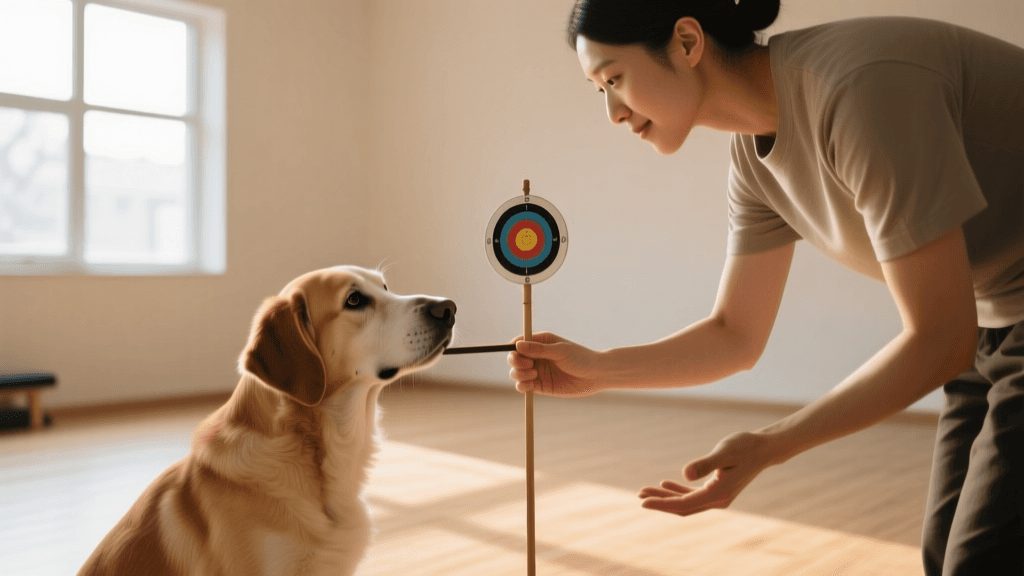
- Extendable Target Stick: A staple in positive reinforcement, the Karen Pryor Clicker Training (KPCT) Extendable Target Stick (updated with a high-visibility, soft-touch ball for 2026) is crucial for guiding your dog into specific positions without physically manipulating their body. You can learn more about targeting fundamentals via Karen Pryor Clicker Training.
- Non-Slip Grooming Mat: A dedicated mat with a textured, grippy surface signals to your dog that it is time for a training session. The mat becomes a 'safe zone' where they know they will never be forced into an uncomfortable position.
- Licking Mats and Snuffle Puzzles: Tools like the LickiMat Soother are invaluable for spreading high-value treats (like plain pumpkin puree or low-sodium bone broth frozen overnight). Licking releases endorphins in a dog's brain, naturally soothing them during minor procedures like brushing or ear cleaning.
- High-Value Treat Dispenser: A dedicated pouch that only comes out during husbandry training. Fill it with novel, high-reward items like freeze-dried beef lung or small pieces of low-fat cheese.
Step-by-Step: Teaching the 'Chin Rest' for Deep Bonding
The chin rest is arguably the most versatile and powerful cooperative care behavior you can teach. It is used for eye exams, ear cleaning, nail clipping, and even just taking a moment to connect with your dog. The goal is for your dog to voluntarily place their chin on a designated surface (your lap, a stool, or a specialized chin rest target) and hold it there while you perform a task.
Phase 1: Capturing the Behavior
Sit in front of your dog with a treat in one hand and a clicker (or your chosen marker word like 'Yes!') in the other. Hold your hand or a small cushion just below your dog's snout. The moment they investigate and their chin grazes the surface, mark the behavior and deliver a high-value treat. Repeat this 10 to 15 times until your dog is eagerly offering the chin drop.
Phase 2: Adding Duration
Once your dog understands the physical action, delay your marker by half a second, then a full second. Gradually build the duration up to five seconds. If your dog lifts their head before you mark, simply reset and try again with a shorter duration. Never physically hold their head down; the power of this exercise lies entirely in their voluntary choice to remain still.
Phase 3: Introducing the 'Start Button' and Distractions
Once your dog can hold a chin rest for 10 seconds, introduce a secondary stimulus. While their chin is resting, gently touch their shoulder with your other hand. Mark and reward. Slowly progress to touching their ears, lifting their paw, or holding a brush near their coat. If they lift their chin, it means 'I need a break.' Respect this immediately. This 'opt-out' mechanism is what builds ultimate trust.
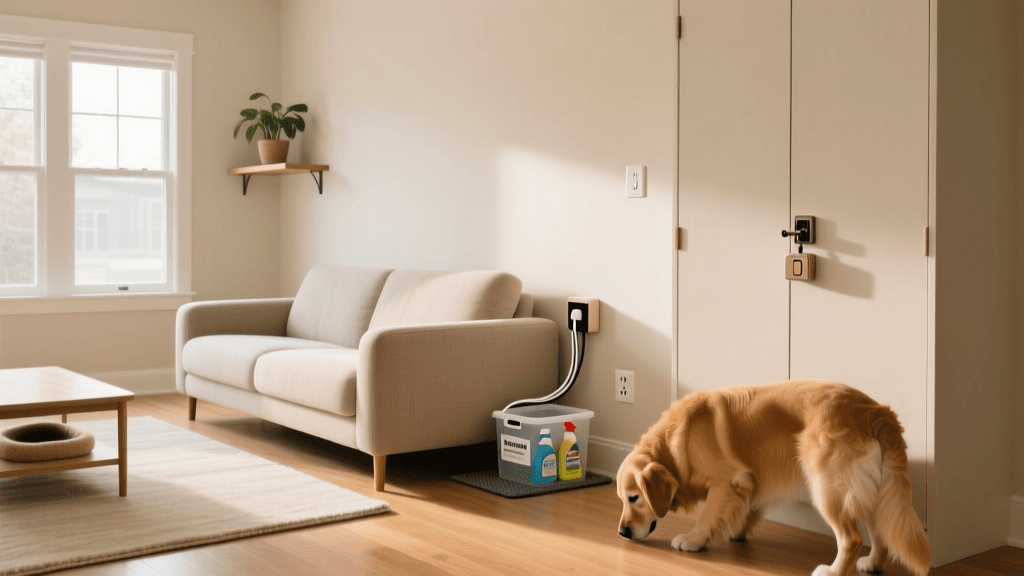
The Bucket Game: Teaching Your Dog to Say 'No'
Developed by renowned animal behaviorist Chirag Patel, the Bucket Game is a revolutionary consent-testing protocol that has become a cornerstone of modern cooperative care. It teaches your dog that looking away from a bucket of treats means 'stop what you are doing,' and looking back means 'you may proceed.'
How to play:
- Place a bucket filled with amazing treats on a stool or the floor.
- Allow your dog to eat from the bucket. While they are eating, gently touch their back.
- If your dog stays focused on the bucket, continue the gentle touch and let them keep eating.
- If your dog turns their head away from the bucket to look at you or the environment, immediately stop touching them.
- When your dog turns their head back to the bucket, resume eating and resume the gentle touch.
This game profoundly shifts the power dynamic. Your dog learns that they have a voice and that you will listen when they say 'no.' In 2026, top-tier veterinary clinics certified by Fear Free Pets actively encourage owners to practice the Bucket Game at home to prepare dogs for low-stress medical exams.
Comparative Analysis: Forced Restraint vs. Cooperative Care
Understanding the physiological and psychological differences between traditional handling and cooperative care highlights why the latter is superior for relationship building.
| Aspect | Traditional Forced Restraint | Cooperative Care (2026 Standard) |
|---|---|---|
| Dog's Emotional State | Fear, anxiety, learned helplessness | Curiosity, confidence, relaxation |
| Owner's Role | Enforcer, physical restrainer | Partner, communicator, advocate |
| Response to Discomfort | Struggling, freezing, or biting | Using an 'opt-out' signal (e.g., lifting chin) |
| Long-Term Bond Impact | Erodes trust; creates avoidance behaviors | Deepens trust; strengthens the human-animal bond |
| Vet Visit Recovery | Days or weeks of stress and hiding | Minimal stress; quick return to baseline |
Troubleshooting Common Roadblocks
Transitioning to cooperative care requires patience, especially if your dog has a history of forced handling. Here is how to navigate common challenges:
- My dog won't stay still for more than a second: You are likely increasing the criteria too quickly. Go back to basics. Reward for a micro-second of stillness. Ensure your training environment is free from high-level distractions.
- My dog walks away from the grooming mat: This is valuable information! It means the session is too long, the treats aren't valuable enough, or the procedure is too scary. End the session on a positive note with a quick, easy win, and reassess your setup for next time.
- My dog gets 'stuck' in the chin rest and seems tense: Some dogs freeze out of fear rather than relaxing. Watch for stress signals like whale eye, lip licking, or stiff breathing. If you see these, gently toss a treat away from the mat to 'break' the freeze and reset the emotional state.
Real-World Applications: Vet Visits and Nail Trims
The ultimate goal of cooperative care is to translate these living room exercises into real-world scenarios. Imagine walking into your veterinarian's clinic. Instead of your dog hiding under the chairs or panting heavily, they hop up onto the examination table and offer a chin rest on the vet's arm. The vet is able to check their teeth, look in their ears, and draw blood while your dog remains focused on a licking mat, knowing they can lift their head if they need a break.
This is not a fantasy; it is the reality for thousands of dogs whose owners have invested in voluntary husbandry training. Nail trims, often the most dreaded task for dog owners, become a collaborative dance. Your dog offers a paw, you clip one nail, you reward, and you wait for them to offer the paw again. If they pull back, you respect the boundary, take a breath, and try again.
Final Thoughts on Deepening Your Bond
Bonding with your dog is about more than just playing fetch or cuddling on the couch. True, resilient bonding is forged in the moments of vulnerability. When you handle your dog's body with respect, when you listen to their subtle communications, and when you give them the agency to say 'no,' you are telling them that they are safe with you. Cooperative care is the ultimate expression of love and respect in the modern human-canine relationship. Start small, celebrate every voluntary choice your dog makes, and watch your bond transform into an unshakable partnership in 2026 and beyond.
hannah-wickes
All our authors care for dogs every day — read more of their work on the authors page.