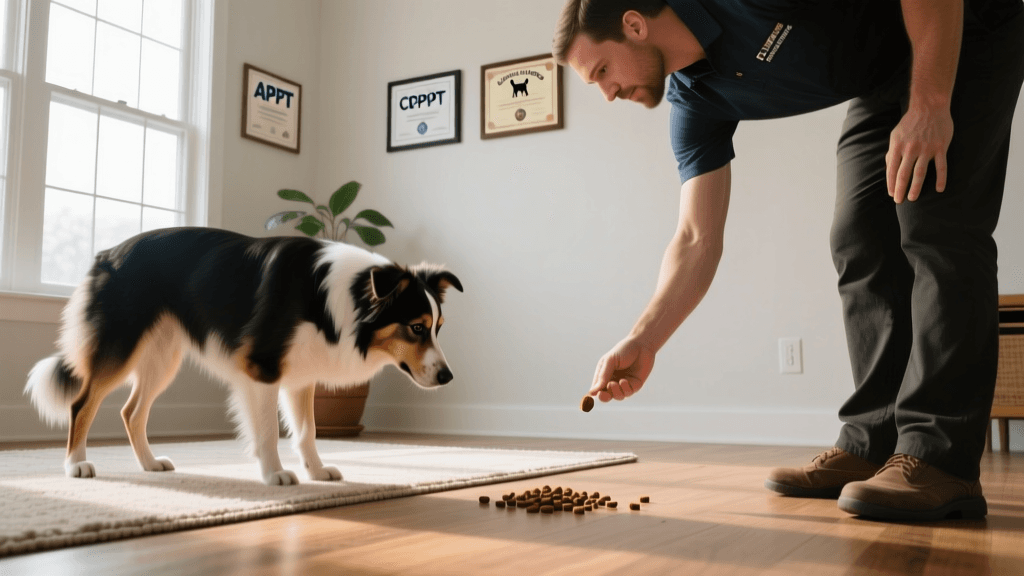
Cooperative Care Training For Anxious Rescue Dogs: 2026 Bonding Guide
Discover how consent-based cooperative care training builds deep trust with anxious rescue dogs in 2026. Step-by-step bonding techniques and tools.
The Evolution of Rescue Dog Rehabilitation in 2026
Bringing a rescue dog into your home is a profound commitment, but it often comes with the challenge of overcoming deep-seated fear and anxiety. Historically, dog training relied heavily on physical restraint and forced compliance, especially during grooming and veterinary procedures. However, the landscape of canine behavioral science has shifted dramatically. Today, the ASPCA and leading veterinary behaviorists overwhelmingly advocate for positive reinforcement and consent-based methodologies. In 2026, cooperative care training has become the gold standard for rehabilitating anxious rescue dogs, transforming necessary husbandry tasks from terrifying ordeals into powerful bonding opportunities.
What is Cooperative Care Training?
Cooperative care is a training philosophy that gives the dog a voice in their own handling. Instead of pinning a dog down to trim their nails or administer medication, the handler teaches the dog to voluntarily participate in the procedure. Crucially, the dog is taught an "opt-out" or "start button" behavior. If the dog becomes overwhelmed, they can signal for the handler to stop, and the handler immediately respects that boundary. This mutual respect is the cornerstone of relationship building. When a rescue dog realizes that their communication is heard and respected, their trust in their human skyrockets.
The Neurochemistry of Consent and Bonding
The bond between a human and a dog is deeply rooted in neurochemistry. When a dog is subjected to forced restraint, their brain floods with cortisol, the primary stress hormone. This triggers a fight-or-flight response, effectively shutting down the learning centers of the brain and damaging the relationship. Conversely, when a dog voluntarily engages in a training session and receives high-value rewards, their brain releases oxytocin and dopamine. Oxytocin, often called the "bonding hormone," is the same chemical that facilitates attachment between human parents and infants. By utilizing consent-based cooperative care, you are literally wiring your rescue dog's brain to associate your presence with safety, joy, and profound connection.
Essential 2026 Tools for Consent-Based Bonding
To successfully implement cooperative care, you need the right equipment. The market in 2026 offers several innovative tools designed specifically to reduce canine anxiety and promote engagement:
- Target Sticks with Magnetic Tips: These allow you to guide your dog's nose, paws, or chin into specific positions without ever using physical pressure or leash corrections.
- LickiMat Soother & Tuff: Sustained licking is a self-soothing behavior for dogs. Smearing high-value treats (like plain pumpkin puree or dog-safe peanut butter) onto a textured LickiMat keeps the dog engaged and releases calming endorphins during grooming.
- Smart Treat Dispensers (e.g., Furbo 360 2026 Edition): Modern smart cameras allow owners to toss treats remotely. This is invaluable for desensitization; you can sit across the room and remotely reward your dog for calmly settling on a grooming table, bridging the gap between active training and passive relaxation.
- Non-Slip Yoga Mats or Grooming Hammocks: Providing secure footing is critical. Anxious dogs will panic if they feel their paws slipping on a hard table.
Step-by-Step: Teaching the "Chin Rest" Start Button
The chin rest is one of the most versatile cooperative care behaviors. It is used for eye exams, ear cleaning, and taking temperatures. Here is how to shape this behavior to build immense trust:
- Capture the Rest: Hold a small, soft cushion or your open palm a few inches below your dog's face. The moment they look down and their chin accidentally brushes your hand, click a marker (or say "Yes!") and give a high-value treat.
- Shape for Duration: Gradually require the dog to keep their chin on your hand for one second, then three seconds, then five seconds before marking and rewarding.
- Introduce the Opt-Out: This is the most critical step for bonding. Periodically, remove your hand while the dog is resting their chin. If the dog lifts their head to follow your hand, reward them. You are teaching them that lifting their head is the "stop button" and that you will always respect it.
- Add Mild Distractions: Once the dog happily rests their chin for 10 seconds, gently touch their ear for one second, then mark and reward. Slowly build up to using grooming wipes or examining their eyes, always allowing the dog to lift their head to pause the session.
Step-by-Step: The "Bucket Game" for Nail Trims
Pioneered by renowned behaviorist Chirag Patel, the Bucket Game is a revolutionary consent-based technique for nail trimming. The dog is taught to hold their chin on a target (like an inverted bucket or a specialized chin rest) while their paws are handled. If the dog lifts their head off the target, the handler immediately stops touching the paws and waits. The dog learns that they have complete control over the procedure. For a rescue dog with a history of abuse or painful grooming experiences, the realization that they can stop the scary thing from happening is profoundly healing. It shifts their emotional state from helpless victim to empowered participant.
Traditional Restraint vs. Cooperative Care: A 2026 Comparison
Understanding the stark contrast between outdated methods and modern consent-based training highlights why the latter is superior for relationship building.
| Metric | Traditional Physical Restraint | Consent-Based Cooperative Care |
|---|---|---|
| Stress Indicators | High (panting, whale eye, trembling, freezing) | Low to Moderate (relaxed posture, soft eyes, willing engagement) |
| Handler-Dog Bond | Deteriorates; dog associates handler with fear | Strengthens; dog associates handler with safety and advocacy |
| Long-Term Compliance | Decreases over time; dog learns to fight back or shut down | Increases over time; dog voluntarily offers behaviors |
| Veterinary Outcomes | Often requires sedation; inaccurate health readings due to stress | Accurate readings; aligns with the Fear Free Pets initiative standards |
Integrating Play to Deepen the Relationship
Cooperative care does not have to be strictly clinical. Integrating play into your training sessions is a phenomenal way to build a resilient, joyful bond. After a successful five-minute session of ear cleaning or paw handling, immediately transition into a high-energy engagement game. Using a flirt pole or engaging in a structured game of tug-of-war with clear rules allows the dog to "shake off" any residual stress. This technique, known as "stress cycling," teaches the rescue dog that they can experience mild discomfort, communicate their boundaries, and immediately return to a state of joy and playfulness with their human. It builds emotional resilience and proves that you are a source of fun, not just a caretaker.
Preparing for the Modern Fear-Free Vet Clinic
The veterinary industry in 2026 has widely adopted Fear Free protocols, meaning your local clinic is likely equipped with non-slip mats, calming pheromones, and quiet waiting areas. However, the clinic environment is only as stress-free as the dog's preparation at home. Utilize the resources provided by the AVMA to understand what your dog will experience at the vet. Practice cooperative care handling on different surfaces, introduce the sounds of clippers and electric razors via desensitization audio tracks at low volumes, and practice loading into the car using a target stick. By preparing your rescue dog for the clinic through consent-based games, you eliminate the element of surprise and ensure that your bond remains intact even in clinical settings.
"Trust is not demanded; it is earned through a thousand tiny moments of respecting a dog's boundaries. When we give them the power to say 'no,' their 'yes' becomes a gift."
Conclusion
Training an anxious rescue dog is not merely about teaching them to sit or stay; it is about rewriting their understanding of the human-animal relationship. Cooperative care training is the ultimate expression of empathy in dog ownership. By embracing the opt-out, utilizing modern 2026 tools, and prioritizing your dog's emotional well-being over sheer convenience, you forge an unbreakable bond. Your rescue dog will learn that they are safe, their voice matters, and their human is their greatest advocate. In the end, the time invested in consent-based husbandry pays dividends in the form of a deeply connected, confident, and joyful companion.
aaron-whyte
All our authors care for dogs every day — read more of their work on the authors page.