Agility Training 2026: Best Joint Supplements for Dogs
Discover top joint supplements for canine agility training in 2026. Compare Dasuquin, Cosequin, and GlycoFlex to keep your dog mobile and competitive.
The Intersection of Canine Agility Training and Joint Health
Canine agility is one of the most physically demanding and mentally stimulating sports you can pursue with your dog. Navigating A-frames, weaving through poles, and launching off jump bars requires a profound level of obedience, spatial awareness, and physical conditioning. However, as we move through the 2026 competitive season, veterinary sports medicine experts are increasingly emphasizing the hidden toll this high-impact training takes on a dog's skeletal system. For agility handlers and obedience trainers alike, understanding the role of joint supplements is no longer optional—it is a fundamental pillar of a sustainable training program.
When a dog experiences early-stage joint fatigue or osteoarthritis, the symptoms often manifest as training resistance. A dog that suddenly refuses to jump, breaks a stay command, or avoids the weave poles is not necessarily being stubborn. According to the American Veterinary Medical Association (AVMA), behavioral changes and reluctance to perform previously learned tricks are primary indicators of underlying joint pain. By integrating high-quality joint supplements into your dog's daily regimen, you can mitigate inflammation, preserve cartilage, and ensure your dog remains an eager, capable partner in training.
How Repetitive Training Impacts Canine Biomechanics
Agility training involves repetitive, high-velocity movements that place immense shear force on the shoulders, carpal joints, hips, and stifles (knees). When a 50-pound Border Collie lands an A-frame descent, the impact force on their front limbs can exceed three times their body weight. Over weeks and months of training, this micro-trauma can degrade synovial fluid and wear down articular cartilage.
To combat this, modern canine sports medicine relies on a combination of targeted conditioning, proper warm-ups, and advanced nutraceuticals. The Cornell University College of Veterinary Medicine notes that proactive joint support, initiated before severe degradation occurs, is vastly more effective than attempting to reverse advanced osteoarthritis. This means that joint supplements should be viewed as essential training gear, just like your dog's harness or your agility tunnels.
Key Ingredients to Look for in 2026
The supplement market is saturated, but veterinary sports medicine relies on a specific profile of clinically tested ingredients. When selecting a supplement to support your agility training, look for these core components:
- Glucosamine Hydrochloride (HCl): A foundational building block for glycosaminoglycans, which are essential for cartilage repair and synovial fluid viscosity.
- Chondroitin Sulfate: Works synergistically with glucosamine to inhibit the enzymes that break down cartilage while drawing water into the joint matrix for better shock absorption.
- Methylsulfonylmethane (MSM): A potent, natural anti-inflammatory compound that reduces joint swelling and muscle soreness after intense agility trials.
- Avocado/Soybean Unsaponifiables (ASU): A newer, highly effective ingredient that prevents cartilage degradation at the cellular level and reduces the need for NSAID pain medications.
- Green Lipped Mussel (Perna canaliculus): Rich in Omega-3 fatty acids (EPA and DHA), providing systemic inflammation relief that aids in post-training recovery.
2026 Joint Supplement Comparison for Agility Dogs
Choosing the right product depends on your dog's age, training volume, and current joint health. Below is a comparison of the top three veterinary-recommended joint supplements dominating the agility circuit in 2026.
| Brand | Key Active Ingredients | Best Training Scenario | Est. 2026 Cost (Monthly) |
|---|---|---|---|
| Dasuquin Advanced | Glucosamine, Chondroitin, ASU, EGCG, EPA/DHA | High-impact agility dogs, flyball competitors, and dogs showing early signs of stiffness. | $75 - $85 |
| Cosequin DS Plus MSM | Glucosamine, Chondroitin, MSM | Maintenance for adult dogs in regular obedience and moderate agility training. | $45 - $55 |
| GlycoFlex Stage III | Perna Mussel, Glucosamine, MSM, DMG, Grape Seed Extract | Senior agility dogs, post-injury rehabilitation, or dogs with existing joint compromise. | $60 - $70 |
Note: Always consult with your veterinarian before starting a new supplement regimen, especially if your dog is currently taking prescription medications or NSAIDs.
Integrating Joint Care Into Your Training Regimen
Supplements alone will not save a dog's joints if the training methodology is flawed. To maximize the efficacy of products like Dasuquin or GlycoFlex, you must pair them with intelligent training practices. The American Kennel Club (AKC) emphasizes that consistency in supplementation must be matched by consistency in physical preparation.
1. The Mandatory Warm-Up
Never ask a cold dog to perform full-height jumps or tight weave entries. Spend 10 to 15 minutes before every training session performing active mobility drills. Use low-impact trick training to lubricate the joints:
- Spins and Twists: Lure your dog in tight circles to gently mobilize the spine and hips.
- Play Bows: Encourages shoulder extension and stretches the thoracic sling muscles.
- Figure-Eight Weaves: Walk your dog through your legs in a figure-eight pattern to promote lateral spinal flexibility.
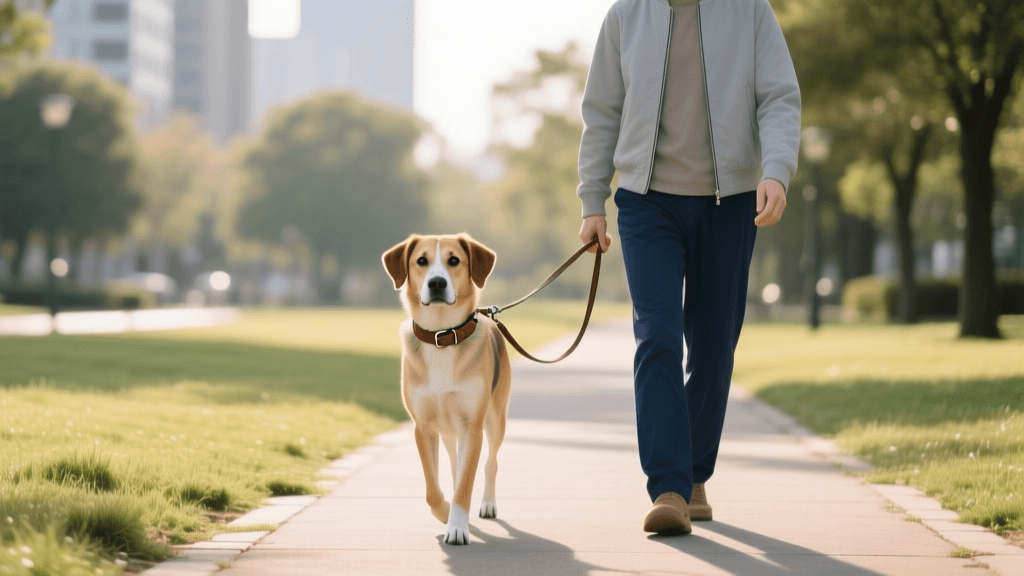
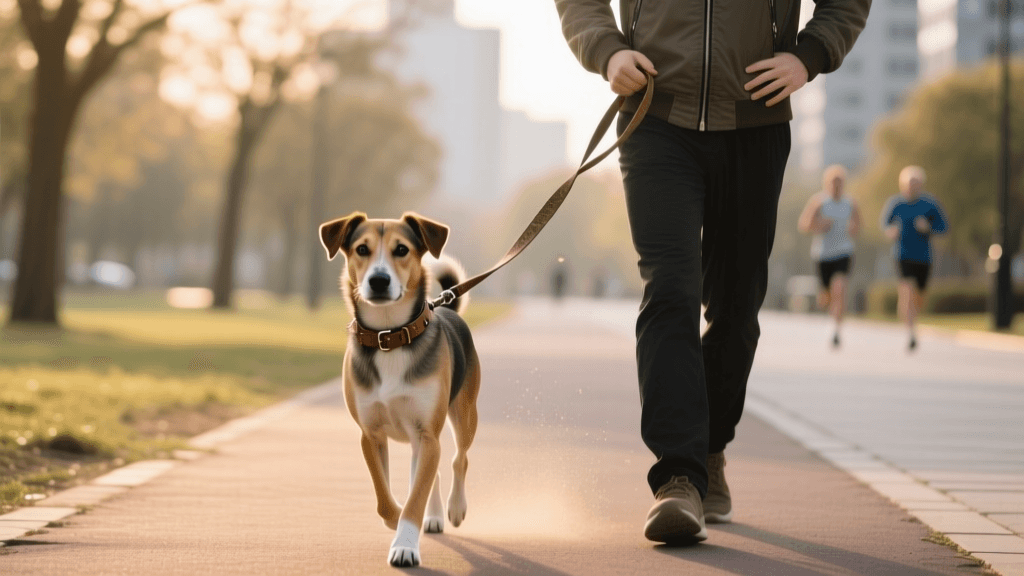
- Trotting on a Leash: A brisk, controlled trot on a flat surface engages the core and increases synovial fluid production without impact.
2. Strategic Cool-Downs
After a rigorous session on the course, do not simply put your dog back in their crate. A 10-minute slow walk helps flush lactic acid from the muscles. For high-drive dogs that run hot, applying canine-specific cooling coats or ice packs to the carpal joints and shoulders can drastically reduce next-day stiffness.
3. Supplement Timing and Consistency
Joint supplements are not like pre-workout stimulants; they do not provide an immediate effect. They require a loading dose period (usually 4 to 6 weeks) followed by a daily maintenance dose. Administer the supplement with your dog's largest meal to maximize the absorption of fat-soluble ingredients like Omega-3s and ASU. Missing days will disrupt the cumulative anti-inflammatory benefits, leading to inconsistent training performance.
Modifying Training for Aging or Joint-Compromised Dogs
As your dog transitions from their prime competitive years into their senior stage, your training goals must evolve. If you are utilizing a robust supplement like GlycoFlex Stage III, you can still enjoy agility and advanced obedience, but modifications are necessary to protect their longevity.
- Lower Jump Heights: Drop jump bars by 4 to 8 inches. The thrill of agility for the dog comes from the mental puzzle and the bond with the handler, not the absolute height of the jump.
- Widen Weave Pole Entries: Tight, high-speed entries place severe torque on the cervical spine and shoulders. Practice straight-on, controlled entries.
- Shorter, High-Reward Sessions: Limit course runs to 3-5 minutes. End the session while the dog is still eager and physically fresh, preventing the sloppy form that occurs when fatigue sets in.
- Alternative Surfaces: Avoid training on concrete or slippery indoor floors. Stick to well-maintained grass or specialized agility matting that provides adequate traction and shock absorption.
Recognizing the Signs of Joint Fatigue During Training
As a handler, you must become an expert in reading your dog's micro-expressions and body language. Because dogs are highly motivated to please their handlers and earn rewards, they will often work through pain. Stop training immediately and consult a veterinary sports medicine specialist if you notice:
- Hesitation at the base of the A-frame or dog walk.
- Knocking jump bars that the dog previously cleared with ease.
- A 'bunny hop' gait when trotting away from the start line.
- Reluctance to sit squarely or kick out a hind leg when sitting.
- Decreased enthusiasm for the toy or food reward at the end of a run.
Conclusion: A Holistic Approach to Canine Athletics
Agility and advanced obedience training are incredible ways to bond with your dog, but they demand a proactive approach to physical maintenance. In 2026, the most successful handlers are those who view joint supplements not as a last resort for injured dogs, but as a daily, essential component of their training toolkit. By combining premium, veterinary-approved supplements like Dasuquin Advanced or Cosequin DS with meticulous warm-up routines and empathetic training modifications, you ensure that your canine athlete remains happy, healthy, and ready to tackle the next course for years to come.
anouk-beaumont
All our authors care for dogs every day — read more of their work on the authors page.