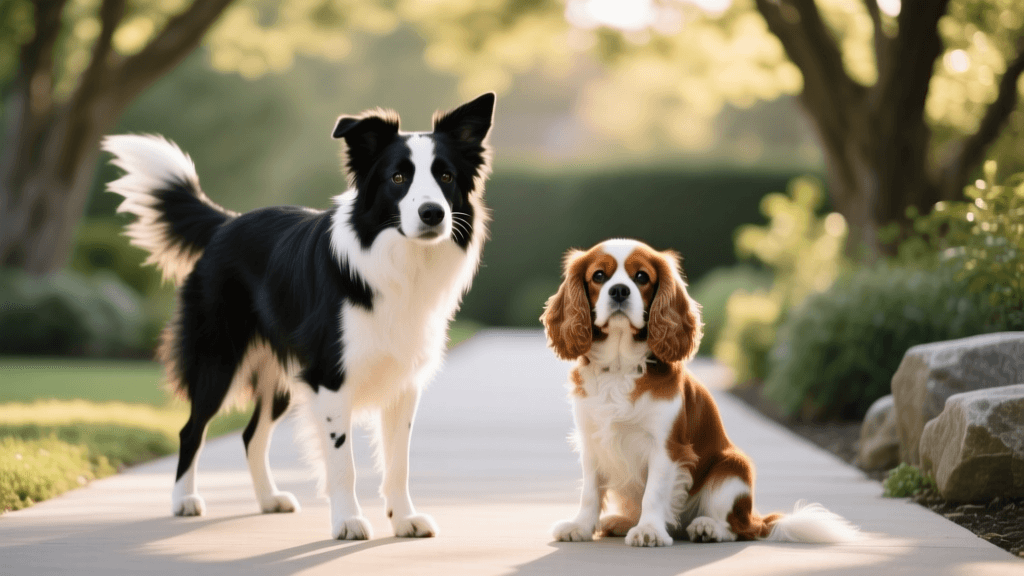
Avoid These 5 Mistakes When Reading Dog Body Language
Discover 5 common mistakes owners make when reading dog body language and calming signals. Learn actionable tips to reduce stress and prevent bites.
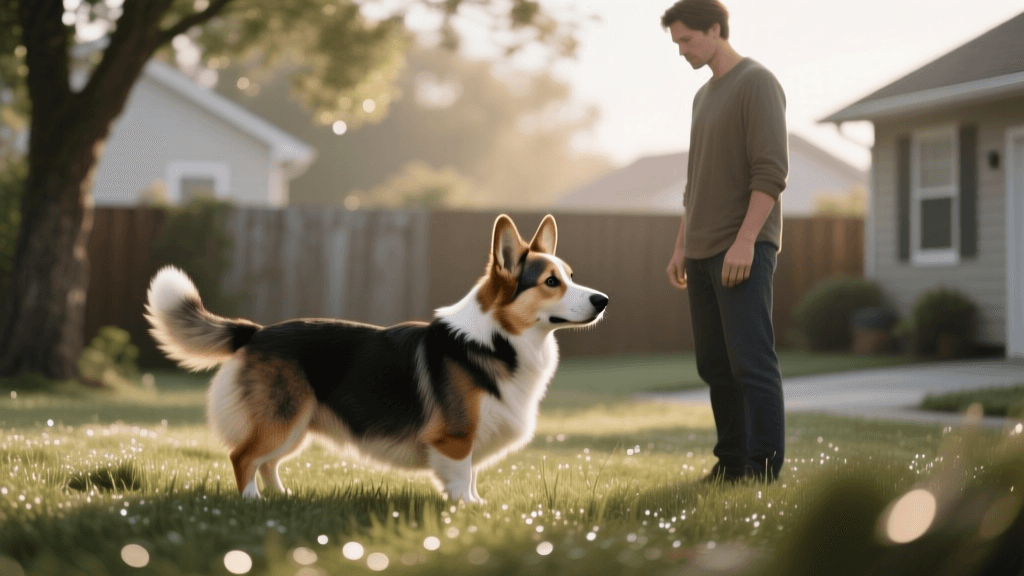
Understanding Canine Communication: Beyond the Human Lens
Dogs are masters of non-verbal communication. While humans rely heavily on spoken words and facial expressions, our canine companions navigate the world through a complex matrix of postures, ear positions, tail movements, and subtle muscular tensions. Norwegian dog trainer and behaviorist Turid Rugaas famously coined the term "calming signals" to describe the dozens of ways dogs communicate stress, defuse tension, and maintain social harmony. Unfortunately, because we are a vocal species, we frequently project our own emotional frameworks onto our dogs. This anthropomorphism leads to profound misunderstandings.
According to the ASPCA's guide on Canine Body Language, misinterpreting these subtle signals is a leading cause of behavioral deterioration, chronic stress, and dog bites. When we ignore a dog's plea for space or misread their anxiety as joy, we inadvertently push them past their threshold. By recognizing and correcting common errors in how we read our dogs, we can build deeper trust, improve their psychological well-being, and create a safer environment for everyone. Below are five critical mistakes to avoid when reading your dog's body language, along with actionable, practical steps to improve your communication.
Mistake 1: The Tail Wag Fallacy
Perhaps the most pervasive myth in dog ownership is that a wagging tail automatically equals a happy dog. In reality, a tail wag simply indicates arousal or emotional stimulation, which can range from pure joy to intense aggression. According to the American Kennel Club, the height, speed, and stiffness of the wag are far more important than the mere presence of movement.
The Reality of the "Flagging" Tail
A high, stiff, rapid wag (often called "flagging") indicates high arousal, alertness, or a potential threat. The dog is assessing a situation and is primed to react. Conversely, a loose, sweeping wag that involves the dog's entire rear end (the "helicopter wag") is a genuine indicator of joy and relaxation.
Actionable Advice
- Observe the Base: Look at the base of the tail where it meets the spine. If the base is stiff and elevated, the dog is not relaxed, regardless of how fast the tip is moving.
- Use a Long Line for Decompression: Leash tension can artificially stiffen a dog's posture and trigger reactivity. Invest in a 15-foot Biothane long lead (Cost: $25-$45; Brands: Primal Pet Gear or Signature K9). Biothane is waterproof, easy to clean, and provides a smooth glide, allowing your dog to express natural, tension-free body language on decompression walks.
Mistake 2: Punishing the "Guilty" Look
We have all seen the viral videos of dogs looking "guilty" next to a destroyed trash can or a chewed-up shoe. Owners often interpret the lowered head, tucked tail, flattened ears, and averted gaze as an admission of wrongdoing. However, canine behaviorists have repeatedly proven that dogs do not experience guilt in the human sense.
Appeasement vs. Guilt
The "guilty look" is actually a cluster of appeasement signals. The dog is reacting to your angry tone of voice, tense body language, or the presence of a destroyed item, and they are displaying submissive postures to say, "I see you are upset, please do not harm me." Punishing a dog for these signals suppresses their warning system, teaching them that communicating discomfort results in punishment, which can lead to a dog that bites without warning.
Actionable Advice
- Manage the Environment: Stop relying on scolding and start relying on management. If your dog gets into the trash, purchase a 36-inch tall, hardware-mounted baby gate (Cost: $40-$70) to block kitchen access when you are not home.
- Interrupt, Don't Intimidate: If you catch them in the act, use a neutral interrupter cue like "Oops!" and redirect them to an appropriate chew toy, such as a Kong Classic stuffed with frozen peanut butter.
Mistake 3: Ignoring Displacement Behaviors
Displacement behaviors are actions a dog performs out of context when they are experiencing internal conflict or stress. Common examples include yawning when they are not tired, sudden intense scratching, sniffing the ground intently, or rapid lip licking. Owners often dismiss these as quirky habits or assume the dog is simply tired or hungry.
The Science of Displacement
When a dog is unsure of how to react to a stressor (like a stranger approaching too quickly or a loud noise), their brain experiences a conflict between fight and flight. Displacement behaviors are a coping mechanism to release that pent-up neurological tension. Ignoring these early warnings forces the dog to escalate to more severe signals, like growling or snapping.
Actionable Advice
- The 3-Second Rule: If your dog yawns or licks their lips when a stranger approaches, you have roughly 3 seconds to advocate for them. Step between your dog and the stranger, or calmly walk away to increase distance.
- Precise Reward Timing: When your dog voluntarily disengages from a stressor and looks at you, reward them within 0.5 to 1 second. Use high-value, single-ingredient treats like freeze-dried beef liver (Cost: $15-$20 for 4oz; Brands: Stella & Chewy's or K9 Natural) to create a strong positive emotional response.
"A dog that yawns or licks its lips in a stressful situation is asking for space, not a nap. Respecting these early signals is the key to preventing behavioral escalation."
Mistake 4: Forcing Interaction During a "Freeze"
When a dog is being petted by a stranger or handled by a veterinarian, they will sometimes go completely still. Many owners interpret this freezing as the dog "being good" or "tolerating" the interaction. In reality, the freeze response is a critical survival mechanism and often the last warning sign before a bite.
The Physiology of the Freeze
When the nervous system is overwhelmed and the dog feels trapped (often because they are on a short leash or being held), they will freeze. Their muscles become rigid, their breathing may become shallow, and they may exhibit "whale eye" (showing the whites of their eyes). The Humane Society of the United States emphasizes that a still dog is not necessarily a calm dog; they are simply calculating their next move.
Actionable Advice
- The Pet Consent Test: When someone wants to pet your dog, ask them to pet the dog's chest or shoulder for exactly 3 seconds, then stop and pull their hand away. If the dog leans in, nudges the hand, or paw-taps, they are consenting to more. If the dog stays still, turns away, or shakes off, the interaction must end immediately.
- Advocate Firmly: Do not be afraid to tell strangers, "My dog is in training and needs space today." Your primary job is to protect your dog's boundaries.
Mistake 5: Misinterpreting the "Shake-Off" and Zoomies
After a stressful encounter, a veterinary visit, or an intense play session, a dog will often perform a vigorous full-body shake, as if they are wet. Furthermore, owners often mistake stress-induced "zoomies" (Frenetic Random Activity Periods, or FRAPs) for pure happiness.
Resetting the Nervous System
The shake-off is a physiological mechanism used to burn off adrenaline and cortisol, effectively "resetting" the nervous system. Similarly, while zoomies can be playful, they frequently occur when a dog is overstimulated, overtired, or trying to escape a feeling of stress. Restraining a dog during a shake-off or trying to forcefully calm a stressed dog during zoomies can compound their anxiety.
Actionable Advice
- Allow the Reset: When your dog shakes off, give them 10 to 15 seconds of slack on the leash. Do not pull them forward or ask for obedience cues during the shake.
- Decompression Walks: If your dog exhibits stress zoomies or frequent shake-offs, they need lower-stimulation environments. Schedule 20 to 45-minute decompression walks in low-traffic, nature-heavy areas (like empty fields or quiet woods) using your 15-foot long lead to allow them to sniff and process their environment at their own pace.
Quick Reference: Stress Signals vs. Misinterpretations
Use the table below as a quick reference guide to ensure you are accurately reading your dog's emotional state in real-time.
| Canine Signal | Common Misinterpretation | Correct Interpretation | Actionable Response |
|---|---|---|---|
| High, Stiff Tail Wag | "He is so happy and excited!" | High arousal, alertness, or potential threat. | Increase distance, do not allow strangers to approach. |
| Lip Licking / Tongue Flicks | "He is hungry or thirsty." | Stress, anxiety, or appeasement (displacement). | Remove the stressor, offer space, and reward disengagement. |
| Yawning (Out of Context) | "He is sleepy or bored." | Calming signal, internal conflict, or stress. | End the training session or move away from the trigger. |
| Whale Eye (Half-Moon Eye) | "He is just looking away." | Fear, guarding, or anticipation of a threat. | Stop what you are doing immediately and give the dog an exit route. |
| Sudden Sniffing | "He found an interesting smell." | Avoidance behavior and displacement. | Do not force eye contact; allow the dog to decompress. |
Conclusion: Becoming a Better Listener
Understanding your dog's body language is not a one-time lesson; it is an ongoing practice of observation, empathy, and advocacy. By avoiding these five common mistakes, you transition from being a dictatorial owner to a supportive partner. You learn to listen to the whispers of stress before they become the shouts of reactivity. Invest in the right tools, respect their boundaries, and always prioritize their emotional comfort over social expectations. When you learn to speak your dog's silent language, you unlock a profound level of mutual trust that will transform your relationship for a lifetime.
beth-carrasco
All our authors care for dogs every day — read more of their work on the authors page.