Clicker vs Marker Word: Side-by-Side Dog Training Comparison
Compare clicker training and verbal marker words for dogs. Discover the pros, cons, costs, and effectiveness of each conditioning method.

Introduction to Marker-Based Dog Training
When diving into the world of canine behavioral conditioning, you will quickly encounter the concept of a "marker signal." Rooted in the science of operant conditioning, a marker is a precise stimulus that tells your dog the exact moment they have performed a desired behavior, promising a reward is coming. It acts as a bridge between the action and the reinforcement. Without a marker, dogs can struggle to understand exactly which part of their behavior earned the treat, leading to confusion and slower learning curves.
While the underlying psychology remains identical, trainers generally divide into two camps regarding the tool used to deliver this signal: mechanical clicker training and verbal marker word training. Both methods are highly effective when applied correctly, but they offer distinct advantages, limitations, and use cases. In this comprehensive side-by-side comparison, we will break down the mechanics, costs, and practical applications of each method to help you decide which is best for your dog's unique learning style.
What is Clicker Training?
Clicker training utilizes a small mechanical device that emits a sharp, consistent "click" sound. Originally popularized by marine mammal trainers and later adapted for dogs by pioneers like Karen Pryor, the clicker provides an acoustic signal that is entirely unique to the training environment. Because the sound is mechanically generated, it never changes in pitch, volume, or emotional tone, making it an incredibly precise bridge stimulus. According to the foundational resources at Karen Pryor Clicker Training, the uniqueness of the sound allows the canine brain to process and register the marker faster than human speech.
What is Verbal Marker Training?
Verbal marker training replaces the mechanical device with a specific spoken word, most commonly "Yes!" or "Good!". The trainer uses a consistent, upbeat tone of voice to mark the desired behavior. This method relies on the dog's ability to associate a specific human vocalization with an incoming reward. The American Kennel Club notes that verbal markers are highly versatile and allow trainers to maintain fluid communication with their dogs without needing to hold an extra piece of equipment.
Side-by-Side Comparison: Clicker vs. Marker Word
To visualize the differences between these two conditioning tools, refer to the comparison table below:
| Feature | Mechanical Clicker | Verbal Marker Word |
|---|---|---|
| Initial Cost | $2.00 - $15.00 | $0.00 (Free) |
| Precision & Consistency | Extremely High (Identical sound every time) | Moderate (Subject to human emotion and fatigue) |
| Hands-Free Capability | Low (Requires a free hand or target stick) | High (Always available) |
| Distance Effectiveness | High (Sound cuts through environmental noise) | Moderate (Can be lost in windy or loud areas) |
| Sound Sensitivity Risk | Moderate (Can startle timid or noise-phobic dogs) | Low (Can be softened to a whisper) |
| Best Training Phase | Acquisition (Teaching brand new behaviors) | Maintenance & Fluency (Polishing known cues) |
Detailed Breakdown: Pros and Cons
The Clicker Advantage
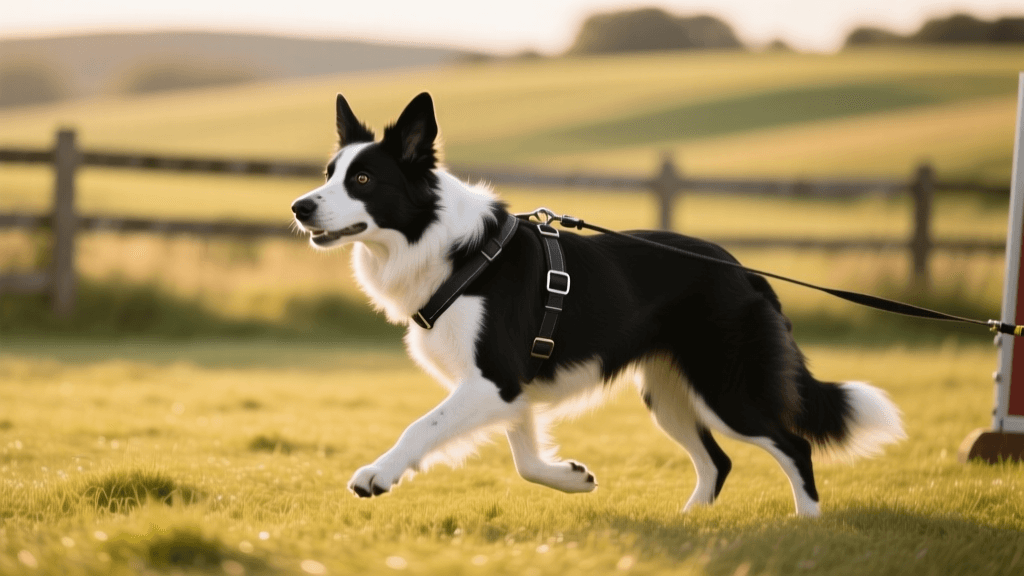
The primary benefit of the clicker is its surgical precision. When you are shaping a complex behavior—such as teaching a dog to close a door or weave through agility poles—you need to mark micro-movements that happen in a fraction of a second. The mechanical click is processed by the canine amygdala faster than spoken language. Furthermore, the clicker is devoid of human frustration. If you are having a bad day and your dog is struggling to learn, your voice might inadvertently carry a tone of annoyance. A clicker always sounds exactly the same, keeping the training session positive and objective.
The Drawbacks: The clicker requires logistics. You must manage the leash, the treat pouch, the dog, and the clicker simultaneously. Dropping the clicker mid-session can disrupt the flow of training. Additionally, some rescue dogs with trauma histories or severe noise sensitivities may find the sharp "crack" of a box clicker frightening, requiring a transition to a muted i-Click or a verbal marker.
The Verbal Marker Advantage
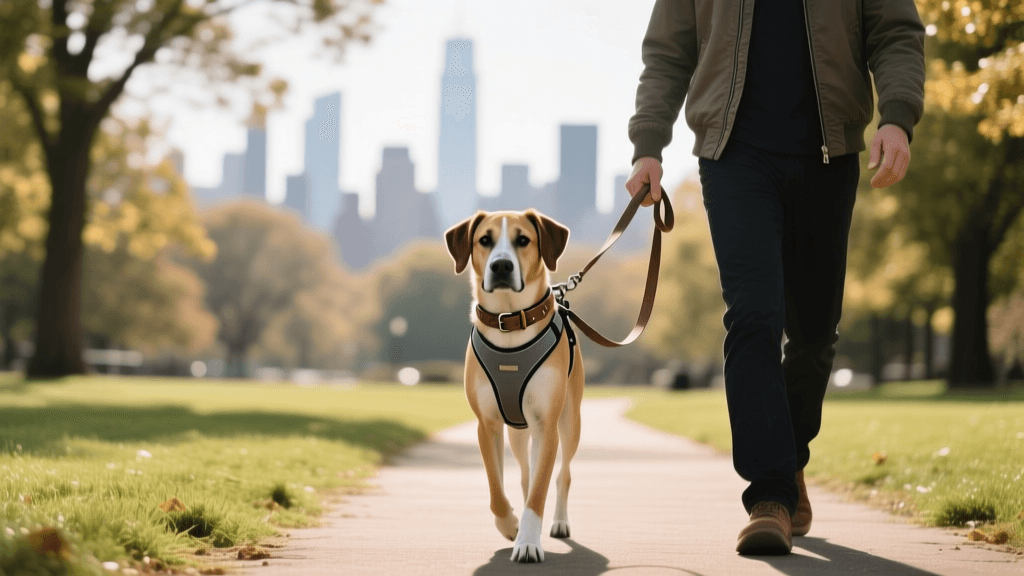
The greatest strength of the verbal marker is convenience and emotional connection. You never leave your house without your voice. If you are walking your dog and they spontaneously offer a beautiful loose-leash heel or a solid recall, you can instantly mark it with a cheerful "Yes!" without fumbling for a device in your pocket. Verbal markers also allow for "continuous marking," where a trainer can use a rolling, encouraging "Gooood, goooood" to keep a dog engaged during a long-duration behavior like a "Stay" or "Place" command.
The Drawbacks: Human inconsistency is the enemy of the verbal marker. We use the word "Yes" in everyday conversation. If your dog hears you say "Yes" on the phone without receiving a treat, the marker can become diluted. Furthermore, verbal markers are slightly slower to process than a mechanical click, which can result in marking the dog for sitting up *after* the down position you actually wanted to reward.
Scientific Backing and Canine Cognition
The efficacy of marker-based training is deeply rooted in the broader framework of positive reinforcement, which the ASPCA heavily advocates as the most humane and effective method for canine behavioral modification. Studies in animal cognition have shown that dogs are highly attuned to human vocalizations, but they are equally responsive to distinct, non-verbal acoustic signals. The bridge stimulus (whether a click or a word) triggers a dopamine release in the dog's brain, creating a state of anticipation that makes the actual delivery of the food reward even more reinforcing.
Step-by-Step Guide: Charging the Marker
Regardless of whether you choose a clicker or a verbal word, you must "charge" the marker before using it to train behaviors. This process creates the Pavlovian association between the sound and the reward.
- Step 1: Preparation. Gather 20-30 high-value, pea-sized treats (like boiled chicken or freeze-dried liver) and your chosen marker.
- Step 2: The Mark. In a quiet room, click the clicker OR say your chosen word ("Yes!") exactly once.
- Step 3: The Reward. Within 0.5 seconds, deliver a treat directly to the dog's mouth.
- Step 4: Repetition. Repeat this sequence 20 times. Do not ask the dog to sit or perform any tricks. The only goal is to teach the dog that the sound equals food.
- Step 5: The Test. Wait until the dog is looking away, then click or say "Yes!". If the dog immediately snaps their attention back to you expecting a treat, the marker is successfully charged.
Practical Scenarios: Which Tool Wins?
Scenario A: Teaching a Rapid Trick (e.g., "Spin")
Winner: Clicker. Luring a dog in a tight circle happens quickly. The mechanical click allows you to mark the exact millisecond the dog completes the 360-degree rotation before they wander off or sit down.
Scenario B: Distance Recall in a Park
Winner: Verbal Marker. When your dog is 50 yards away and turns to run back to you, shouting a bright, enthusiastic "YES!" carries emotional weight and encouragement that a distant, quiet click cannot match.
Scenario C: Shaping a "Place" Command
Winner: Tie. You can use a clicker to mark the exact moment the dog's paws touch the mat. Alternatively, you can use a continuous verbal marker ("Goooood... keep going... YES!") to encourage them to stay on the mat as you take a step back.
Common Mistakes to Avoid
"The marker is not a remote control to get your dog's attention; it is a camera shutter capturing a specific moment in time."
One of the most frequent errors novice trainers make is using the clicker or the word "Yes" to get their dog to look at them. If you say your dog's name and they don't respond, repeating "Yes! Yes! Yes!" will completely destroy the marker's value. The marker must only ever occur after the dog has offered a desired behavior. Another common mistake is "clicking for the treat"—moving your hand toward the treat pouch at the exact same time you click. The dog will begin watching your hands instead of listening for the marker, rendering the bridge stimulus useless.
Final Verdict: Which Should You Choose?
The choice between a mechanical clicker and a verbal marker word ultimately depends on your training goals, your dog's temperament, and your lifestyle. If you are embarking on an intensive trick-training journey, preparing for agility competitions, or working with a dog that requires surgical precision to understand complex shaping exercises, the mechanical clicker is an indispensable, low-cost investment. Its consistency and speed will accelerate your dog's acquisition phase significantly.
However, if you are focused on foundational obedience, loose-leash walking, and building a fluid, communicative relationship with your pet in everyday environments, a verbal marker word is incredibly effective and highly convenient. Many professional dog trainers actually utilize both: they use the clicker in the quiet of the living room to teach a brand-new concept, and then transition to a verbal marker once the behavior is fluent and ready to be tested in the distracting real world. By understanding the unique mechanics of both tools, you can tailor your training approach to unlock your dog's full cognitive potential.
marcus-aldridge
All our authors care for dogs every day — read more of their work on the authors page.