Chronic Dog Ear Infections: Diagnosis and Treatment
Discover the root causes of chronic dog ear infections. Learn how to diagnose otitis externa and explore effective treatment solutions and costs.
The Hidden Agony of Canine Otitis Externa
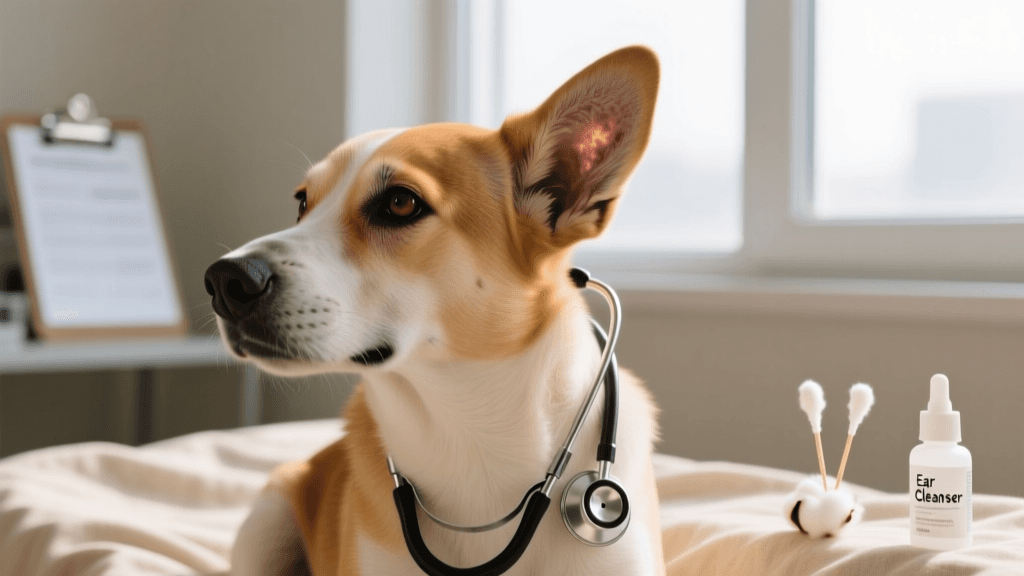
For many dog owners, the familiar sound of a dog aggressively shaking its head or the sight of them frantically scratching at their ears is a source of deep frustration and empathy. Chronic ear infections, clinically known as recurrent otitis externa, represent one of the most common and challenging conditions seen in veterinary medicine. Unlike a simple human earache, canine ear infections are rarely isolated incidents. They are typically a secondary symptom of a deeper, underlying health issue. When left improperly diagnosed or treated with generic, over-the-counter remedies, these infections can lead to severe pain, permanent hearing loss, and the need for invasive surgical interventions like a total ear canal ablation (TECA). Understanding the precise mechanics of diagnosis and implementing targeted, long-term solutions is critical for restoring your dog's quality of life.
Understanding the Anatomy: Why Dogs Are Prone to Ear Issues
To effectively diagnose and treat ear infections, one must first understand the unique anatomy of the canine ear canal. Unlike the human ear canal, which is relatively short and straight, a dog's ear canal is distinctly L-shaped. It consists of a vertical canal that drops downward and a horizontal canal that turns sharply inward toward the eardrum. This anatomical structure creates a dark, warm, and poorly ventilated environment that is highly conducive to the overgrowth of microorganisms. Furthermore, breeds with pendulous (floppy) ears, such as Cocker Spaniels, Basset Hounds, and Golden Retrievers, have an additional layer of tissue trapping heat and moisture, drastically increasing their susceptibility to chronic infections. According to the Merck Veterinary Manual, this structural predisposition means that any excess moisture from swimming, bathing, or environmental humidity can quickly disrupt the ear's natural microbiome.
Diagnosing the Root Cause: Primary vs. Secondary Factors
A fundamental mistake many owners make is treating the ear infection as the primary disease. In reality, the bacteria or yeast present in the ear are almost always secondary invaders taking advantage of an inflamed environment. True diagnosis requires identifying the primary underlying cause. The most common primary causes include:
- Environmental Allergies (Atopic Dermatitis): Pollen, dust mites, and mold cause systemic inflammation that manifests heavily in the ear canals.
- Adverse Food Reactions (Food Allergies): Proteins such as chicken, beef, or dairy can trigger severe inflammatory responses in the ear tissue.
- Foreign Bodies: Foxtails, grass awns, or debris lodged deep in the horizontal canal.
- Parasites: Ear mites (Otodectes cynotis), though more common in puppies, can trigger severe secondary infections in adults.
- Endocrine Disorders: Hypothyroidism or Cushing's disease can alter the skin barrier and immune response in the ear canal.
Recognizing the Clinical Signs
Before a veterinary visit, owners should document the specific symptoms. The American Kennel Club notes that early intervention relies on recognizing the following signs: excessive head shaking, pawing at the ears, a distinct yeasty or foul odor, redness and swelling of the pinna (ear flap), brown or yellowish discharge, and behavioral changes indicating pain, such as snapping when the head is touched.
The Veterinary Diagnostic Process
When you bring your dog to the clinic, a comprehensive diagnostic workup is essential. A visual inspection is not enough. The veterinarian will typically perform three critical steps to formulate a targeted treatment plan:
1. Otoscopy: Using an illuminated magnifying instrument, the vet will examine the entire length of the ear canal to check for foreign bodies, polyps, tumors, and the integrity of the tympanic membrane (eardrum). If the eardrum is ruptured, certain cleaning solutions and topical antibiotics become strictly contraindicated, as they can cause irreversible deafness or neurological damage.
2. Cytology: A swab of the ear discharge is rolled onto a glass slide, stained, and examined under a microscope. This step is non-negotiable. It tells the vet exactly which organisms are present—typically Malassezia (yeast), Staphylococcus (Gram-positive bacteria), or Pseudomonas (Gram-negative bacteria). Treating a yeast infection with an antibacterial medication is entirely ineffective and promotes antimicrobial resistance.
3. Culture and Susceptibility Testing: If cytology reveals Pseudomonas or if the infection has failed previous treatments, a sample is sent to a laboratory. Veterinary experts at Texas A&M University emphasize that Pseudomonas aeruginosa is notorious for forming thick biofilms and harboring natural resistance to many common antibiotics. A culture identifies exactly which specialized antibiotic will effectively eradicate the specific bacterial strain.
Targeted Treatment Solutions: Breaking the Infection Cycle
Effective treatment requires a dual approach: mechanically cleaning the ear to remove debris and biofilms, followed by the application of targeted medical therapy.
Step 1: Ear Cleaning and Biofilm Disruption
Medications cannot penetrate a layer of pus, wax, and bacterial biofilm. Cleaning is a mandatory first step. For standard maintenance and yeast overgrowth, a non-irritating, drying cleaner like Virbac Epi-Otic Advanced (approx. $22 for 4 oz) is highly recommended. It contains salicylic acid to gently exfoliate the canal lining and dries out excess moisture. However, if Pseudomonas is suspected, a cleaner containing TrizEDTA, such as Dechra TrizEDTA (approx. $35 for 4 oz), is required. TrizEDTA acts as a biofilm disruptor, breaking down the protective slime layer of the bacteria and making them up to 100 times more susceptible to topical antibiotics.
Step 2: Medical Therapy
Once the canal is clean, medication is applied. Modern veterinary medicine has moved away from messy, twice-daily drops that often lead to owner non-compliance and missed doses. Long-acting transdermal gels and ointments are now the gold standard:
- Claro (Elanco): A single-dose otic gel applied by the veterinarian in the clinic. It contains an antibacterial, an antifungal, and a potent steroid to reduce inflammation. It forms a matrix that slowly releases medication over 30 days. Cost: $90 - $130 per application.
- Osurnia (Elanco): Similar to Claro, this is a long-acting gel applied in-clinic, usually requiring two doses spaced one week apart. It is highly effective against yeast and susceptible bacteria. Cost: $70 - $100 per tube.
- Mometamax Ultra (Intervet): A daily drop prescribed for 7 to 14 days, highly effective for mixed yeast and bacterial infections. Cost: $40 - $60 per bottle.
Comparison Chart: Top Veterinary Ear Cleaners
| Product Name | Active Purpose | Best Used For | Approx. Cost |
|---|---|---|---|
| Virbac Epi-Otic Advanced | Drying, mild keratolytic | Routine cleaning, yeast-prone ears, post-swim drying | $22 - $28 |
| Dechra TrizEDTA | Biofilm disruption, antibacterial synergist | Pseudomonas infections, chronic resistant bacteria | $32 - $40 |
| Douxo Micellar (Sogeval) | Gentle cleansing, soothing | Highly inflamed, painful ears where harsh acids sting | $18 - $24 |
| Cerulytic (Vetoquinol) | Ceruminolytic (wax dissolving) | Heavy wax buildup, Cocker Spaniels, severe ceruminous gland hyperplasia | $25 - $30 |
Long-Term Management: Addressing the Underlying Allergies
If your dog requires treatment for ear infections more than twice a year, you are dealing with chronic otitis, and the focus must shift to allergy management. Treating the ear without treating the immune system is a temporary fix. Modern dermatological solutions have revolutionized long-term care:
- Apoquel (Oclacitinib): A daily oral tablet that specifically targets the itch and inflammation pathways associated with allergic dermatitis. It provides rapid relief, often stopping the head-shaking within 24 hours.
- Cytopoint (Lokivetmab): A biological injection administered by your vet every 4 to 8 weeks. It utilizes monoclonal antibodies to neutralize interleukin-31 (IL-31), a key protein that sends itch signals to the brain.
- Prescription Hydrolyzed Diets: If a food allergy is suspected, a strict 8-to-12-week diet trial using a hydrolyzed protein diet (such as Royal Canin HP or Hill's Prescription Diet z/d) is the only reliable diagnostic tool. In these diets, the protein molecules are broken down so small that the dog's immune system no longer recognizes them as allergens.
"Recurrent otitis externa is rarely just an ear problem; it is almost always a manifestation of an underlying systemic issue, most commonly canine atopic dermatitis or adverse food reactions. Until the skin barrier and immune response are managed, the ears will continue to suffer."
— Board-Certified Veterinary Dermatologist
Financial Breakdown: What to Expect
Managing chronic ear infections requires a financial commitment. An initial veterinary exam typically ranges from $75 to $150. Diagnostic cytology adds $40 to $80, while a bacterial culture and susceptibility panel can cost between $150 and $250. The long-acting medications like Claro or Osurnia range from $70 to $130 per treatment. While the upfront costs may seem steep, they are significantly more cost-effective than the thousands of dollars required for a TECA surgery when chronic infections lead to irreversible calcification of the ear canals.
Ultimately, solving the puzzle of chronic dog ear infections requires patience, precise veterinary diagnostics, and a commitment to long-term allergy management. By shifting the focus from simply fighting the secondary bacteria to managing the primary inflammatory triggers, you can provide your dog with lasting comfort and a life free from the agony of chronic otitis.
jonas-cole
All our authors care for dogs every day — read more of their work on the authors page.