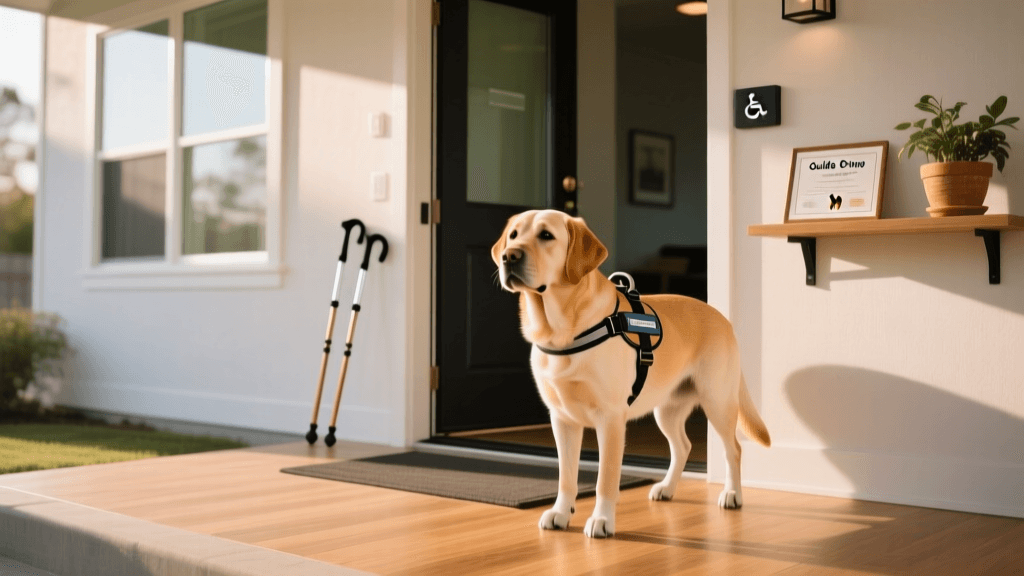
Top Mobility Assistance Dog Breeds & Prep for 2026
Discover the best mobility assistance dog breeds for 2026, home preparation tips, and the application process to find your perfect working companion.
The Role of Mobility Assistance Dogs in 2026
Getting a mobility assistance dog is a profound, life-altering decision that bridges the gap between physical limitations and daily independence. Unlike emotional support animals, mobility assistance dogs are highly trained service animals capable of performing specific physical tasks. These tasks range from bracing to help a handler stand, pulling a manual wheelchair, opening heavy doors, and retrieving dropped items. As of 2026, advancements in canine training methodologies and veterinary orthopedics have significantly improved the working lifespan and overall well-being of these remarkable dogs.
However, bringing a working mobility dog into your life requires meticulous planning. From selecting the right breed to modifying your living space, the preparation phase is just as critical as the training itself. This comprehensive guide will walk you through the essential steps of getting a mobility assistance dog, ensuring both you and your future canine partner are set up for long-term success.
Physical Requirements for Bracing and Pulling
Not every dog is physically capable of performing mobility tasks. To safely perform 'bracing'—where the dog bears a portion of the handler's weight to assist with standing or maintaining balance—the dog must meet strict anatomical criteria. According to Assistance Dogs International (ADI), a dog must be fully grown, possess a robust skeletal structure, and meet minimum height and weight requirements before engaging in weight-bearing tasks.
Generally, a mobility dog must be at least 22 inches tall at the shoulder and weigh a minimum of 55 pounds to safely brace. For wheelchair pulling, the dog must weigh at least 30% of the handler's body weight or the combined weight of the handler and the chair, depending on the terrain and equipment used. Prematurely asking a young or undersized dog to perform these tasks can lead to severe, irreversible joint damage. In 2026, top-tier training programs mandate that dogs are at least 24 months old and have passed rigorous orthopedic X-ray screenings before being cleared for mobility work.
Top Breeds for Mobility Assistance
When selecting a breed for mobility support, temperament, size, and trainability are paramount. The ideal mobility dog is eager to please, unfazed by loud noises, and possesses the physical stamina for a full day of work. Here are the top breeds utilized by accredited service dog organizations today:
| Breed | Average Adult Weight | Coat Maintenance | Primary Mobility Strengths |
|---|---|---|---|
| Labrador Retriever | 55 - 80 lbs | Low (Short coat) | Excellent bracing, high retrieve drive, adaptable to crowds |
| Golden Retriever | 55 - 75 lbs | Medium (Long coat) | Steady bracing, gentle retrieval, highly empathetic |
| Standard Poodle | 45 - 70 lbs | High (Requires clipping) | Allergy-friendly, intelligent, strong pulling capability |
| Bernese Mountain Dog | 70 - 115 lbs | High (Heavy shedding) | Superior weight-bearing bracing, cold-weather stamina |
| German Shepherd | 50 - 90 lbs | Medium (Dense coat) | High endurance, strong pulling, excellent spatial awareness |
While mixed breeds (often called 'Golden Doodles' or 'Labradoodles') are sometimes used, reputable programs prioritize predictable sizing and joint health, which is why purebred lines with extensive health testing remain the gold standard for mobility work in 2026.
Preparing Your Home for a Mobility Dog
Before your service dog arrives, your home must be optimized to protect their physical health and facilitate their training. Working dogs are canine athletes, and their home environment must support their recovery and safety.
1. Flooring and Traction
Slippery hardwood, tile, or laminate floors are a major hazard for large breed dogs, potentially leading to hip dysplasia exacerbation or cruciate ligament tears. Invest in high-traction, non-slip area rugs or interlocking foam mats for the pathways your dog will use most frequently. If modifying your flooring entirely, consider textured luxury vinyl plank (LVP) designed with high slip-resistance ratings.
2. Orthopedic Resting Zones
A mobility dog's joints endure immense stress. Providing a supportive resting area is non-negotiable. The Canine Companions organization highly recommends elevated, orthopedic beds that do not flatten over time. Brands like Big Barker offer 10-year guaranteed orthopedic foam beds specifically designed for large working breeds, ensuring the dog's spine and hips remain aligned during rest.
3. Accessibility Modifications
Consider how your dog will navigate your home. If you have steps leading to your porch or entryway, install a sturdy, non-slip dog ramp. Ensure that door handles are accessible; lever-style handles are much easier for a service dog to operate with a specialized pulling strap compared to traditional round doorknobs.
Essential Gear for Mobility Tasks
Proper equipment is vital for the safety of both the handler and the dog. In 2026, custom-fitted gear is the standard to prevent chafing and skeletal misalignment.
- Mobility Harness: A custom-molded leather or padded nylon harness with a rigid handle is required for bracing. Brands like Walkin' Pets and Custom Service Dog Gear engineer harnesses that distribute weight evenly across the dog's chest and shoulders, avoiding pressure on the spine.
- Pulling Harness: For wheelchair pulling, a specialized 'X-back' or 'H-back' pulling harness is used, often attached to a springer or a bungee leash system to absorb shock and prevent sudden jerking motions.
- Joint Supplements: Veterinary orthopedic specialists routinely recommend daily joint support for working dogs. Look for supplements containing glucosamine, chondroitin, and MSM, such as Dasuquin Advanced, to maintain cartilage health throughout the dog's working career.
The Application and Matching Process
Getting a mobility assistance dog through an accredited program is a rigorous but rewarding process. Because the demand for highly trained mobility dogs continues to rise, waitlists in 2026 typically range from 12 to 24 months. Here is what you can expect:
- Medical Documentation: You will need a formal letter from your primary care physician or specialist detailing your physical limitations and explaining how a mobility dog will mitigate your disability.
- Program Selection: Always choose a program accredited by Assistance Dogs International (ADI). This ensures the school adheres to strict ethical, training, and veterinary standards.
- Interviews and Home Visits: Program representatives will conduct virtual and in-person interviews to assess your lifestyle, living situation, and ability to care for a large working dog.
- Handler Training: Once matched, you will undergo an intensive 2-to-3-week handler training camp. This teaches you how to maintain the dog's training, manage their health, and work together as a cohesive team in public settings.
While the cost to train a mobility dog exceeds $50,000, most non-profit organizations provide the dog at no upfront cost to the handler, relying on grants and fundraising. However, you must be prepared for the ongoing costs of high-quality food, veterinary care, and gear replacement.
Legal Protections and Public Access
It is crucial to understand the legal landscape surrounding service animals. Under the Americans with Disabilities Act (ADA), mobility assistance dogs are classified as service animals, granting them full public access rights. This means they are legally permitted to accompany you into restaurants, grocery stores, workplaces, and aircraft cabins.
As outlined in the official ADA Service Animal Guidelines, businesses may only ask two specific questions: (1) Is the dog a service animal required because of a disability? and (2) What work or task has the dog been trained to perform? They cannot demand medical documentation, require a special identification card, or ask for a demonstration of the task. Understanding these rights is essential for advocating for yourself and your working dog in public spaces.
Conclusion
Getting a mobility assistance dog in 2026 is a journey that requires patience, physical preparation, and a deep commitment to animal welfare. By carefully selecting the right breed, modifying your home for safety, and partnering with an ADI-accredited organization, you lay the foundation for a beautiful, empowering partnership. These incredible dogs do far more than perform tasks; they offer a renewed sense of freedom, confidence, and companionship that transforms lives every single day.
tom-renshaw
All our authors care for dogs every day — read more of their work on the authors page.