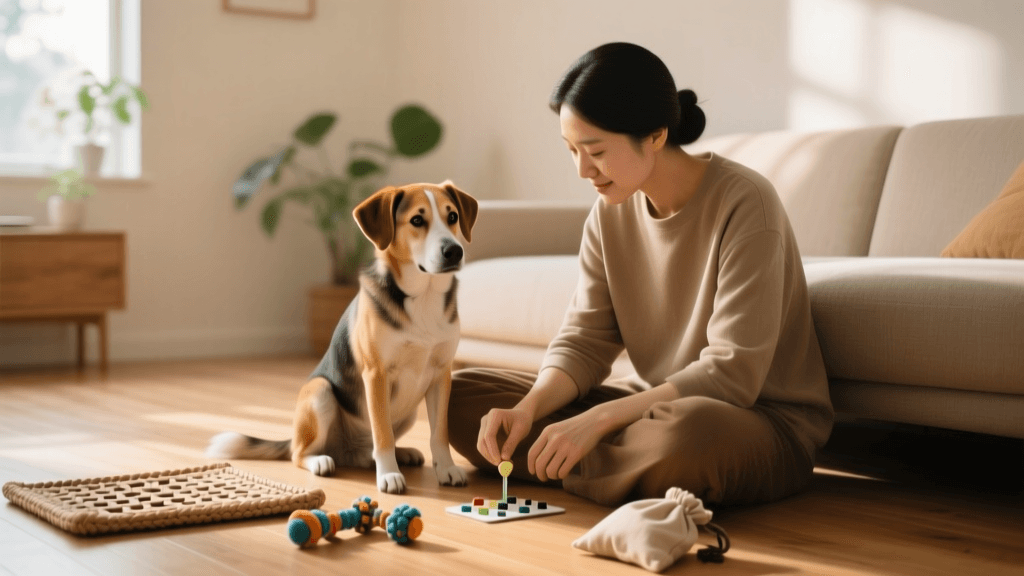
Rescue Dog Bonding 2026: The 3-3-3 Rule & Scent Games
Discover how to build trust with your newly adopted dog in 2026 using the 3-3-3 rule, cooperative care, and engaging scent work games.
The Foundation of Trust: Understanding the 3-3-3 Rule
Bringing a rescue dog into your home is one of the most rewarding decisions you can make, but it requires patience, empathy, and a strategic approach to relationship building. As we navigate 2026, veterinary behaviorists and animal welfare organizations continue to champion the '3-3-3 Rule' as the gold standard for rescue dog decompression. This framework helps new owners set realistic expectations and prevents the premature overwhelm that often leads to returned adoptions.
According to the ASPCA, understanding the psychological transition of a shelter dog is critical for long-term bonding. The 3-3-3 rule breaks down the adjustment period into three distinct phases:
- 3 Days of Decompression: Your dog may feel overwhelmed, scared, and unsure of their new surroundings. They might hide, refuse to eat, or sleep excessively. During this time, bonding means giving them space and not forcing interaction.
- 3 Weeks of Settling In: Your dog begins to learn your routine and let their guard down. Their true personality starts to emerge, and they may begin testing boundaries. Bonding here involves establishing predictable, positive routines.
- 3 Months of Attachment: By this milestone, your dog feels secure and realizes they are truly home. Trust is established, and a deep, mutual bond is solidified.
Forcing affection or overwhelming a dog with visitors during the first three days can severely damage the trust you are trying to build. Instead, focus on creating a safe sanctuary and utilizing low-pressure bonding activities like scent work.
Designing the 2026 Decompression Sanctuary
Before you even bring your new dog home, set up a dedicated decompression zone. This should be a quiet, low-traffic room or a securely gated area where your dog can retreat when they feel overstimulated. In 2026, modern canine enrichment tools make it easier than ever to create a calming environment that promotes positive associations with you as the provider of comfort.
Consider investing in the following sanctuary essentials:
- Adaptil Calm Home Pheromone Diffuser (Approx. $55): This synthetic dog-appeasing pheromone mimics the comforting scent of a nursing mother dog, significantly reducing cortisol levels in anxious rescues.
- Kuranda Chewproof Cot (Approx. $145): Elevated beds provide joint support and give dogs a secure vantage point to observe their environment without feeling trapped on the floor.
- LickiMat Soother (Approx. $15): Spreading plain pumpkin puree or low-sodium bone broth on a textured silicone mat encourages licking, a natural canine behavior that releases endorphins and promotes self-soothing.
By entering this space only to quietly drop high-value treats or gently refresh their LickiMat, you teach your dog that your presence predicts wonderful things, laying the groundwork for a trusting relationship without demanding physical contact.
The Science of Scent: Why Nose Work Builds Bonds
When it comes to bonding with a newly adopted dog, traditional obedience training can sometimes feel like a high-pressure test for a dog that is already stressed. Scent work, however, is universally celebrated by behaviorists as a low-stress, high-reward bonding activity. Dogs possess up to 300 million olfactory receptors in their noses, and the part of their brain devoted to analyzing odors is proportionally 40 times greater than ours.
The American Kennel Club (AKC) highlights that engaging a dog's natural hunting and foraging instincts through scent work not only provides immense mental stimulation but also builds profound confidence. When a dog successfully uses their nose to find a reward, their brain releases dopamine. Because you are the one setting up the game and providing the reward, your dog begins to associate you with joy, success, and dopamine release. It is a powerful, pressure-free way to say, 'We are a team.'
Level 1: The Muffin Tin Forage
Start simple. Take a standard 12-cup muffin tin and place a few smelly, high-value treats (like freeze-dried minnows or small pieces of boiled chicken) into random cups. Cover all the cups with tennis balls or crumpled paper. Encourage your dog to use their nose and paws to displace the covers and find the food. This builds confidence and teaches them that interacting with objects in your home yields positive results.
Level 2: The Wooly Snuffle Mat
Once your dog masters the muffin tin, upgrade to a dedicated snuffle mat. The Paw5 Wooly Snuffle Mat (retailing around $68 in 2026) remains a top choice among enrichment experts due to its dense, multi-layered fabric strips that perfectly mimic foraging in deep grass. Scatter your dog's daily kibble allowance across the mat. Sitting quietly on the floor nearby while they forage allows them to associate your calm presence with a highly rewarding, instinctual activity.
Level 3: Scent Article Hide-and-Seek
For the advanced bonding stage, introduce specific target scents. Using a cotton swab lightly scented with dog-safe birch or sweet almond oil, hide the swab in easy-to-reach places around a single room. When your dog sniffs the swab, mark the behavior with a gentle 'Yes!' and reward with a treat. This cooperative game requires you and your dog to communicate, drastically accelerating your mutual understanding and bond.
Cooperative Care: The Consent-Based Bonding Method
Another cornerstone of modern relationship building is cooperative care. Historically, owners would physically restrain dogs for grooming or handling, which often eroded trust, especially in rescue dogs with unknown trauma histories. In 2026, the Best Friends Animal Society and leading fear-free veterinarians strongly advocate for consent-based handling.
Teach your dog a 'chin rest' or a 'bucket target.' Hold out your hand or a target stick, and when your dog voluntarily rests their chin on it, reward them. This gives the dog a 'start button' for interactions. If they pull away, you stop. By giving your rescue dog the agency to choose whether or not to participate in handling, you build a profound level of psychological safety. A dog that knows they have a voice is a dog that will trust you completely.
30-Day Bonding Timeline and Milestones
To keep your expectations aligned with your dog's emotional needs, refer to this structured bonding timeline for the first month of adoption:
| Timeframe | Dog's Emotional State | Primary Bonding Activity | What to Avoid |
|---|---|---|---|
| Days 1-3 | Overwhelmed, fearful, shut down | Quiet companionship, LickiMat feeding, safe space setup | Forced cuddling, house tours, meeting neighbors |
| Days 4-14 | Curious, testing boundaries, anxious | Muffin tin foraging, short leash walks, establishing routine | Dog parks, off-leash time, loud gatherings |
| Days 15-21 | Settling in, showing true personality | Snuffle mat games, basic consent-based handling (chin rest) | Harsh corrections, overwhelming new environments |
| Days 22-30 | Relaxed, seeking engagement and play | Scent article hide-and-seek, gentle trick training, play | Assuming they are 'fully trained' or pushing too fast |
Critical Mistakes to Avoid in the First Month
Even with the best intentions, new owners can inadvertently sabotage the bonding process. Avoid the 'Honeymoon Syndrome' trap, where owners assume a quiet, shut-down dog is perfectly well-behaved, only to be shocked when the dog's true, energetic personality emerges in week three. Furthermore, avoid rushing socialization. While exposing puppies to the world is critical, adult rescue dogs need a 'socialization vacation' to decompress. Forcing a fearful rescue dog to interact with strangers or other dogs before they have bonded with you will only increase their anxiety and damage their trust in you as their protector.
Conclusion
Building a bond with a rescue dog is not a race; it is a journey of mutual discovery. By respecting the 3-3-3 rule, creating a 2026-standard decompression sanctuary, and utilizing the powerful, science-backed tools of scent work and cooperative care, you are setting the stage for a lifelong partnership. Give your new dog the grace of time, the joy of sniffing, and the power of choice, and you will earn the unwavering loyalty that only a rescue dog can provide.
marcus-aldridge
All our authors care for dogs every day — read more of their work on the authors page.