Choosing a Dog: The Science of Genetics vs Environment
Discover the science behind dog behavior. Learn how genetics and environment shape temperament to make the best breed or adoption choice for your lifestyle.
Introduction: Beyond the Breed Stereotypes
When embarking on the journey of getting a dog, prospective owners often rely on breed stereotypes to predict temperament. We assume Border Collies will naturally herd, Retrievers will be endlessly tolerant, and Terriers will be feisty. However, modern canine behavioral science is rewriting the rulebook on how we select our canine companions. At Paws-Tales, we believe that making an informed decision requires looking past marketing myths and diving into the peer-reviewed data. Understanding the interplay between canine genetics and environmental neuroplasticity is the most powerful tool you can use when choosing a dog.
The Great Breed Myth: What DNA Actually Dictates
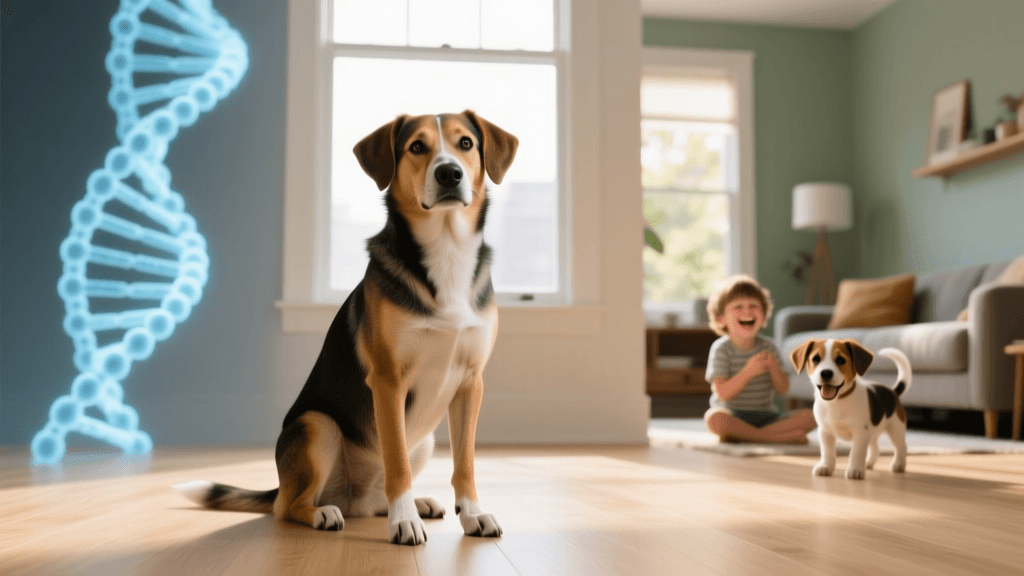
For decades, the purebred dog industry has operated on the premise that selective breeding for physical traits inherently packages specific behavioral guarantees. A landmark 2022 study published in the journal Science by researchers at UMass Chan Medical School and the Broad Institute shattered this assumption. By analyzing the DNA and behavioral surveys of over 18,000 dogs, the researchers discovered that a dog's breed explains only about 9% of its behavioral variation.
'Breed is a poor predictor of an individual dog's behavior. While certain traits like biddability or prey drive have some genetic heritability, traits like aggression or sociability are overwhelmingly shaped by environment and individual learning history.' — Dr. Elinor Karlsson, lead researcher of the Darwin's Ark project.
This scientific revelation is crucial for anyone in the process of getting a dog. It means that adopting a mixed-breed rescue from a shelter is not a 'behavioral gamble' compared to buying a purebred puppy from a breeder. While genetics do influence baseline drives (such as the motor patterns involved in pointing, retrieving, or herding), they do not hardwire personality. If you are adopting a mixed breed and want to understand their genetic lineage, investing in a canine DNA test like the Embark Breed + Health Kit (typically costing around $199) can provide insights into potential physical health risks and ancestral drives, even if it cannot predict their exact personality. As highlighted by Cornell University researchers involved in the study, focusing on the individual dog in front of you is far more scientifically sound than relying on breed labels.
The Critical Socialization Window: Neurology in Action
If genetics provide the rough sketch of a dog's neurological framework, the environment provides the color, shading, and final masterpiece. The most critical period for environmental influence is the primary socialization window, which neurologists and veterinary behaviorists agree occurs between 3 and 14 weeks of age. During this brief developmental phase, a puppy's brain is highly plastic, rapidly forming synaptic connections based on novel stimuli.
According to the American Society for the Prevention of Cruelty to Animals (ASPCA), puppies that are safely exposed to a wide variety of people, environments, surfaces, and sounds during this window are significantly less likely to develop fear-based behavioral issues later in life. Conversely, puppies isolated during this window often develop lifelong neophobia (fear of new things).
Timing Your Adoption
This neurological reality dictates a strict timeline for getting a dog. If you are acquiring a puppy, ethical breeders will not release the dog to you before 8 weeks of age. This means you have exactly six weeks (from week 8 to week 14) to capitalize on the remainder of the socialization window. You must budget time and money for structured puppy kindergarten classes (averaging $150 to $250 for a 6-week course) and daily, controlled exposure exercises.
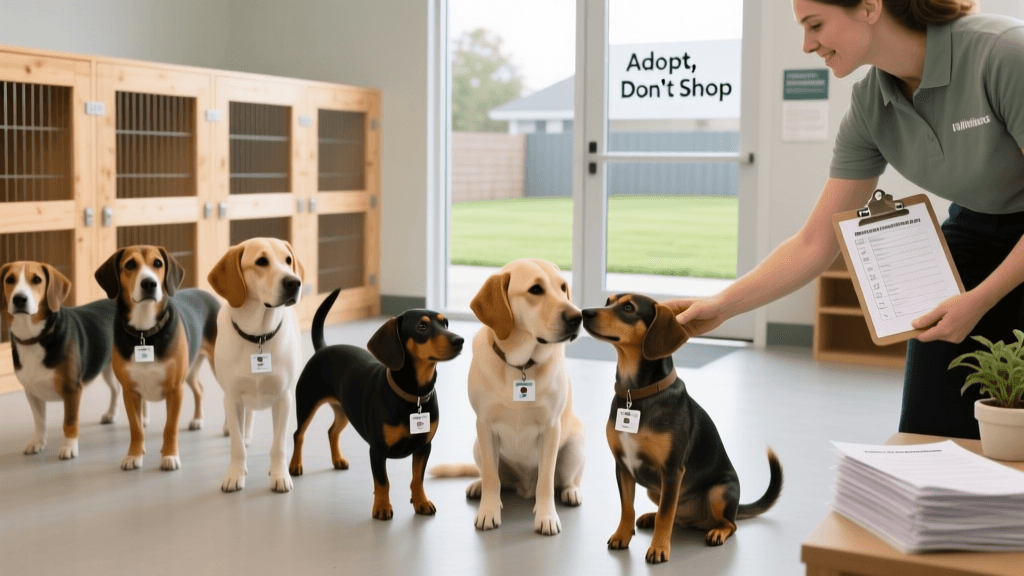
If you are adopting an adult dog from a shelter, their socialization window has long closed. Therefore, the environment they are currently in—and the environment they came from—will heavily dictate their immediate behavioral baseline. Science tells us that adult shelter dogs experiencing chronic kennel stress may exhibit 'shut down' or hyper-aroused behaviors that do not accurately reflect their true temperament in a home environment. This is why fostering, or adopting from a rescue that utilizes foster networks, provides a much more scientifically accurate assessment of an adult dog's behavior.
Data Table: Genetic Predispositions vs. Environmental Triggers
To help you evaluate potential dogs, refer to this science-backed breakdown of how innate drives interact with environmental factors.
| Behavioral Trait | Genetic Heritability Estimate | Primary Environmental Trigger | Actionable Mitigation for Owners |
|---|---|---|---|
| Prey Drive (Chasing) | Moderate to High | Movement of small animals, cars, or bikes | Implement impulse control training; use long-lines in unsecured areas; budget $50-$100 for flirt poles to redirect the drive safely. |
| Biddability (Trainability) | Moderate | Early positive reinforcement history; handler consistency | Use high-value treats (e.g., freeze-dried liver); keep training sessions under 5 minutes to prevent cognitive fatigue. |
| Stranger Sociability | Low | Quality and quantity of positive human interactions before 14 weeks | Host 'puppy parties'; invite diverse groups of people to interact gently with the puppy using treats. |
| Resource Guarding | Low | Scarcity mindset from early neglect or competitive litter environments | Practice 'trading up' games; never punish growling; consult a certified behaviorist ($250-$500) at the first sign of stiffening. |
Early Neurological Stimulation (ENS): A Breeder Science Checklist
If you have decided to purchase a purebred puppy, science provides a specific checklist to evaluate the breeder's early environmental protocols. The most rigorously studied protocol is Early Neurological Stimulation (ENS), originally developed by the U.S. Military for their Bio Sensor program. ENS involves five specific, mild stress exercises performed daily from day 3 to day 16 of a puppy's life. These exercises include thermal stimulation, tactile stimulation, and supine positioning.
Studies show that puppies subjected to ENS exhibit improved cardiovascular performance, stronger adrenal function, and greater resistance to disease and stress later in life. When interviewing breeders, explicitly ask: 'Do you implement the ENS protocol or Puppy Culture methods during the first three weeks?' If the answer is no, you are missing out on a scientifically proven method of optimizing your dog's neurological resilience.
Actionable Advice: Applying Science to Your Dog Search
1. Audit the Epigenetic Environment
Epigenetics shows us that a mother dog's stress levels during gestation can alter the cortisol receptors of her unborn puppies. When visiting a breeder, observe the dam (mother). Is she relaxed, well-socialized, and happy to see you? Or is she fearful and kenneled away? A fearful mother in a high-stress breeding facility can epigenetically prime her puppies for anxiety, regardless of their breed.
2. The 3-Day Decompression Rule for Rescues
When bringing home an adult rescue dog, behavioral science mandates a decompression period. The transition from a high-stress shelter to a quiet home causes a sudden drop in cortisol and adrenaline, which can lead to temporary lethargy or 'shutdown' behavior. Do not judge the dog's true personality for at least 72 hours. Keep the environment quiet, limit introductions to new people, and utilize a crate or a gated 'safe zone' measuring at least 4x4 feet to allow the dog's nervous system to recalibrate.
3. Budget for Preventative Behavioral Science
Just as you budget for veterinary care, you must budget for behavioral health. Allocate $300 to $500 in your first-year 'getting a dog' budget specifically for science-based, force-free behavioral consulting and group classes. Preventing fear-based reactivity through early, positive environmental conditioning is vastly more cost-effective than the $2,000+ it often costs to rehabilitate severe behavioral issues later in life.
Conclusion
Getting a dog is a profound commitment that bridges the gap between human emotion and canine biology. By discarding outdated breed stereotypes and embracing the science of behavioral genetics and neurological development, you set the stage for a harmonious relationship. Whether you are evaluating a breeder's ENS protocols, capitalizing on the 14-week socialization window, or giving a shelter dog the scientifically sound decompression period they need, your informed choices will ultimately shape the dog they are destined to become.
tom-renshaw
All our authors care for dogs every day — read more of their work on the authors page.