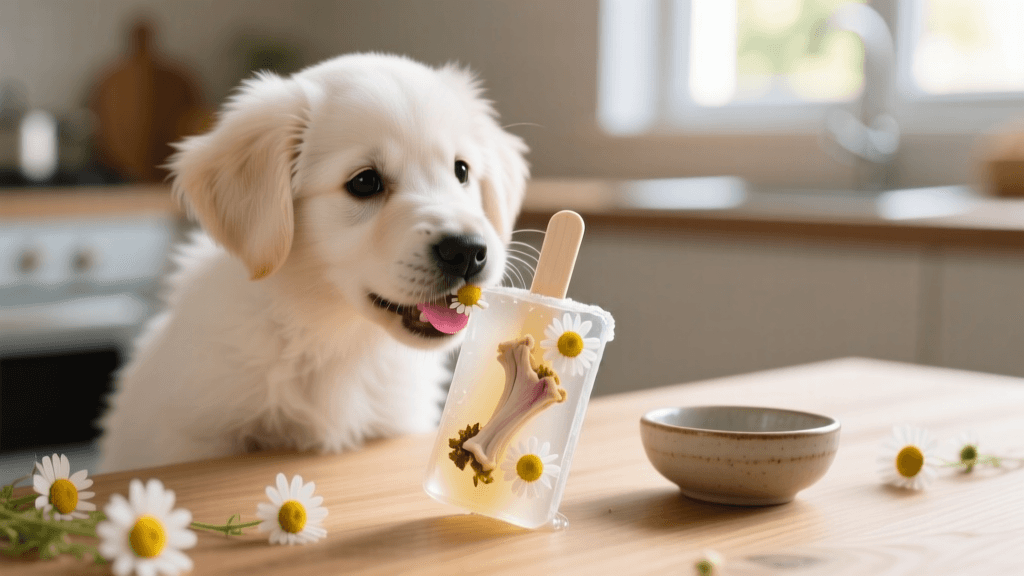
Holistic Puppy Teething Relief: DIY Bone Broth & Safe Herbs 2026
Discover natural puppy teething relief in 2026. Learn to make DIY frozen bone broth pops and use safe holistic herbs like chamomile for sore gums.
The Biology of Puppy Teething: What to Expect in 2026
The transition from a soft, milk-drinking pup to a teething, chewing machine is one of the most challenging phases of early dog ownership. As we navigate puppy care in 2026, holistic and natural approaches have become the gold standard for managing this uncomfortable developmental milestone. Puppies are born without teeth, but their 28 deciduous (baby) teeth begin erupting as early as three weeks of age. By the time your puppy is 12 to 16 weeks old, these needle-sharp baby teeth begin to fall out, making way for their 42 permanent adult teeth.
According to the American Kennel Club's teething timeline, the most intense period of gum inflammation and chewing urgency occurs between 4 and 6 months of age. During this window, the roots of the baby teeth are resorbed, and the new adult teeth push through the sensitive gingival tissue. This process causes micro-tears, localized swelling, and significant discomfort. While conventional wisdom often points toward synthetic rubber toys or chemically treated rawhides, the modern holistic pet owner is turning to nature-based remedies that soothe inflammation, support the oral microbiome, and avoid the introduction of environmental toxins.
The Shift Away from Commercial Plastic Chew Toys
In recent years, veterinary researchers and holistic practitioners have raised alarms regarding the long-term ingestion of microplastics from low-quality commercial chew toys. Puppies with aggressive chewing styles can easily shave off microscopic plastic particles, which then accumulate in the gastrointestinal tract and disrupt the delicate gut microbiome. Furthermore, many mass-produced teething gels on the market contain synthetic numbing agents like benzocaine, which can cause dangerous drops in blood oxygen levels if ingested in large quantities.
A natural, holistic approach prioritizes whole-food ingredients, botanical anti-inflammatories, and temperature therapy. By utilizing your freezer and your kitchen, you can create highly effective, zero-waste teething aids that not only numb sore gums but also provide systemic nutritional benefits.
Holistic Teething Aid #1: DIY Frozen Collagen Bone Broth Pops
Bone broth is a cornerstone of holistic canine nutrition. Rich in collagen, glucosamine, chondroitin, and essential amino acids like glycine and proline, it supports joint health, gut lining integrity, and tissue repair. When frozen, it becomes an exceptional cryotherapy tool for inflamed puppy gums.
The 2026 Pasture-Raised Bone Broth Recipe
To maximize the extraction of minerals and collagen, follow this slow-simmer method. Sourcing high-quality, pasture-raised bones from a local butcher or regenerative farm is crucial, as conventional bones may harbor heavy metals or antibiotic residues.
- Ingredients: 3 lbs of grass-fed beef marrow bones or organic chicken feet/necks, 1 tablespoon of raw, unfiltered apple cider vinegar (with the 'mother'), 1 gallon of filtered water, 2 sprigs of fresh organic parsley.
- Step 1 (The Acidic Soak): Place the bones in a large stockpot and cover with the filtered water. Add the apple cider vinegar. The mild acidity helps draw calcium, magnesium, and phosphorus out of the bone matrix. Let this sit at room temperature for 1 hour before applying heat.
- Step 2 (The Simmer): Bring the pot to a gentle boil, then immediately reduce the heat to the lowest possible setting. Cover and let it simmer for 24 hours (for beef) or 12 hours (for poultry). Never leave a simmering pot unattended; a slow cooker on the 'low' setting is a safer alternative.
- Step 3 (The Strain and Cool): Remove the bones and discard them safely. (Never feed cooked bones to dogs, as they become brittle and can splinter, causing severe internal damage—a warning consistently echoed by the U.S. Food and Drug Administration). Stir in the fresh parsley during the last 10 minutes of cooking for a boost of vitamin K and breath-freshening chlorophyll.
- Step 4 (Freezing): Allow the broth to cool, then skim off the excess fat that rises to the top. Pour the remaining gelatinous liquid into food-grade platinum silicone molds (ice cube trays or paw-shaped molds work perfectly). Freeze until solid.
Dosage: Offer one frozen broth pop to your puppy once or twice a day during peak chewing hours. Supervise them to prevent choking, and place them in a washable silicone licking mat to minimize mess.
Holistic Teething Aid #2: Soothing Botanical Applications
Herbal medicine offers gentle, non-toxic ways to reduce gingival inflammation. When selecting herbs for puppies, it is vital to consult authoritative databases like the ASPCA's Toxic and Non-Toxic Plants list to ensure absolute safety, as a puppy's liver is not yet fully equipped to metabolize certain essential oils or alkaloids.
Chamomile (Matricaria chamomilla) Ice Cubes
Chamomile is renowned for its apigenin content, a flavonoid that binds to benzodiazepine receptors in the brain to promote mild relaxation, while its topical properties reduce mucosal swelling. Brew a strong, caffeine-free chamomile tea using 3 organic tea bags per cup of boiling water. Steep for 15 minutes, allow it to cool completely, and freeze it in small molds. The combination of the cold temperature and the astringent tannins in the chamomile will rapidly constrict blood vessels in the gums, providing immediate pain relief.
Calendula (Calendula officinalis) Topical Rinse
If your puppy's gums appear exceptionally red or if you notice minor bleeding from a loose tooth, calendula is the ultimate tissue-healing herb. It stimulates cellular turnover and possesses mild antimicrobial properties. Create a weak calendula infusion by steeping 1 tablespoon of dried calendula flowers in 1 cup of hot water. Once cooled to room temperature, soak a sterile gauze pad in the liquid and gently dab it directly onto your puppy's inflamed gum lines. Most puppies find the slightly earthy taste acceptable, and the topical application bypasses the digestive system entirely.
Comparison Chart: Holistic vs. Conventional Teething Solutions
| Teething Aid | Type | Primary Benefits | Drawbacks | Est. Cost (2026) |
|---|---|---|---|---|
| Frozen Bone Broth Pops | Holistic / Edible | Soothes gums, adds collagen, supports gut health | Requires 24-hour prep time, can be messy | $0.50 / pop |
| Chamomile Ice Cubes | Botanical / Cryotherapy | Reduces swelling, mild calming effect | Melts quickly, frequent reapplication needed | $0.10 / cube |
| Synthetic Nylon Bones | Conventional / Inedible | Durable, long-lasting, low mess | Microplastic ingestion risk, no nutritional value | $15.00 - $25.00 |
| Chemical Numbing Gels | Conventional / Topical | Fast-acting pain relief | Risk of toxicity if swallowed, masks pain signals | $8.00 - $12.00 |
| Natural Rubber Chew Toys | Holistic / Inedible | Safe material, satisfying resistance | Does not provide cold therapy or nutrition | $12.00 - $18.00 |
Safety First: What to Avoid in Holistic Puppy Care
While the internet is flooded with DIY pet remedies, not all natural substances are safe for canines. When exploring holistic teething relief, strictly avoid the following:
- Tea Tree Oil (Melaleuca): Highly toxic to dogs, even in diluted forms. It can cause severe neurological distress and liver failure.
- Clove Oil / Eugenol: Often found in human teething gels, clove oil can cause hepatotoxicity and gastrointestinal ulceration in puppies.
- Cooked Bones: As mentioned, cooking alters the crystalline structure of bones, making them prone to shattering into sharp shards that can perforate the esophagus or intestines.
- Xylitol-Sweetened Peanut Butter: Often used to stuff chew toys, xylitol is a natural sugar alcohol that triggers a massive, fatal insulin release in dogs. Always verify that any nut butter used is 100% xylitol-free.
Establishing a Lifelong Oral Health Routine
Teething is the perfect window to acclimate your puppy to oral handling. While offering frozen bone broth pops and chamomile cubes, gently massage the outside of their muzzle and lift their lips to inspect the shedding of their deciduous teeth. Retained baby teeth (where the adult tooth erupts behind the baby tooth) are common in small breeds and require veterinary extraction to prevent overcrowding and periodontal disease later in life.
By embracing these natural, whole-food, and botanical strategies in 2026, you are not merely masking your puppy's discomfort—you are actively nourishing their developing body, supporting their immune system, and laying the foundation for a lifetime of vibrant health. Holistic puppy care is about working in harmony with nature's designs, turning a stressful developmental phase into an opportunity for deep, nurturing bonding.
robin-maitland
All our authors care for dogs every day — read more of their work on the authors page.