Quiet Apartment Puppy Breeds 2026: First Year Guide
Discover the best quiet puppy breeds for apartments in 2026. Learn first-year care, potty training, and socialization tips for Cavaliers and Greyhounds.
Why Choose a Quiet Puppy Breed for Apartment Living in 2026?
As urban housing densities continue to shift in 2026, apartment living has become the primary reality for millions of new dog owners. While sharing walls, floors, and ceilings with neighbors is a fact of modern city life, it also means that noise management is not just a courtesy—it is often a strict requirement outlined in your lease agreement. Bringing a vocal, high-energy working breed into a high-rise apartment can quickly lead to noise complaints and immense stress for both you and your puppy. This is why selecting a naturally quiet breed and understanding their specific first-year developmental milestones is crucial for a harmonious household.
Raising a puppy in an apartment involves unique logistical hurdles. You do not have a backyard to simply open a door for potty breaks, and the echoes of a hardwood-floored apartment can amplify every dropped toy and scratch. Fortunately, several breeds are naturally predisposed to low vocalization and adapt beautifully to confined spaces when their physical and mental needs are met. In this comprehensive guide, we will explore the best quiet puppy breeds for apartments and provide a detailed, actionable roadmap for navigating their first year of life, from high-rise potty training to sound-dampening teething strategies.
Top 3 Quiet Puppy Breeds for Apartments
When evaluating breeds for apartment living, we look beyond just adult size. A dog's energy level, tendency to bark at passing noises, and overall temperament play massive roles in their suitability for shared housing. Here are three exceptional, low-vocalization breeds that thrive in apartments.
1. Cavalier King Charles Spaniel
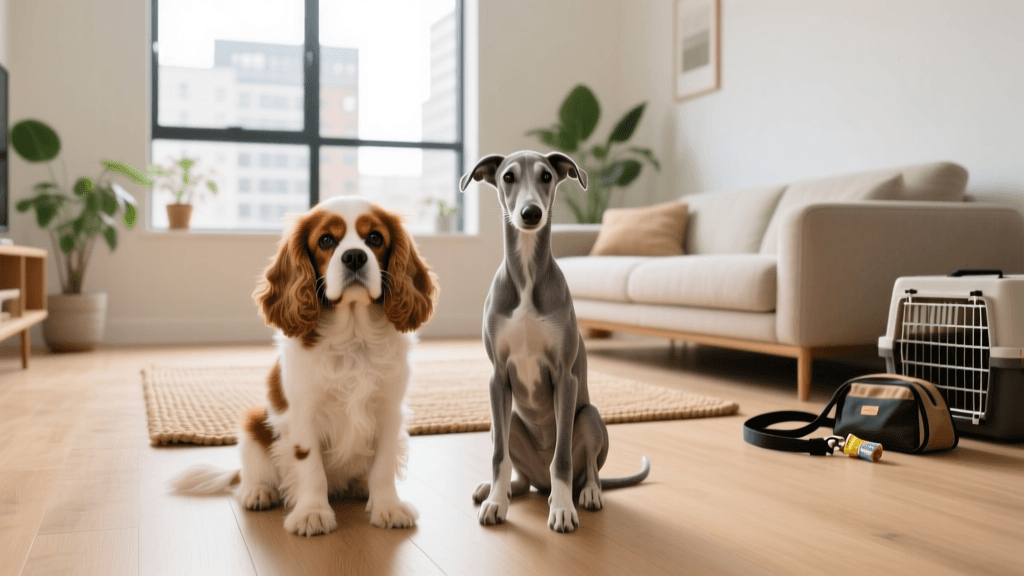
The Cavalier King Charles Spaniel is the quintessential apartment companion. Known for their deeply affectionate and gentle nature, Cavaliers are notably quiet dogs. They are far more likely to greet you with a wagging tail and a soft nuzzle than with a barrage of barks. During their first year, Cavaliers require moderate exercise—usually a couple of 20-minute walks and some indoor play. Their primary challenge in an apartment setting is their strong attachment to their owners, which can lead to separation anxiety if not properly managed with crate training and gradual desensitization to alone time during their early months.
2. Greyhound
It might seem counterintuitive to keep a racing dog in an apartment, but Greyhounds are famously known as '45-mph couch potatoes.' They are incredibly quiet, rarely barking, and spend up to 18 hours a day sleeping. A Greyhound puppy or young adolescent will need short, intense bursts of exercise in a secure, fenced-in dog park, but inside the apartment, they are remarkably docile. Because they have low body fat and thin coats, providing them with orthopedic bedding and cozy sweaters during the winter months is essential for their comfort in climate-controlled apartments.
3. Whippet
The Whippet is the Greyhound's smaller cousin, offering the same quiet, laid-back temperament in a more compact frame. Weighing between 25 and 40 pounds as adults, Whippets are highly adaptable to smaller square footage. They are sensitive, intelligent, and generally silent indoors. During their first year, Whippet puppies require early socialization to ensure their natural timidity does not develop into fear-based reactivity when encountering the loud noises and heavy foot traffic typical of apartment building lobbies and elevators.
High-Rise Potty Training Strategies
Potty training an apartment puppy in 2026 requires strategy and patience. The traditional method of simply letting the dog out into a fenced yard does not apply when you are on the 14th floor. Waiting for an elevator while your puppy is doing the 'potty dance' can lead to inevitable accidents in the hallway. According to the ASPCA's house training guidelines, establishing a strict, predictable routine is the foundation of success.
- Implement a Balcony Potty Station: If you have a private balcony, invest in a hydroponic grass delivery service like Fresh Patch or DoggieLawn. These provide real grass that naturally absorbs odors and gives your puppy a clear, designated substrate to use when middle-of-the-night emergencies strike.
- The 'Carry' Method: For the first 12 weeks, carry your puppy through the building's common areas and out the front door. This prevents them from learning that the lobby or the elevator are acceptable places to relieve themselves and minimizes exposure to unvaccinated public surfaces before their parvovirus shots are complete.
- Smart Potty Bells: Hang a set of potty bells on your apartment door handle. Train your puppy to ring them by luring their nose to the bell with a treat before every scheduled outdoor trip. This empowers them to communicate their needs without barking.
Managing Teething Without Noise Complaints
Between the ages of 12 weeks and 6 months, your puppy will go through an intense teething phase. While a backyard dog might chew on rocks or wooden fence posts, an apartment puppy will target your baseboards, furniture, and unfortunately, drop hard items onto uncarpeted floors. The sound of a hard nylon chew toy repeatedly hitting a hardwood floor at 2:00 AM is a fast track to a neighbor dispute.
As detailed by the AKC's puppy teething stages, providing appropriate outlets for chewing is non-negotiable. To keep the noise down, curate a 'quiet chew' basket. Fill it with natural rubber toys like the Kong Classic, which thud softly rather than clatter. You can also freeze a wet, twisted towel or a soft silicone teething ring to soothe their inflamed gums. Additionally, placing thick, sound-dampening area rugs in your puppy's primary play zones will significantly muffle the sound of dropped toys and scrambling paws, keeping the peace with the downstairs neighbors.
Socializing the Quiet Apartment Puppy
A common misconception is that a 'quiet' puppy is a 'well-adjusted' puppy. In reality, breeds like Whippets and Cavaliers can be naturally reserved. If they are not properly socialized during the critical window of 8 to 16 weeks, their quiet nature can morph into fearfulness, which may eventually trigger defensive barking or lunging when cornered in an elevator or narrow apartment hallway.
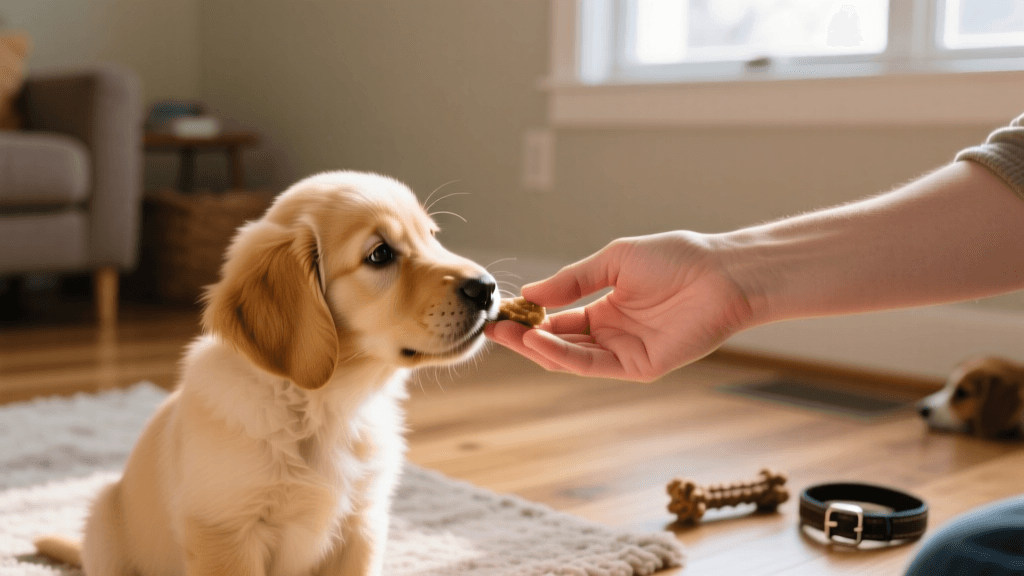
Following the AKC's socialization framework, you must proactively expose your puppy to the unique sights and sounds of apartment living. This includes the mechanical hum of the elevator, the sudden clanking of garbage chutes, the presence of uniformed delivery workers, and the proximity of strangers in tight spaces. Carry high-value treats like boiled chicken or freeze-dried liver. Every time your puppy encounters a strange apartment noise or a neighbor in the hall, offer a treat to build a positive emotional association. Confidence building is the key to maintaining a truly quiet, relaxed dog in a busy urban environment.
First-Year Apartment Puppy Care Comparison
Understanding the specific traits of your chosen breed will help you tailor your first-year care plan. Below is a comparison chart to help you anticipate your puppy's needs in an apartment setting.
| Breed | Expected Adult Weight | Barking Level | Energy Level | Apartment Potty Training Ease |
|---|---|---|---|---|
| Cavalier King Charles Spaniel | 13 - 18 lbs | Low | Moderate | High (Eager to please) |
| Greyhound | 60 - 70 lbs | Very Low | Low (Sprinters) | Moderate (Requires outdoor space) |
| Whippet | 25 - 40 lbs | Very Low | Moderate | High (Adaptable) |
Final Thoughts on Urban Puppy Rearing
Raising a puppy in an apartment in 2026 is a highly rewarding experience when you set the right foundation. By selecting a breed genetically predisposed to quiet living, utilizing modern balcony potty solutions, managing teething with sound-dampening strategies, and prioritizing confident socialization, you can ensure your puppy grows into a polite, happy urban citizen. Remember that the first year is all about building routines and trust. With patience and proactive management, your apartment will become a peaceful sanctuary for both you and your new best friend.
priya-sutaria
All our authors care for dogs every day — read more of their work on the authors page.