Canine Scent Imprinting & Hand-Feeding Puppy Bonding 2026
Discover how canine scent imprinting and hand-feeding protocols build deep trust with your puppy in 2026. Science-backed bonding routines for new owners.
The Evolution of Puppy Bonding in 2026
Bringing a new puppy home in 2026 is an exciting journey filled with wagging tails, clumsy paws, and the profound responsibility of shaping a lifelong companion. While the market is flooded with automated feeders, AI-driven training collars, and smart pet cameras, veterinary behaviorists universally agree that technology cannot replace the foundational biological bond between a human and their dog. True relationship building relies on cooperative engagement, mutual trust, and fulfilling your puppy's innate biological drives. Two of the most powerful, science-backed methods for forging an unbreakable bond during the critical first year of life are strategic hand-feeding and foundational canine scent imprinting.
This comprehensive guide explores the neuroscience behind these techniques, provides a detailed 14-day bonding blueprint, and offers troubleshooting advice for common behavioral hurdles. By integrating these protocols into your daily routine, you will transform from a mere caregiver into your puppy's most trusted partner and favorite source of enrichment.
The Neuroscience of the Human-Canine Connection
Before diving into the practical steps, it is essential to understand why these specific activities work. The bond between humans and dogs is mediated by the oxytocin loop—the same hormone responsible for maternal bonding in mammals. When you and your puppy engage in cooperative tasks, make gentle eye contact, and share positive experiences, both of your brains release oxytocin, reinforcing feelings of trust and affection.
According to the American Kennel Club's puppy socialization guidelines, the critical socialization window occurs between 3 and 14 weeks of age. During this period, a puppy's brain is highly plastic, and positive interactions literally wire their neural pathways to associate humans with safety, fun, and resources. Furthermore, the Humane Society's Puppy Primer emphasizes that interactive play and training during this window are far more effective for bonding than passive coexistence. Hand-feeding and scent work directly tap into these developmental milestones, ensuring your puppy views you as the ultimate provider of both physical nourishment and mental stimulation.
Protocol 1: Strategic Hand-Feeding for Engagement
One of the most common mistakes new owners make in 2026 is relying entirely on automated smart bowls or leaving food out for free-feeding. While convenient, these methods miss a massive opportunity for relationship building. Ditching the food bowl and transitioning to strategic hand-feeding is a cornerstone of modern, force-free puppy training.
The "Ditch the Bowl" Method
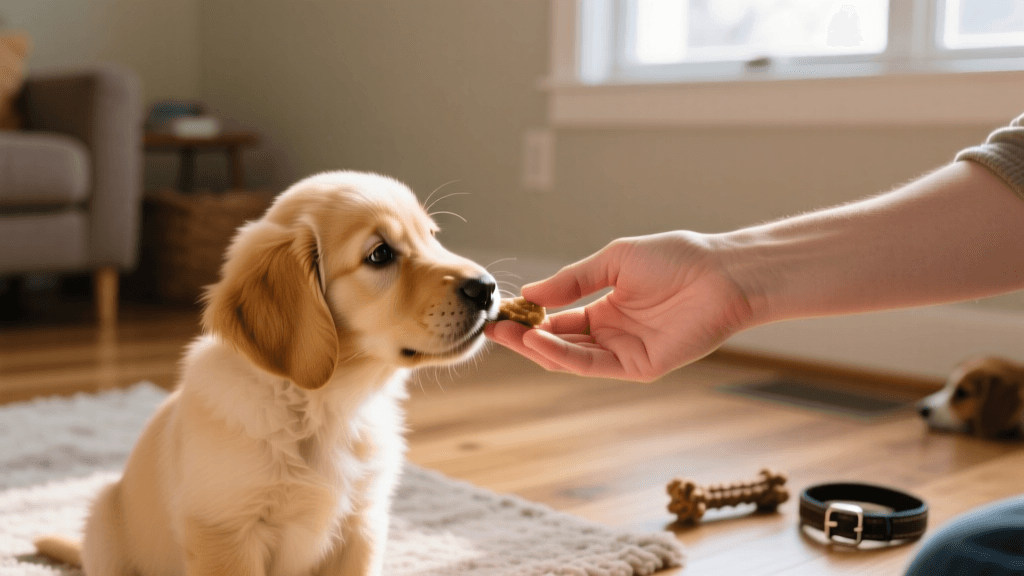
Hand-feeding teaches your puppy that all good things come from you. It builds focus, reduces food guarding, and establishes a baseline of engagement. To implement this, measure out your puppy's daily caloric requirement of a high-quality, WSAVA-compliant puppy diet (such as Purina Pro Plan Puppy or Royal Canin Puppy). Instead of placing it in a bowl, put the kibble in a treat pouch worn around your waist.
- Capturing Calmness: Throughout the day, whenever your puppy voluntarily offers a calm behavior—such as sitting quietly, lying on their bed, or making soft eye contact—mark the behavior with a gentle "yes" and deliver a few pieces of kibble directly to their mouth.
- Luring and Shaping: Use the kibble to lure your puppy into basic positions like sit, down, and spin. This builds a communication bridge between you and your dog.
- Value Hierarchy: Reserve 10% of their daily food allowance for high-value rewards. In 2026, single-ingredient freeze-dried raw toppers (like Stella & Chewy's or Primal) are highly recommended for recall training and high-distraction environments.
Protocol 2: Canine Scent Imprinting Foundations
Dogs experience the world primarily through their olfactory system. A puppy's nose contains up to 300 million scent receptors, and the part of their brain dedicated to analyzing odors is proportionally 40 times greater than ours. Engaging this sense is deeply satisfying for a puppy and builds immense confidence.
Canine scent imprinting, often associated with the AKC Scent Work program, is not just for competition; it is a profound bonding exercise. When a puppy learns to hunt for a specific scent and then returns to the handler to indicate the find, it creates a powerful feedback loop of teamwork and trust.
Setting Up Your First Scent Imprinting Session
You do not need expensive equipment to start scent imprinting. You can begin with "handler scent" or a safe, puppy-friendly herbal scent like dried valerian root or sweet birch hydrosol (avoiding concentrated essential oils, which can be toxic to young pups).
- Scent Association: Place a cotton swab with a tiny drop of sweet birch hydrosol inside a small, ventilated tin. Hold the tin in your hand and feed your puppy a high-value treat (like freeze-dried liver) every time they sniff the tin. Repeat this 10-15 times over a few days until the puppy visibly gets excited when they see the tin.
- The "Find It" Game: Place the scented tin on the floor in plain sight. Say "Find it!" and reward heavily when they investigate. Gradually move the tin behind a table leg, under a low stool, or into another room.
- The Return to Handler: Once the puppy finds the scent, encourage them to look back at you. Mark and reward the eye contact. This teaches the puppy that finding the scent is only half the game; sharing the discovery with you is the ultimate reward.
The 14-Day Bonding Blueprint
To help you integrate these techniques into your daily life, follow this structured 14-day blueprint. This schedule assumes a 12-week-old puppy and balances mental enrichment with necessary physical rest.
| Day | Morning Routine (15 Mins) | Afternoon Enrichment (15 Mins) | Evening Wind-Down (10 Mins) |
|---|---|---|---|
| Days 1-3 | Hand-feed breakfast for basic "sit" and eye contact. | Snuffle mat exploration with 20% of daily kibble. | Hand-feed dinner while practicing gentle handling and collar grabs. |
| Days 4-7 | Hand-feed breakfast during a short, low-distraction leash walk. | Introduction to the scented tin (handler holds tin, feeds treats). | "Capturing Calmness" kibble drops while puppy rests on their mat. |
| Days 8-10 | Scent tin placed in plain sight; reward for sniffing and looking up. | Hand-feed lunch in a new room of the house to build environmental confidence. | Gentle massage combined with hand-fed high-value chew (e.g., bully stick). |
| Days 11-14 | Scent tin hidden under a low object; reward for find and return to handler. | Hand-feed during a "follow the leader" game in the backyard. | Review all basic cues using high-value freeze-dried treats; end on a success. |
Troubleshooting Common Bonding Hurdles
Every puppy is an individual, and you may encounter challenges when implementing these protocols. Here is how to navigate the most common issues in 2026.
The Shy or Fearful Puppy
If your puppy is hesitant to take food from your hand or retreats when you introduce the scent tin, you are likely moving too fast or applying too much social pressure. Do not force interaction. Sit on the floor sideways, toss high-value treats (like boiled chicken or commercial puppy training pastes) near the puppy, and let them approach on their own terms. For scent work, leave the scented tin on the floor and toss treats away from it, allowing the puppy to investigate the scent without the pressure of your direct gaze.
The Overly Mouthy Puppy
Puppies explore the world with their mouths, and hand-feeding can sometimes result in nipped fingers. If your puppy's teeth make contact with your skin, immediately withdraw your hand and stand up, turning your back for three seconds. This "time-out" from social interaction teaches bite inhibition. To prevent this, offer the kibble on a flat, open palm, or use a wooden spoon smeared with a little puppy-safe peanut butter or plain Greek yogurt for initial training sessions until their bite inhibition improves.
Nutrition and Treat Selection for 2026
When utilizing food as a bonding tool, the quality and size of the rewards matter immensely. Modern veterinary nutritionists recommend that training treats should not exceed 10% of a puppy's daily caloric intake to prevent rapid growth spurts, which can lead to orthopedic issues in large breeds. Look for single-ingredient, high-protein treats that are easily digestible. In 2026, many top-tier brands offer "training-sized" kibble specifically designed for small mouths and quick consumption, ensuring your puppy doesn't spend five minutes chewing a single reward, which breaks the flow of the bonding session.
Final Thoughts on Lifelong Relationship Building
Bonding with your puppy is not a one-time event or a box to check off during the first month. It is a continuous, evolving dialogue between two species. By replacing passive feeding with strategic hand-feeding and tapping into your dog's natural olfactory genius through scent imprinting, you are laying a neurological and emotional foundation that will last a lifetime. As your puppy grows into adolescence and adulthood, these early investments will manifest as a dog that looks to you for guidance, finds comfort in your presence, and views working with you as the most rewarding game in the world. Embrace the process, stay patient, and enjoy the profound journey of building trust with your new best friend in 2026 and beyond.
jonas-cole
All our authors care for dogs every day — read more of their work on the authors page.