Quiet Apartment Puppy Care 2026: Cavaliers & Greyhounds
Discover 2026 strategies for raising quiet Cavalier and Greyhound puppies in apartments, covering high-rise potty training, teething, and socialization.
The Rise of Quiet Apartment Puppies in 2026
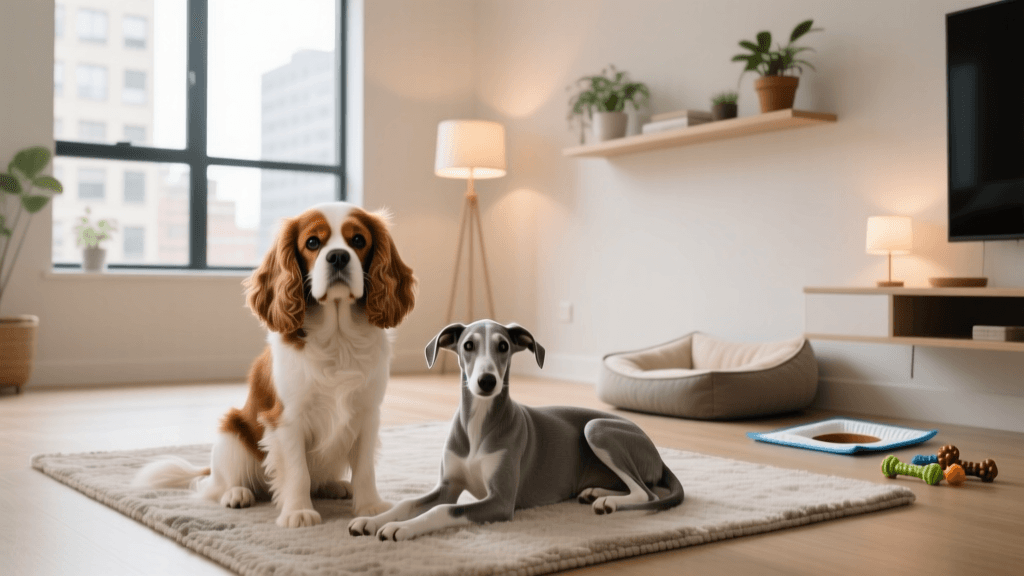
Living in an apartment in 2026 means navigating shared walls, compact layouts, and strict strata or HOA noise regulations. When choosing a puppy, opting for a quiet breed is not just a preference; it is a necessity for harmonious high-rise living. While many small dogs are notorious for being vocal, breeds like the Cavalier King Charles Spaniel and the Greyhound offer a surprisingly serene alternative. This comprehensive guide explores the first-year puppy care specifics for these two remarkably quiet, apartment-friendly breeds, ensuring your new companion thrives in a multi-family dwelling without triggering noise complaints.
Why Cavaliers and Greyhounds Are the Ultimate Quiet Companions
The Cavalier King Charles Spaniel is widely celebrated for its gentle, affectionate demeanor. Unlike terriers or toy spitz breeds that tend to bark at every hallway footstep, Cavaliers are generally placid and eager to please. According to the American Kennel Club, their adaptable nature makes them excellent city dwellers who prefer lounging on a sofa over sounding the alarm at passing neighbors.
On the other end of the spectrum is the Greyhound. Often misunderstood as high-energy athletes requiring vast acreage, Greyhounds are famously dubbed '45-mph couch potatoes.' They sleep up to 18 hours a day and rarely bark, making them exceptional, albeit larger, apartment residents. The AKC's Greyhound breed profile highlights their calm, independent indoor temperament, which perfectly suits the quiet demands of apartment living. Both breeds share a common trait during their first year: a strong desire to be near their owners without creating a disruptive auditory footprint.
High-Rise Potty Training: Overcoming the Elevator Hurdle
Potty training a puppy on the 14th floor presents unique logistical challenges. The 'elevator hurdle' is a real phenomenon in 2026 apartment puppy care. By the time you wait for the elevator, ride down, and cross the lobby, a young puppy's bladder control may fail. To combat this, modern apartment dwellers are turning to hydroponic indoor grass delivery services. Brands like DoggieLawn and Fresh Patch have updated their 2026 subscription models to include odor-neutralizing, biodegradable grass trays that fit seamlessly onto apartment balconies or designated indoor potty corners.
According to the ASPCA's house-training guidelines, establishing a strict, consistent routine is paramount. For high-rise puppies, this means carrying your Cavalier or leashing your Greyhound and taking the stairs (if safe and accessible) for the first few months to eliminate transit delays. If stairs are not an option, utilize the balcony grass patch for emergency relief while reserving outdoor walks for exercise and primary elimination. Keep a high-value treat pouch by the door to reward immediate success, reinforcing the behavior before the puppy gets distracted by the bustling lobby environment.
Teething, Chewing, and Noise Mitigation
Puppy teething peaks between 12 and 16 weeks of age. During this phase, puppies chew to alleviate gum discomfort, which can lead to whining, crying, and destructive behavior that travels through shared walls. To maintain a quiet environment, proactive enrichment is essential. In 2026, veterinary behaviorists heavily recommend frozen enrichment toys to soothe inflamed puppy gums while keeping them occupied for hours.
Fill a classic rubber KONG with a mixture of plain Greek yogurt, pureed pumpkin, and kibble, then freeze it solid. The cold temperature numbs the gums, and the licking action releases endorphins that naturally calm the puppy. Avoid hard nylon bones or real antlers, as these can fracture developing puppy teeth and cause sudden yelps of pain that echo through apartment corridors. Additionally, invest in sound-dampening puppy playpens. Modern 2026 playpens feature acoustic-absorbing base mats that muffle the sound of dropped toys and puppy nails tapping on hardwood floors, ensuring your downstairs neighbors remain undisturbed.
Socializing in Shared Spaces
Socializing an apartment puppy requires intentional exposure to the unique stimuli of multi-family housing. Hallways are narrow, elevators are confined, and sudden noises like slamming doors or dropping objects are constant. Between 8 and 14 weeks of age, your puppy's critical socialization window is wide open.
Carry your Cavalier through the building's common areas to introduce them to the hum of HVAC systems, the ding of elevator arrivals, and the sight of neighbors in winter coats or carrying groceries. For the Greyhound puppy, whose prey drive might be triggered by small, fast-moving animals (or even running children in the courtyard), controlled, on-leash introductions are vital. Teach your puppy the 'look at me' command using high-value treats like freeze-dried liver. Whenever a neighbor approaches or a door slams, reward your puppy for maintaining eye contact with you rather than reacting. This builds a foundation of neutrality, ensuring your dog remains a quiet, unbothered presence in shared spaces.
Navigating First-Year Veterinary Care in the City
Urban environments in 2026 present specific parasite risks, even for high-rise puppies. Leptospirosis, transmitted by urban wildlife like rats, is a growing concern in metropolitan areas. Ensure your puppy's vaccination protocol includes the Lepto vaccine, typically administered around 12 and 16 weeks. Furthermore, apartment dogs sharing communal courtyards or relief areas are exposed to high foot traffic, increasing the risk of intestinal parasites and fleas. Monthly oral preventatives like Simparica Trio remain the gold standard in 2026 for comprehensive protection against heartworm, ticks, fleas, and roundworms. Because Cavaliers are predisposed to mitral valve disease and Greyhounds to osteosarcoma, establishing a baseline health profile with a board-certified urban veterinarian during the first six months is a critical investment in their long-term longevity.
First-Year Milestones and Feeding Chart
Proper nutrition and milestone tracking are vital for apartment puppies, as excess weight can exacerbate joint issues in confined spaces where running room is limited. Below is a comparative guide for the first year of care for these two distinct breeds.
| Age / Milestone | Cavalier King Charles Spaniel | Greyhound |
|---|---|---|
| 8-12 Weeks | Feed 1/2 cup high-quality puppy food 3x daily. Begin balcony potty training. | Feed 1.5 - 2 cups large-breed puppy food 3x daily. Introduce soft crate training. |
| 3-4 Months | Teething begins. Provide frozen KONGs. Start elevator desensitization. | Rapid growth phase. Monitor joints. Begin leash walking in quiet courtyards. |
| 5-6 Months | Transition to 2 meals daily. Spay/neuter consultation. Basic obedience classes. | Transition to 2 meals daily. Spay/neuter consultation. Prey drive management. |
| 7-9 Months | Adolescent fear periods may occur. Reinforce quiet hallway greetings. | Adolescent testing of boundaries. Maintain strict indoor 'settle' routines. |
| 10-12 Months | Transition to adult small-breed food. Finalize urban socialization. | Transition to adult large-breed food. Establish long-term couch routines. |
Conclusion
Raising a puppy in an apartment does not mean you must sacrifice peace and quiet. By selecting naturally serene breeds like the Cavalier King Charles Spaniel or the Greyhound, and by implementing modern 2026 strategies for high-rise potty training, noise-mitigating teething solutions, and targeted urban socialization, you can enjoy the profound bond of puppy ownership while remaining a considerate neighbor. The first year requires patience, consistency, and a proactive approach to environmental management, but the reward is a lifetime of quiet, loving companionship in your urban sanctuary.
marcus-aldridge
All our authors care for dogs every day — read more of their work on the authors page.