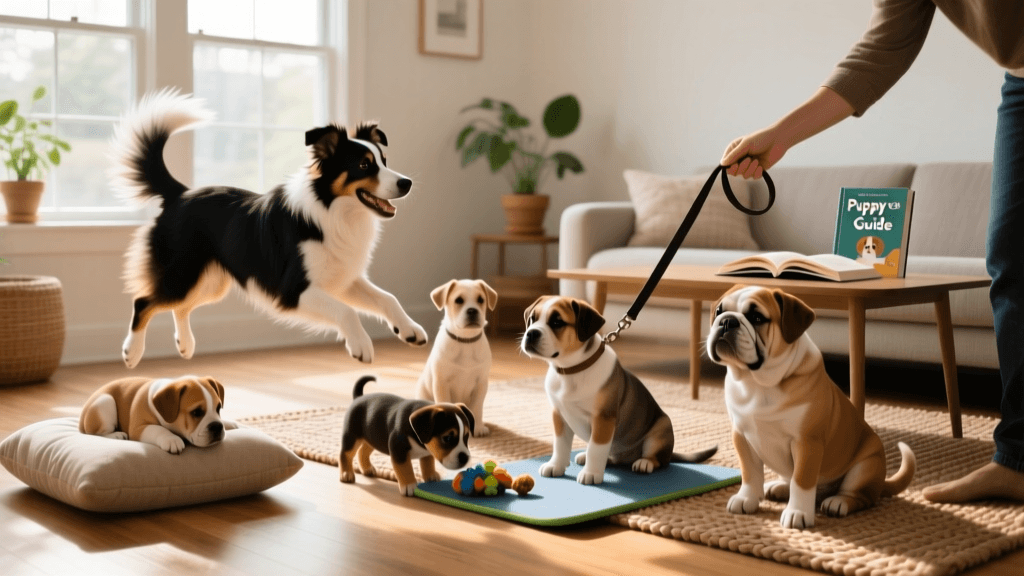
Expert Q&A: Puppy Socialization and Bite Inhibition Tips
Veterinarians and dog trainers answer top questions on puppy socialization and bite inhibition. Learn safe, actionable steps for the 8 to 16 week window.

The Critical 8 to 16-Week Window: Balancing Health and Behavior
The first few months of a puppy's life represent a narrow, irreplaceable developmental window. Between 8 and 16 weeks of age, a puppy's brain is uniquely primed to absorb new experiences, sounds, surfaces, and social interactions. However, this exact timeframe also overlaps with a period of high vulnerability to infectious diseases like canine parvovirus and distemper. To help new owners navigate this stressful balancing act, Paws-Tales sat down with a board-certified veterinarian and a certified professional dog trainer to answer the most pressing questions about early puppy socialization and bite inhibition.
Veterinarian Q&A: Navigating Disease Risks and Safe Socialization
Q: My breeder told me to keep my puppy inside and away from other dogs until they finish their parvovirus vaccines at 16 weeks. But won't they miss the socialization window if I do that?
Dr. Aris Thorne, DVM: This is one of the most common and dangerous misconceptions in puppy care. While it is true that puppies are susceptible to parvovirus until their initial vaccine series is complete (usually around 16 weeks), isolating them completely poses a massive behavioral risk. According to the American Kennel Club, the primary socialization window closes around 12 to 16 weeks. Puppies that are not exposed to the outside world during this time are significantly more likely to develop lifelong fear, anxiety, and aggression issues. In fact, behavioral problems are the number one cause of euthanasia in dogs under three years of age, far outpacing infectious diseases.
Q: How do I socialize my puppy safely without risking their health?
Dr. Thorne: The key is controlled, low-risk exposure. Avoid high-traffic, uncontrolled areas like public dog parks, pet store floors, or rest stops where unknown, potentially unvaccinated dogs have defecated. Instead, focus on the following safe activities:
- Puppy Preschools: Enroll in classes that require proof of at least one set of vaccines and a deworming. These environments are sanitized and supervised.
- Carrying and Stroller Walks: Carry your puppy in a sling or use a pet stroller to walk through busy shopping centers, near construction sites, or past schools. This exposes them to loud noises, diverse humans, and strange objects without their paws touching contaminated ground.
- Private Playdates: Invite friends over who have adult dogs that you know are fully vaccinated and have gentle, patient temperaments.
- Surface Training: Bring a clean mat to a park bench and let your puppy watch the world go by while practicing basic handling and treat-feeding.
Dog Trainer Q&A: Taming the Puppy Land Shark
Q: My 10-week-old puppy bites my hands, ankles, and clothes relentlessly. Is this a sign of aggression, and how do I stop it?
Maya Lin, CPDT-KA: First, take a deep breath. Your puppy is not aggressive; they are a baby exploring the world with their mouth. The ASPCA notes that mouthing and bite inhibition practice are normal, vital developmental stages. Puppies do not have hands, so they use their teeth to investigate textures, initiate play, and relieve the discomfort of incoming adult teeth. Our goal is not to stop them from using their mouth entirely, but to teach them 'bite inhibition'—the ability to control the force of their jaw so that if they ever do mouth a human in adulthood, it causes no damage.
Q: What is the exact protocol for stopping painful puppy bites?
Maya Lin: I recommend a three-step redirection protocol that mimics how littermates teach each other boundaries. Consistency from every family member is mandatory.
- The 'Ouch' Feedback: When the puppy's teeth graze your skin, immediately let out a high-pitched, genuine 'Ouch!' or yelp. Stand up, cross your arms, and look away for exactly 5 seconds. This mimics a sibling who stops playing when hurt.
- The Redirection: After the 5-second pause, re-engage the puppy by offering an appropriate chew toy, such as a frozen KONG or a braided fleece tug toy. Praise them enthusiastically when their teeth make contact with the toy instead of your skin.
- The Overstimulation Time-Out: If the puppy ignores the 'Ouch' and continues to bite frantically, they are likely overstimulated or overtired. Puppies need 18 to 20 hours of sleep a day. Calmly pick them up, place them in their crate or a quiet playpen with a soothing chew, and let them nap. This is not a punishment; it is a forced nap to help their nervous system reset.
Expert Tip: Never use physical punishment, hold the puppy's mouth shut, or use bitter apple sprays on your hands. These methods create fear and can lead to defensive aggression, completely destroying the trust you are trying to build during this critical bonding period.
Structured Socialization and Teething Timeline
Use this chart to track your puppy's developmental milestones, safe activities, and teething progression during their first four months.
| Age Range | Developmental Focus | Safe Socialization Activities | Teething & Bite Management |
|---|---|---|---|
| 8 to 10 Weeks | Fear Period 1; Littermate separation | Carrying in public; meeting gentle, vaccinated adult dogs; household noises | Soft teething rings; frozen wet washcloths; gentle handling exercises |
| 10 to 12 Weeks | Curiosity peaks; bite inhibition learning | Puppy preschool classes; short car rides; watching traffic from a safe distance | Redirect biting to plush toys; introduce puzzle feeders to tire out the brain |
| 12 to 14 Weeks | Testing boundaries; second fear period may start | Walking on different surfaces (grass, gravel, grates); meeting people in hats/uniforms | Begin introducing edible chews (under supervision); rotate toys to maintain interest |
| 14 to 16 Weeks | Adult teeth begin to erupt; independence grows | Outdoor cafe visits (on a mat); brief, supervised play with vaccinated peers | Offer frozen carrots and durable rubber toys to soothe inflamed gums |
Recommended Gear and Estimated Costs
Investing in the right tools early on will save your furniture, your hands, and your sanity. Here are the specific products our experts recommend for the 8 to 16-week window:
- KONG Classic Puppy Toy (Size Small/Medium) - $12 to $15: Made from softer, puppy-specific rubber. Stuff it with plain Greek yogurt and pumpkin puree, then freeze it overnight. The cold numbs teething gums, and the licking action releases endorphins that calm an overstimulated puppy.
- SmartPetLove Snuggle Puppy - $35 to $40: Features a physical heartbeat simulator and a heat pack. This is invaluable for the first two weeks home, mimicking the warmth and pulse of littermates to drastically reduce nighttime crying and separation anxiety.
- Virbac C.E.T. Enzymatic Dog Toothpaste (Poultry Flavor) - $10 to $12: Start dental care early. Use your finger to gently rub a pea-sized amount along the puppy's gums for 10 seconds a day. Do not use human toothpaste, as ingredients like xylitol are highly toxic to dogs.
- Regalo Easy Step Walk-Through Baby Gate - $30 to $40: Essential for creating 'puppy-proof' zones and managing the environment. Use gates to block off stairs or rooms with electrical cords, and to enforce the 5-second time-outs when bite inhibition training is in progress.
Final Thoughts on the First Year
Raising a puppy is an exercise in patience, consistency, and proactive management. The Humane Society emphasizes that positive, early experiences build a resilient, confident adult dog. By prioritizing safe socialization and teaching bite inhibition with empathy rather than punishment, you are laying the foundation for a lifetime of trust and companionship. Remember that setbacks are normal; if you feel overwhelmed, consult a certified force-free trainer to help you navigate the unique quirks of your growing puppy.
tom-renshaw
All our authors care for dogs every day — read more of their work on the authors page.